Last year, UK homeowners spent £2.6 billion fixing botched plumbing by rogue traders, with 23% falling victim to unqualified work. The average repair cost? A staggering £426 per incident. Many assume the cheapest plumber is adequate without verifying credentials, but this misconception leads to contaminated water supplies, dangerous leaks, and legal headaches. Accreditation isn't just a badge, it's your protection against costly disasters. This guide explains why plumbing accreditation matters, what it guarantees, and how to verify credentials before hiring anyone to touch your pipes.
Table of Contents
- What plumbing accreditation means for UK homeowners
- How accreditation protects homeowners from risks and costs
- Verifying plumber accreditation and choosing the right professional
- Benefits of approved plumber schemes and what they cover
- Find trusted accredited plumbers near you today
Key takeaways
| Point | Details |
|---|---|
| Accredited plumbers meet strict standards | They hold recognised qualifications like NVQ Level 2 and Water Fittings Regulations certification, ensuring legal compliance and technical competence. |
| Reduces risk of botched jobs | Using approved plumbers protects you from contamination, leaks, and dangerous installations that cost thousands to rectify. |
| Insurance protection included | Accredited professionals carry minimum £2 million public liability insurance, covering your property if something goes wrong. |
| Verify credentials before hiring | Always confirm accreditation ID with the official scheme to avoid rogue traders masquerading as qualified professionals. |
| Cheapest isn't always best | Prioritising price over credentials often leads to unsafe work, legal penalties, and repair bills far exceeding initial savings. |
What plumbing accreditation means for UK homeowners
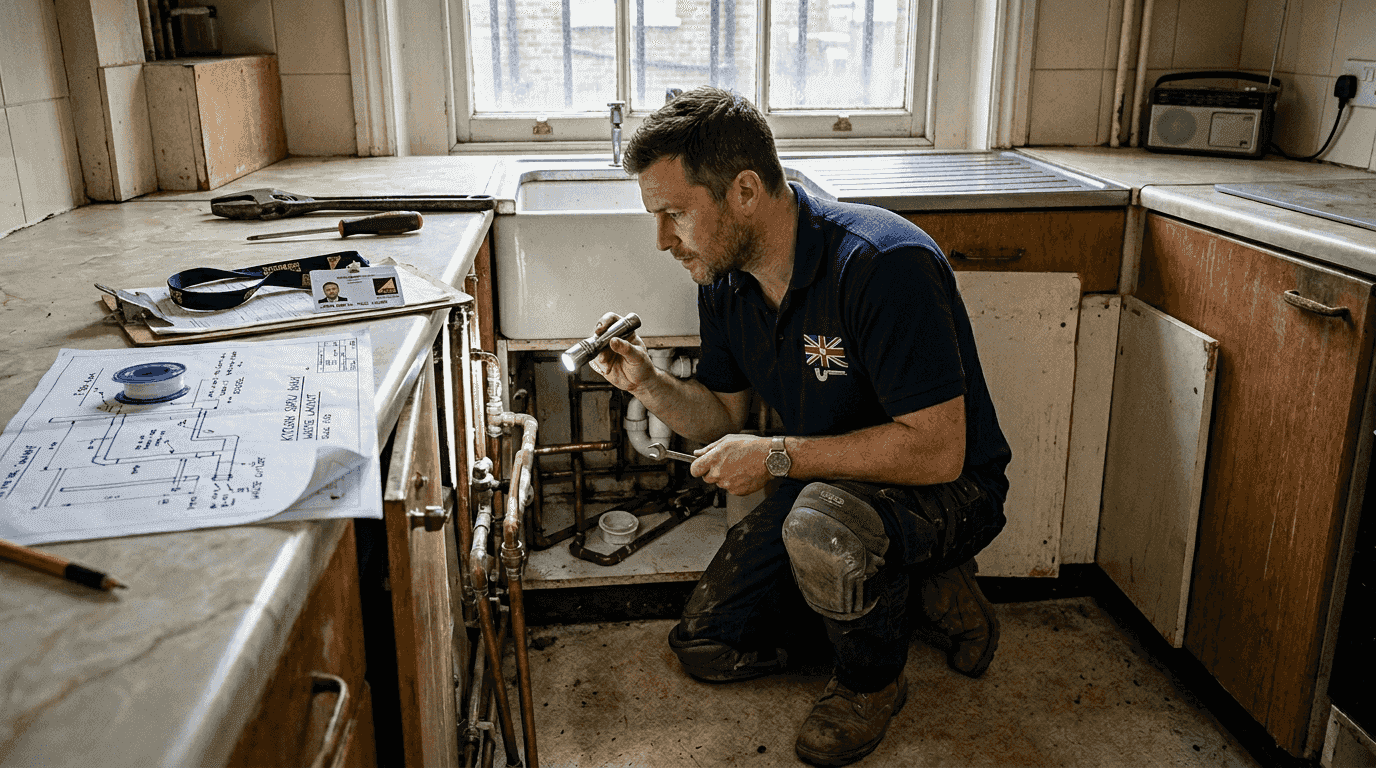
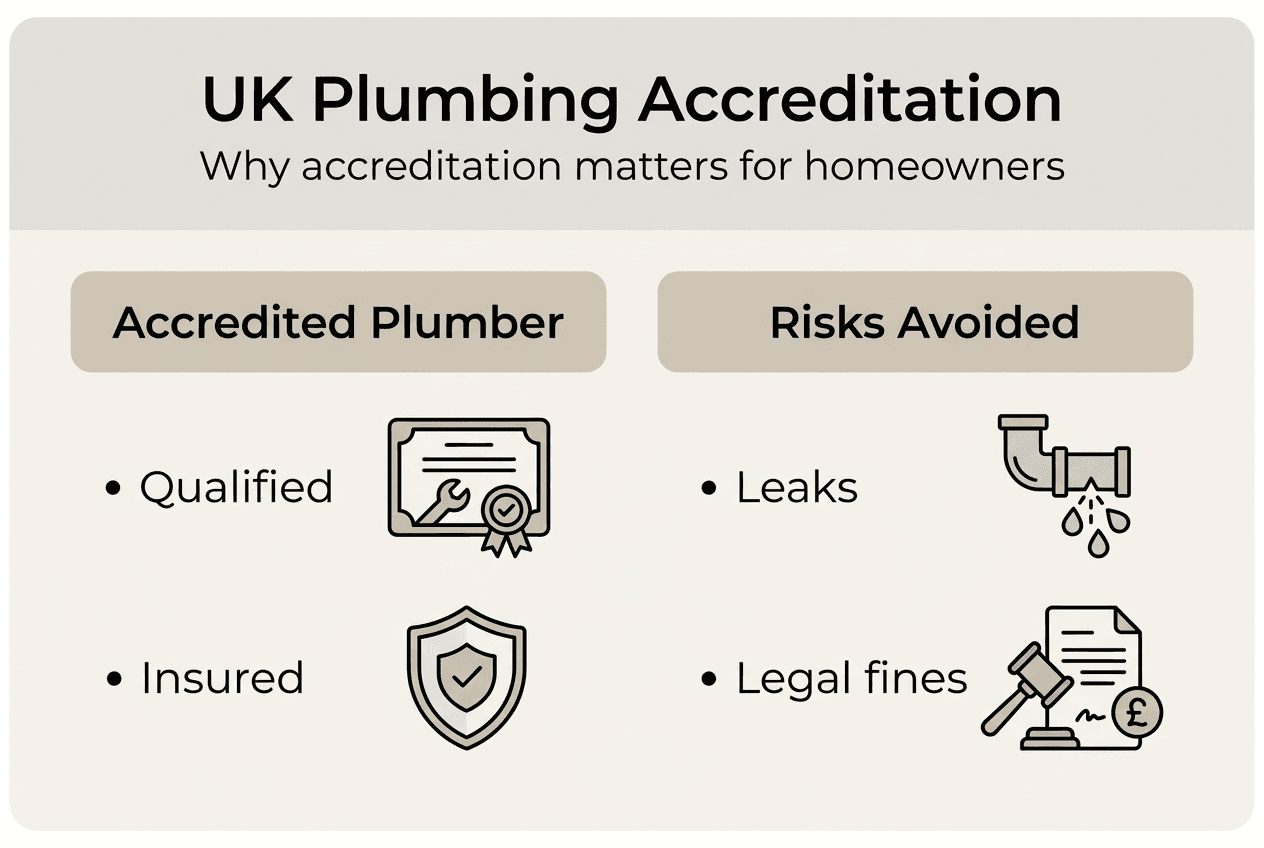
Plumbing accreditation in the UK isn't optional paperwork. It's a guarantee that the person working on your water systems has met rigorous technical and legal standards. Accredited plumbers hold NVQ Level 2 and a Water Fittings Regulations qualification, proving they understand contamination prevention, pressure management, and safe installation practices. Without these credentials, a plumber cannot legally certify their own work or guarantee compliance with UK building regulations.
WaterSafe operates as the leading umbrella organisation, vetting and auditing accredited plumbers across multiple recognised schemes. These include WIAPS, APHC, CIPHE, and SNIPEF, each maintaining strict codes of conduct and regular competency assessments. When you hire a WaterSafe-approved plumber, you're accessing professionals who've passed independent audits and maintain ongoing training. This system ensures consistent quality across the industry, unlike unregulated tradespeople who may lack basic safety knowledge.
Accreditation also means legal compliance. UK water regulations require specific qualifications for anyone installing, modifying, or repairing water fittings. Non-compliant work can result in contaminated supplies, backflow issues, and potential prosecution. Accredited plumbers understand these regulations intimately, protecting both your property and public health. They know which materials are approved, how to prevent cross-connections, and when to notify water suppliers about significant works.
The qualification process is demanding. Candidates must complete theoretical assessments, practical examinations, and demonstrate real-world competency before certification. Many also pursue additional specialisations in areas like unvented hot water systems or water treatment. This depth of training separates qualified professionals from casual handymen who've learned through trial and error on unsuspecting customers' properties.
Pro Tip: Before hiring any plumber, request their accreditation ID and verify it directly with the scheme. WaterSafe's online directory lets you confirm membership in seconds, ensuring you're dealing with a genuinely qualified professional rather than someone who's simply printed a fake certificate.
For homeowners in specific areas like plumbing services in Avonmouth, choosing accredited professionals ensures local expertise combined with national standards. This geographical coverage means you can access qualified help quickly without compromising on credentials or safety.
How accreditation protects homeowners from risks and costs
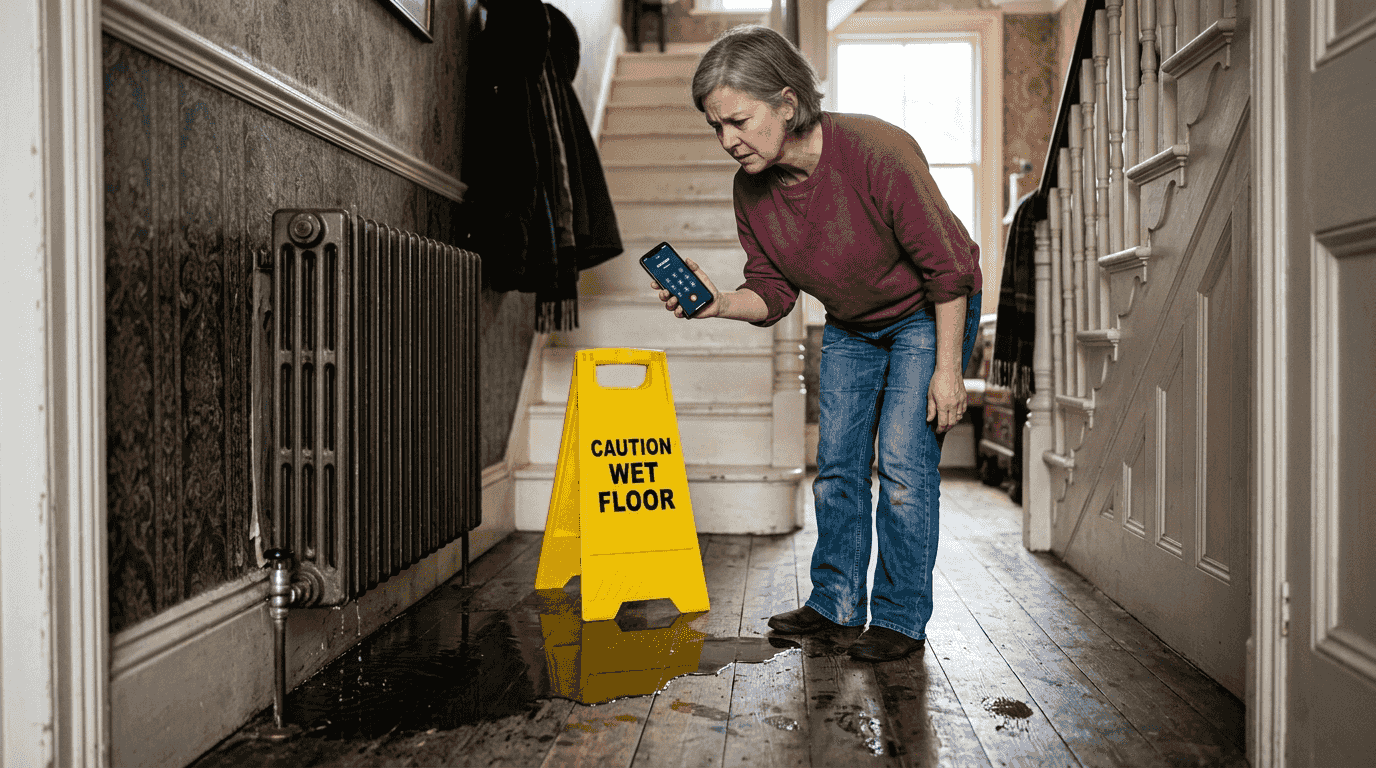
Hiring non-accredited plumbers exposes you to financial, health, and legal risks that far outweigh any initial savings. Rogue traders frequently cause leaks, install contaminated connections, and create pressure problems that damage your entire system. These failures don't just inconvenience you, they trigger cascading costs. A poorly fitted pipe joint might seem minor until it floods your kitchen at 3am, ruining flooring, cabinets, and electrics.
The financial impact is staggering. UK homeowners spent £2.6 billion repairing botched plumbing in the past year alone, with 23% experiencing failures from unqualified work. Individual repair costs average £426, but complex issues like contaminated water supplies or structural damage can exceed £5,000. These expenses come directly from your pocket because rogue traders rarely carry insurance or return to fix their mistakes.
Health hazards are equally serious. Non-accredited plumbers often create cross-connections between drinking water and contaminated sources, allowing sewage or chemicals to backflow into your taps. They might install unapproved materials that leach toxins, or fail to fit proper backflow prevention devices. These errors can sicken your family and trigger investigations by environmental health authorities, adding stress and potential legal costs to your situation.
Legal implications compound the problem. Rogue plumbers face fines up to £1,000 and imprisonment for unsafe work causing homeowner harm, but you're left dealing with the consequences. Your home insurance may refuse claims for work done by unqualified tradespeople, leaving you entirely liable. If contaminated water affects neighbours or public supplies, you could face prosecution for allowing non-compliant installations.
Accredited plumbers eliminate these risks through mandatory insurance coverage. Every qualified professional carries minimum £2 million public liability insurance, protecting your property if accidents occur during work. This coverage extends to consequential damage, meaning if a leak ruins your belongings, you're compensated. Compare this to rogue traders who disappear when problems arise, leaving you with no recourse.
| Common Issue | Typical Repair Cost | Prevention Through Accreditation |
|---|---|---|
| Contaminated water supply | £800 to £3,500 | Proper backflow prevention and approved materials |
| Major leak damage | £1,200 to £5,000 | Correct pipe sizing and pressure-tested joints |
| Boiler installation errors | £600 to £2,800 | Manufacturer-approved installation and certification |
| Illegal pipe modifications | £400 to £1,500 | Compliance with building regulations and notifications |
For residents seeking plumbing support in Hotwells, accredited professionals provide peace of mind that work meets legal standards and won't create future liabilities. This protection is invaluable when you consider the alternative: paying twice for the same job plus emergency repairs.
Verifying plumber accreditation and choosing the right professional
Confirming accreditation before hiring protects you from costly mistakes and ensures quality work. Follow these steps to verify credentials and select qualified professionals who'll deliver safe, compliant installations.
-
Ask for the plumber's accreditation ID and confirm it with the official scheme. Every accredited professional carries a unique identification number linked to their certification. Contact WaterSafe or the specific scheme directly, don't just accept a business card or website claim. Verify membership through official databases to confirm the plumber is currently registered and hasn't been suspended for misconduct.
-
Request and compare at least three detailed quotes to assess reasonable pricing and scope. Accreditation ensures competence but doesn't regulate costs, so prices vary based on complexity, materials, and location. Written quotes should itemise labour, parts, and any additional charges like parking or disposal fees. Be suspicious of quotes significantly below average, they often indicate shortcuts or hidden costs that emerge later.
-
Confirm the plumber holds required insurance covering your property and potential damage. Ask for proof of current public liability insurance with minimum £2 million coverage. Legitimate professionals provide this documentation immediately because it's a condition of accreditation. Without insurance, you're personally liable if the plumber damages your property or injures themselves on your premises.
-
Check online reviews and request references to assess reliability and customer satisfaction. Accreditation proves technical competence, but reviews reveal communication skills, punctuality, and problem-solving abilities. Look for patterns in feedback rather than isolated complaints, every business occasionally faces difficult situations. Contact recent customers directly to ask about their experience and whether they'd hire the plumber again.
Pro Tip: Never choose solely based on price. The cheapest quote often comes from unqualified traders cutting corners on materials, safety, or legal compliance. Prioritise credentials, insurance, and reputation to ensure value and avoid expensive repairs later. Saving £50 today isn't worth risking £2,000 in remedial work tomorrow.
When searching for a plumber in Lower Knowle, apply these verification steps consistently. Local accredited professionals combine geographical convenience with national standards, giving you rapid response times without compromising safety or compliance. This balance is crucial for emergencies where you need immediate help but can't afford to hire the first person who answers the phone.
Benefits of approved plumber schemes and what they cover
Recognised accreditation schemes provide structured protections that informal qualifications cannot match. WaterSafe operates as an umbrella organisation encompassing WIAPS, APHC, CIPHE, and SNIPEF, each maintaining rigorous vetting processes and regular audits. These schemes ensure members adhere to strict codes of conduct, complete ongoing training, and maintain insurance coverage. If disputes arise, schemes offer mediation and rectification policies that protect homeowners from abandonment or substandard work.
Approved plumbers gain significant operational advantages that benefit customers. They can bypass prior notifications to water suppliers for certain routine works, reducing project delays and administrative hassles. This exemption speeds up installations like tap replacements or minor pipe modifications that would otherwise require formal approvals. You get faster service without sacrificing compliance, because the plumber's accreditation guarantees work meets regulatory standards.
Scheme membership also provides consumer recourse if problems occur. Most accreditation bodies operate complaint procedures and guarantee schemes that require members to rectify defective work at no additional cost. If a plumber refuses or cannot fix issues, the scheme may arrange alternative contractors or provide compensation. This safety net is absent when hiring unregulated tradespeople who simply ignore complaints and move on to the next unsuspecting customer.
However, accreditation has limits you must understand. Gas plumbing requires separate Gas Safe registration, which WaterSafe schemes don't cover. If your project involves gas appliances, boilers, or gas pipework, verify the plumber holds current Gas Safe credentials in addition to water accreditation. Mixing these requirements creates dangerous situations where partially qualified tradespeople attempt work beyond their competence, risking carbon monoxide leaks or explosions.
| Scheme | Primary Focus | Key Benefits | Insurance Requirement | | --- | --- | --- | | WaterSafe (umbrella) | Water fitting compliance | Vetted members across multiple schemes, audit oversight | Minimum £2 million public liability | | WIAPS | Water industry standards | Direct water company recognition, notification exemptions | Minimum £2 million public liability | | APHC | Plumbing and heating | Comprehensive technical support, dispute resolution | Minimum £2 million public liability | | CIPHE | Professional plumbers | Chartered status, advanced qualifications | Minimum £2 million public liability | | Gas Safe | Gas appliance safety | Legal requirement for gas work, separate from water schemes | Minimum £2 million public liability |
Understanding these distinctions helps you hire appropriately qualified professionals for specific tasks. A WaterSafe plumber handles your water systems expertly but cannot legally touch your gas boiler. Similarly, a Gas Safe engineer may lack water fitting qualifications for complex pipework modifications. Always verify credentials match the work required.
For homeowners in areas like plumber in Lockleaze, choosing scheme-approved professionals ensures access to these protections and benefits. Local accredited plumbers combine neighbourhood familiarity with national standards, providing responsive service backed by robust consumer safeguards that informal recommendations cannot guarantee.
Find trusted accredited plumbers near you today
Now that you understand why accreditation matters and how to verify credentials, take the next step with confidence. 777 Plumber connects you with a network of fully accredited local professionals covering multiple UK areas, all meeting recognised accreditation standards and carrying comprehensive public liability insurance. Our plumbers undergo rigorous vetting to ensure they deliver the quality, compliance, and reliability you deserve.
Whether you need emergency repairs, routine maintenance, or major installations, our accredited team provides prompt, professional service without the risks associated with unqualified traders. We prioritise customer satisfaction through transparent pricing, no hidden fees, and work that meets all UK regulatory requirements. You can easily book expert plumbing services online, scheduling appointments at times that suit your routine rather than disrupting your entire day.
Our coverage extends across Bristol and surrounding areas, including specialists like our plumber in Golden Hill and plumber in Downend. This geographical reach means you access qualified help quickly, combining local knowledge with national standards for optimal results. Book a plumber online today and experience the peace of mind that comes from working with properly accredited professionals who stand behind their work.
FAQ
What qualifications should I expect from an accredited plumber?
An accredited plumber must hold at least NVQ Level 2 in plumbing and a Water Fittings Regulations qualification, proving technical competence and legal compliance. Many also possess additional certifications for specialised work like unvented hot water systems or water treatment installations. Always verify these credentials directly with the accreditation scheme before hiring.
How can I check if a plumber is genuinely accredited?
Request the plumber's unique accreditation ID and verify it through the official scheme's online directory or customer service line. WaterSafe provides instant verification for members across multiple schemes, confirming current registration status and any disciplinary actions. Never rely solely on business cards or website claims without independent confirmation.
Does using an accredited plumber guarantee work cost will be lower?
Accreditation ensures quality and compliance but doesn't regulate pricing, so costs vary based on project complexity and location. However, accredited plumbers prevent expensive future repairs by doing work correctly the first time, ultimately saving money compared to cheap rogue traders whose mistakes cost thousands to rectify. Always prioritise credentials over initial price to avoid costly remedial work.
What risks do I face if I hire a non-accredited plumber?
Non-accredited plumbers may create contaminated water supplies, dangerous leaks, and illegal installations that violate building regulations. You'll likely face repair costs averaging £426 per incident, potential health hazards from backflow contamination, and legal liability if non-compliant work affects neighbours or public supplies. Your home insurance may also refuse claims for work done by unqualified tradespeople.
Is plumbing accreditation the same as Gas Safe registration?
No, plumbing accreditation covers water systems only, while Gas Safe registration is legally required for any gas appliance or pipework work. If your project involves both water and gas components, verify the tradesperson holds both credentials. Never allow someone with only water accreditation to touch gas systems, as this creates serious safety risks including carbon monoxide poisoning or explosions.