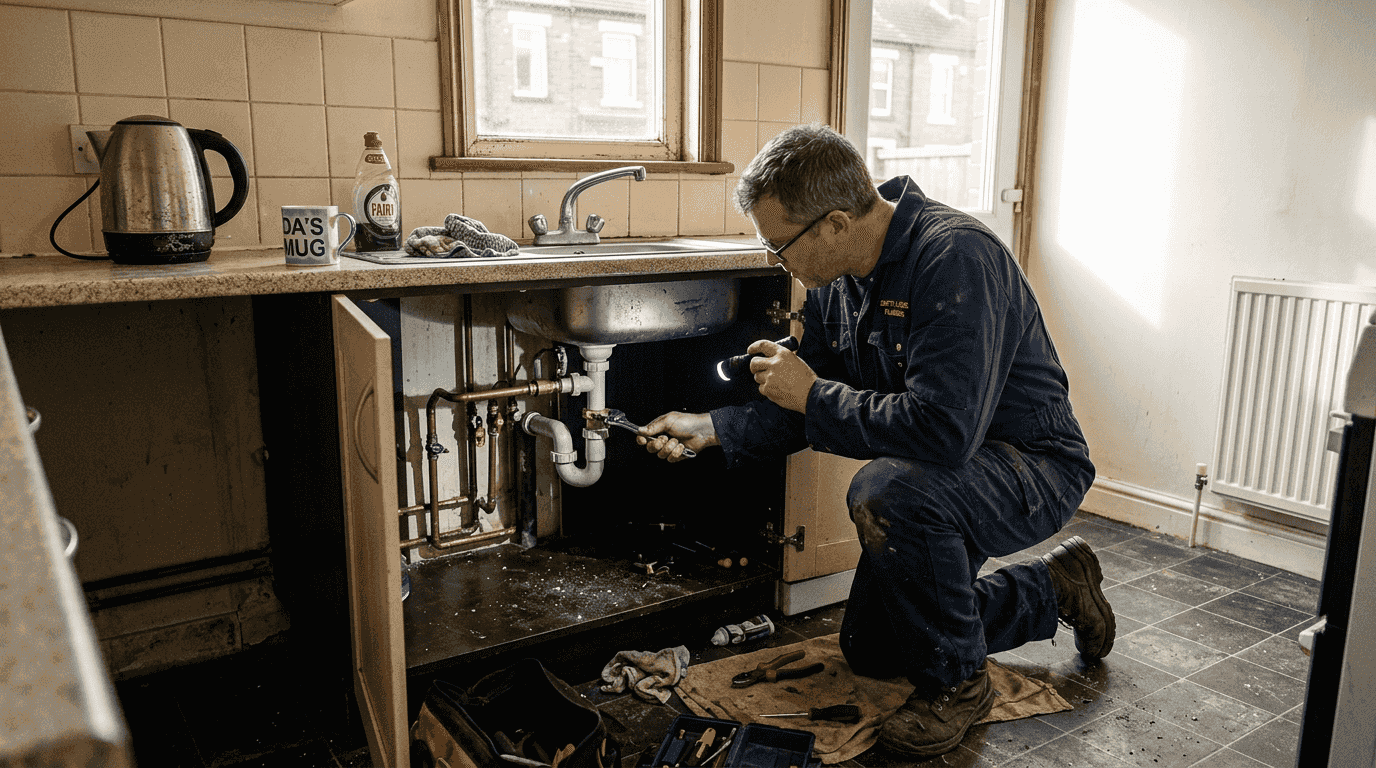
Choosing the right plumbing system for your home can feel overwhelming. Different systems vary significantly in water pressure delivery, maintenance requirements, installation costs, and space demands. Whether you're planning a renovation or simply want to understand your existing setup better, knowing the key differences between vented and unvented cylinders, copper versus PEX piping, and how each option affects your daily water usage will help you make informed decisions that save money and prevent future headaches.
Table of Contents
- Key criteria for choosing plumbing systems
- Types of hot water cylinders: vented versus unvented
- Common pipe types for UK plumbing systems
- Comparing plumbing systems: choosing what suits your home
- Reliable plumbing solutions from 777 Plumber
- Frequently asked questions
Key takeaways
| Point | Details |
|---|---|
| Water pressure matters | Understanding vented and unvented cylinders helps you choose systems that deliver adequate pressure for your household needs. |
| Pipe material impacts longevity | Copper, PEX, and PVC each offer different benefits for durability, installation ease, and cost effectiveness. |
| Space constraints affect choices | Unvented systems save loft space by eliminating cold water tanks, whilst vented systems require additional storage. |
| Installation complexity varies | Simpler vented systems cost less upfront, whilst unvented cylinders demand professional installation and safety devices. |
| Modern options improve efficiency | Flexible PEX piping reduces leak points and simplifies retrofits during renovations. |
Key criteria for choosing plumbing systems
Before selecting any plumbing system, you need to evaluate several critical factors that will affect performance, costs, and maintenance over time. Water pressure requirements depend on your household size and usage patterns. A family of five using multiple bathrooms simultaneously needs far more pressure than a single person in a small flat.
Installation complexity directly impacts both initial costs and potential disruption to your home. The choice between vented and unvented cylinders impacts water pressure, installation complexity, and maintenance requirements. Simpler systems may cost less initially but might not meet your long term needs, whilst more sophisticated setups require specialist installation but deliver better performance.
Maintenance demands influence your total ownership costs significantly. Some systems need annual safety checks, whilst others operate reliably with minimal intervention. Space constraints particularly affect cylinder choices, as vented systems require loft space for cold water tanks, whereas unvented cylinders connect directly to mains water.
Pipe material selection affects everything from water quality to system durability. Environmental impact, installation ease, cost effectiveness, and durability are key pipe selection factors. Copper pipes last decades but cost more upfront, whilst plastic alternatives offer easier installation at lower prices.
Compatibility with your heating source matters enormously for hot water cylinders. Some systems work with gas boilers, others with electric immersion heaters, and modern options integrate with renewable energy sources like solar thermal panels or heat pumps.
Pro Tip: Always consider future needs when choosing plumbing systems. Installing a system that barely meets current demands leaves no room for family growth or additional bathrooms.
Key evaluation points include:
- Water pressure availability from your mains supply
- Available space for tanks and cylinders
- Budget for initial installation and ongoing maintenance
- Household size and peak water usage times
- Compatibility with existing or planned heating systems
- Local building regulations and safety requirements
Types of hot water cylinders: vented versus unvented
Hot water cylinders form the heart of most UK domestic plumbing systems, and understanding the fundamental differences between vented and unvented types helps you choose the right option for your home. These two systems operate on completely different principles and suit different household needs.
Unvented cylinders deliver water from the mains with stronger pressure and faster heating times, and do not require a cold water tank. They connect directly to your incoming water supply, using mains pressure to push water through your taps and showers. This direct connection means multiple outlets can run simultaneously without pressure drops, making them ideal for larger homes or families with high water demands.
The space saving benefits of unvented systems prove particularly valuable in modern homes. Without needing a cold water tank in the loft, you free up valuable storage space and eliminate frost risk during winter. Installation requires qualified professionals due to safety valve requirements and building regulation compliance, but the performance benefits often justify the higher initial costs.
Vented cylinders are simpler, gravity fed systems using a cold water tank; ideal for low pressure areas and cheaper installation. Water flows from an elevated tank through the cylinder and out to your taps, relying on gravity rather than mains pressure. This traditional approach costs less to install and maintains itself with minimal intervention.
However, vented systems suffer from inherent pressure limitations. The height difference between your tank and outlets determines water pressure, which explains why upstairs showers often feel weaker than ground floor taps. You'll also need adequate loft space for the cold water tank, and winter freezing can cause problems if insulation proves inadequate.
| Feature | Vented Cylinder | Unvented Cylinder |
|---|---|---|
| Water pressure | Low to moderate (gravity fed) | High (mains pressure) |
| Space requirements | Requires loft tank | No tank needed |
| Installation cost | Lower | Higher |
| Maintenance | Minimal | Annual safety checks |
| Hot water delivery | Slower heating | Faster heating |
Pro Tip: Check your mains water pressure before choosing an unvented system. Some areas have insufficient pressure to justify the extra cost, making vented cylinders the more practical choice.
Key advantages of unvented systems:
- Superior water pressure throughout the house
- No cold water tank means more usable loft space
- Better hygiene with sealed system design
- Compatible with various heat sources including renewables
Vented system benefits:
- Lower installation and equipment costs
- Simpler maintenance requirements
- Works reliably in low mains pressure areas
- Easier to repair with standard plumbing skills
Common pipe types for UK plumbing systems
The pipes carrying water throughout your home matter just as much as the cylinders heating it. Different materials offer distinct advantages for hot water, cold water, and drainage applications, and choosing wisely affects system longevity and maintenance costs.
Copper piping remains the gold standard for UK plumbing, particularly for hot water distribution. Copper pipes offer corrosion resistance and thermal durability; PVC and CPVC are lightweight and cost effective; PEX is flexible and reduces leak points. Copper handles high temperatures beautifully, resists corrosion, and typically lasts 50 years or more. The material's rigidity provides structural stability, though this same characteristic makes installation more labour intensive and expensive.
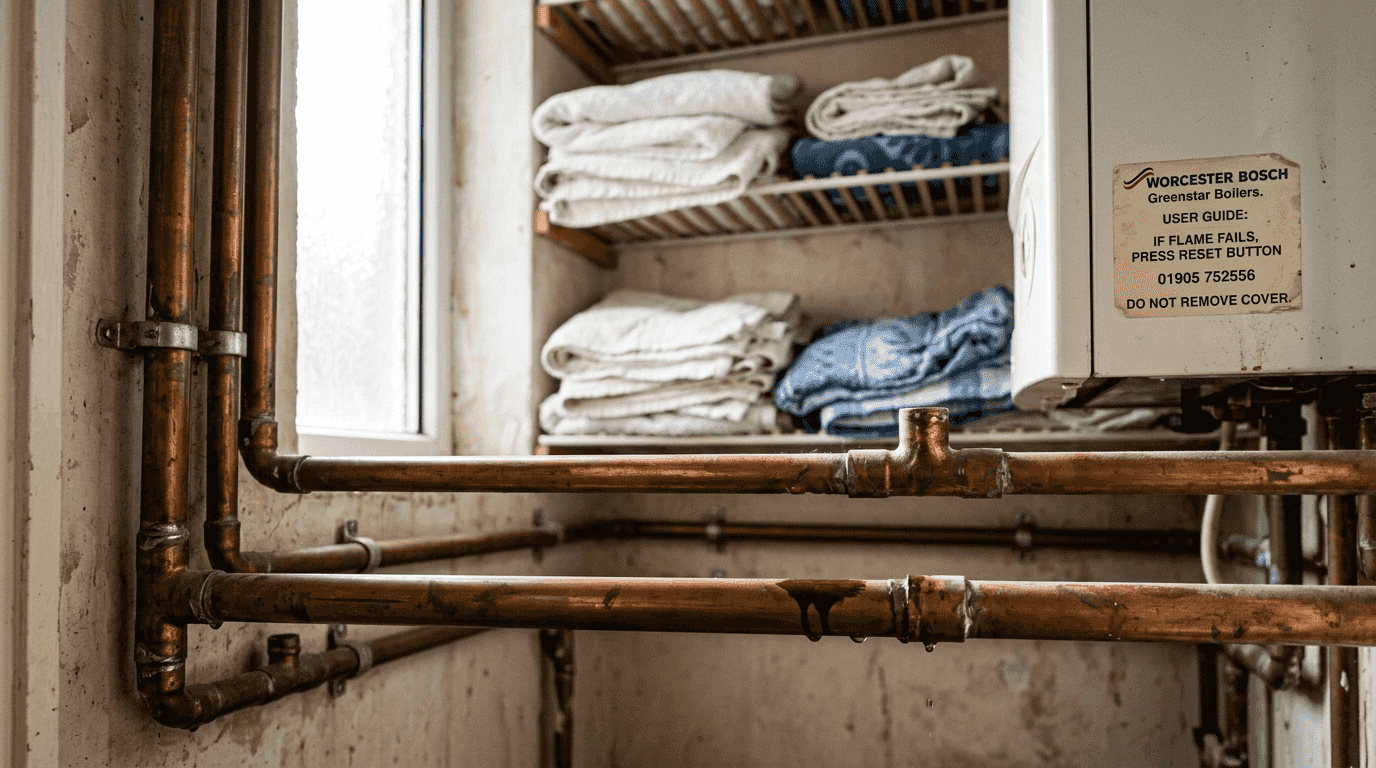
PVC piping suits cold water supply and drainage applications perfectly. Its lightweight nature simplifies handling and installation, whilst excellent chemical resistance prevents degradation. However, standard PVC cannot handle hot water, as temperatures above 60°C cause warping and failure. For hot water applications, CPVC (chlorinated polyvinyl chloride) provides the necessary heat resistance whilst maintaining PVC's other benefits.
PEX (cross linked polyethylene) represents modern plumbing innovation at its finest. This flexible plastic tubing bends around corners and obstacles, dramatically reducing the number of joints and potential leak points in your system. Installation speed increases significantly compared to rigid piping, making PEX particularly attractive for renovation projects where accessing existing pipe runs proves challenging.
Galvanised steel pipes are strong but prone to rust and reduced flow, often replaced with modern alternatives. Homes built before 1970 often contain galvanised steel, which seemed durable initially but corrodes internally over decades. This corrosion narrows pipe diameter, reducing water flow and potentially contaminating your water supply with rust particles.
| Pipe Material | Best Use | Lifespan | Cost | Installation Difficulty |
|---|---|---|---|---|
| Copper | Hot water, central heating | 50+ years | High | Moderate to high |
| PVC | Cold water, drainage | 25-40 years | Low | Low |
| CPVC | Hot and cold water | 25-40 years | Low to moderate | Low |
| PEX | Hot and cold water | 40-50 years | Moderate | Very low |
| Galvanised steel | Outdated, avoid | 20-50 years | Moderate | High |
Pro Tip: If you're renovating an older home with galvanised steel pipes, budget for complete replacement rather than partial repairs. Once corrosion starts, it spreads throughout the system, and piecemeal fixes prove more expensive long term.
Material selection considerations:
- Copper excels for reliability but increases material and labour costs
- PEX offers the best balance of performance, cost, and installation ease
- PVC and CPVC suit budget conscious projects with straightforward layouts
- Avoid galvanised steel entirely in new installations or major renovations
- Consider water quality and local regulations when selecting materials
Comparing plumbing systems: choosing what suits your home
Now that you understand individual components, comparing complete systems helps you match the right solution to your specific circumstances. Your household size, water pressure availability, budget constraints, and available space all influence which combination works best.
Water pressure stands as the primary differentiator between vented and unvented cylinders. If your mains pressure exceeds 1.5 bar consistently, unvented cylinders support various heat sources and have a sealed design improving hygiene. This makes them ideal for larger homes where multiple people need hot water simultaneously. Families with teenagers competing for morning showers particularly benefit from the superior pressure and recovery times.
Smaller households or homes in areas with lower mains pressure find vented systems more appropriate. The simpler installation and lower costs suit properties where one or two people rarely use multiple outlets simultaneously. You sacrifice some convenience but gain reliability and affordability.
Pipe material choices complement your cylinder selection. Copper piping pairs naturally with either cylinder type, offering maximum durability and heat resistance. However, budget conscious homeowners increasingly choose PEX for its installation speed and reduced labour costs. The flexibility advantage proves invaluable when retrofitting modern plumbing into older properties with awkward layouts.
| Consideration | Best for Vented | Best for Unvented |
|---|---|---|
| Household size | 1-3 people | 4+ people |
| Mains pressure | Below 1.5 bar | Above 1.5 bar |
| Budget priority | Lower initial cost | Better performance |
| Space availability | Loft space available | Limited loft space |
| Maintenance preference | Minimal intervention | Accept annual checks |
Pro Tip: Don't base your decision solely on initial costs. Calculate total ownership costs over 15 years, including installation, maintenance, energy efficiency, and potential repairs. The cheapest option upfront often costs more long term.
Your ideal system depends on:
- Current and anticipated household size
- Measured mains water pressure at your property
- Available budget for installation and ongoing maintenance
- Loft space availability and condition
- Local building regulations and safety requirements
- Plans for future home improvements or extensions
Reliable plumbing solutions from 777 Plumber
Understanding plumbing systems helps you make informed decisions, but professional installation and maintenance ensure everything works reliably for years. Whether you're upgrading to an unvented cylinder, replacing outdated galvanised pipes with modern PEX, or simply need expert advice on which system suits your home best, 777 Plumber delivers fast, affordable solutions across Bristol and surrounding areas.
Our in house team of fully qualified plumbers handles everything from simple repairs to complete system installations. We understand the unique challenges of UK homes, from period properties with limited space to modern builds requiring high pressure systems. With transparent pricing, no call out fees, and flexible online booking, getting professional plumbing help has never been easier. Find your local expert, whether you need a plumber in Golden Hill or a plumber in Hotwells, and book a plumber online today for reliable service you can trust.
Frequently asked questions
What is the difference between vented and unvented plumbing systems?
Vented systems use a cold water tank in the loft and rely on gravity to feed water through your home, resulting in lower pressure. Unvented systems connect directly to mains water supply, delivering higher pressure without needing a storage tank. Vented systems cost less to install but provide weaker water flow, whilst unvented systems require professional installation and annual safety checks but offer superior performance for larger households.
Are unvented cylinders suitable for smaller homes?
Unvented cylinders deliver strong pressure and fast heating, ideal for homes with high water demand but may be more than needed for small homes. If you live alone or with one other person and rarely use multiple taps simultaneously, a simpler vented system often proves more cost effective. The higher installation costs and mandatory annual servicing of unvented systems may not justify the performance benefits in smaller properties.
Which pipe material is easiest to install for renovations?
PEX pipes are flexible and reduce fittings, making them ideal for retrofits and renovations. The material bends around existing structures without requiring numerous joints, significantly reducing installation time and labour costs. PVC and CPVC also offer straightforward installation but lack PEX's flexibility, making them less suitable for properties with complicated layouts or limited access to existing pipe runs.
How do I know if my home plumbing needs upgrading?
Frequent leaks, consistently low water pressure, discoloured or rusty water, and visible corrosion on exposed pipes all signal the need for system upgrades. If your home was built before 1970 and still has original galvanised steel pipes, replacement should be a priority to prevent contamination and flow restrictions. Consulting a qualified plumber for a comprehensive system assessment helps identify problems before they cause serious damage or flooding.
Can I switch from a vented to an unvented system?
Yes, converting from vented to unvented is possible and increasingly common during renovations. However, you must ensure your mains water pressure meets minimum requirements, typically 1.5 bar or higher. The conversion requires professional installation by a qualified plumber familiar with building regulations, as unvented systems need specific safety devices including pressure relief valves and expansion vessels. Budget for both equipment costs and the labour involved in removing the old tank and installing the new sealed system.