
Water leaks remain one of the most insidious threats to UK homes, often causing thousands of pounds in damage before homeowners even notice the problem. A single undetected leak can compromise structural integrity, fuel mould growth, and inflate water bills dramatically. The good news? Most leaks reveal themselves through telltale signs you can spot with basic observation and simple tools. This guide walks you through practical detection methods that help you identify leaks early, verify their location, and decide whether to tackle repairs yourself or call in professional help.
Table of Contents
- Key Takeaways
- Understanding common water leak signs
- Preparing to detect leaks: tools and initial checks
- Step-by-step leak detection methods
- Verifying leaks and next steps for repair
- How 777 Plumber helps detect and fix leaks fast
- How to detect water leaks - FAQ
Key Takeaways
| Point | Details |
|---|---|
| Early detection saves damage | Detecting leaks early turns a minor issue into a manageable repair rather than a catastrophic home emergency. |
| Damp signs matter | Damp patches, mould and discolouration are common early indicators. |
| Regular fixture checks | Inspecting taps, toilets, hoses and other fittings regularly helps reveal leaks before they worsen. |
| Moisture metre use | A moisture metre helps detect hidden dampness behind walls and under floors. |
| Call in professionals | Professional plumbers offer expert leak detection and swift repairs when required. |
Understanding common water leak signs
Your home constantly communicates its plumbing health through visible and sensory clues. Recognising these signals helps you catch leaks before they escalate into major problems.
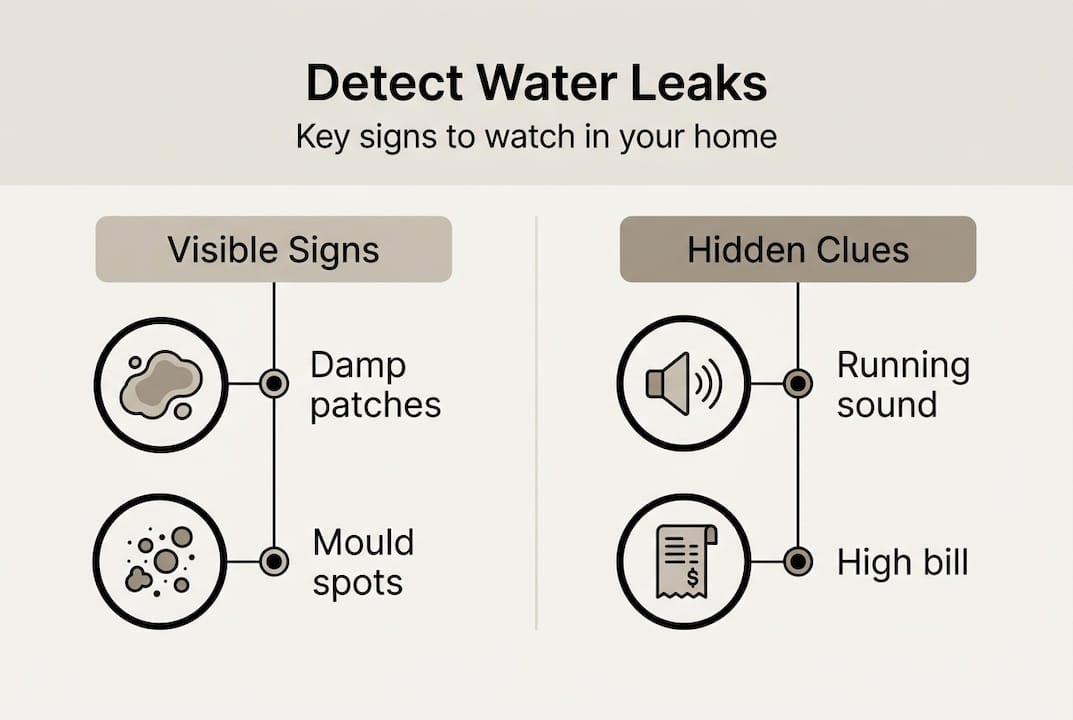
Damp patches represent the most obvious leak indicator. Check ceilings, walls, and floors for discolouration, soft spots, or areas that feel cool to the touch. Water stains typically appear as yellow or brown rings that expand outward from the leak source. Fresh stains look darker and feel damp, while older ones fade to lighter shades but leave permanent marks.
Mould growth signals persistent moisture problems. Black, green, or white fuzzy patches around pipes, under sinks, or in corners indicate water accumulation. Mould thrives in damp environments and poses health risks, particularly for people with respiratory conditions. Undetected leaks can cause major property damage and health risks, making early identification crucial for protecting both your home and family wellbeing.
Unusual sounds provide another detection method. Listen for dripping, trickling, or running water when all taps and appliances are off. These sounds often intensify at night when ambient noise decreases. Pay special attention to walls containing pipes and areas near bathrooms or kitchens.
Water bills offer quantitative evidence of leaks. A sudden spike without corresponding usage changes suggests water escaping somewhere in your system. Compare recent bills to previous months, accounting for seasonal variations. Even a modest unexplained increase of 10 to 15 percent warrants investigation.
Musty odours indicate hidden leaks behind walls or under floors. This distinctive smell results from stagnant water and mould growth in enclosed spaces. If you detect persistent musty scents without an obvious source, moisture likely accumulates in concealed areas.
Pro Tip: Inspect under sinks, around toilets, and behind washing machines monthly. These high-use areas develop leaks frequently but remain easy to check. Look for water pooling, rust stains on pipes, or loose connections that might drip intermittently.
Preparing to detect leaks: tools and initial checks
Successful leak detection starts with proper preparation. Gathering basic tools and understanding your home's plumbing layout streamlines the investigation process.
Essential tools include:
- A bright torch for inspecting dark spaces under sinks and in cupboards
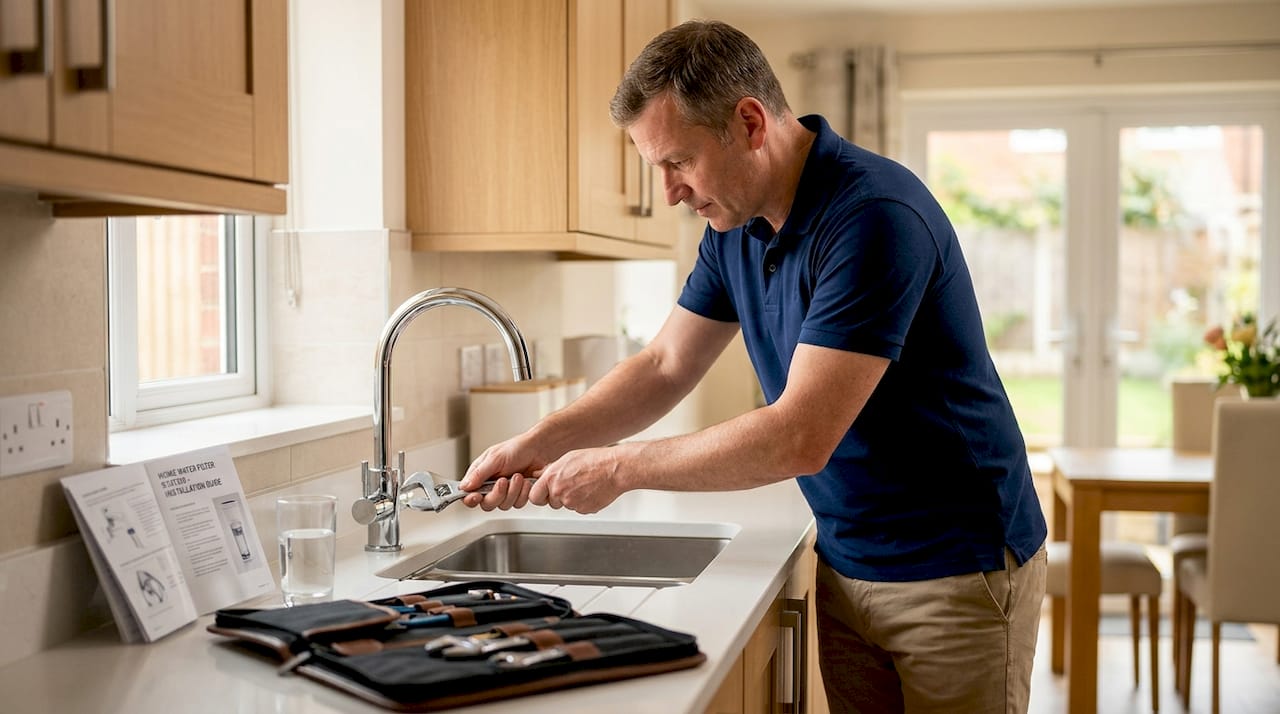
- An adjustable wrench for checking pipe connections and valve tightness
- Your water meter location and access key if needed
- A moisture meter (available from hardware shops for £15 to £30) for detecting hidden dampness
- A notepad or phone camera for documenting findings
Before diving into detection, familiarise yourself with your home's plumbing system. Locate the main water shut-off valve, identify where pipes run through walls, and note the positions of all fixtures. Understanding your types of plumbing systems helps you anticipate where leaks commonly develop.
| Detection approach | What it reveals | Best for |
|---|---|---|
| Visual inspection | Surface leaks, drips, stains, corrosion | Accessible pipes, fixtures, appliances |
| Water meter test | Hidden leaks anywhere in system | Confirming suspected leaks overnight |
| Moisture meter | Dampness behind walls, under floors | Finding concealed leak locations |
| Pressure test | System-wide integrity issues | Professional verification of repairs |
Create a systematic inspection checklist covering all plumbing fixtures. Start with visible pipes under sinks and around toilets. Check tap connections, shower heads, and washing machine hoses. Examine radiator valves and boiler pressure gauges. Move methodically through each room to avoid missing potential problem areas.
Pro Tip: Turn off your main water supply for two hours while you're out. Mark your water meter reading before leaving and check it again when you return. Any movement indicates a leak somewhere between the meter and your home's fixtures. This simple test reveals hidden leaks without specialising equipment.
Regular maintenance and inspection prevent leaks becoming emergencies. Scheduling quarterly checks catches small issues before they develop into costly repairs. Document your findings each time to track changes and identify patterns that might signal deteriorating pipes or failing fixtures.
Step-by-step leak detection methods
Systematic detection methods help you pinpoint leaks efficiently. Follow these procedures to identify problems with increasing precision.
-
Conduct the water meter test. Note your meter reading with all water turned off. Wait 30 minutes without using any water. Check the meter again. Any change confirms a leak somewhere in your system.
-
Test toilets for silent leaks. Drop food colouring into the cistern without flushing. Wait 15 minutes. If colour appears in the bowl, the flapper valve leaks, wasting significant water continuously.
-
Inspect all visible taps. Check for drips from spouts and moisture around bases. Even slow drips waste litres daily. Tighten connections and replace worn washers as needed.
-
Examine outdoor taps and irrigation. Garden taps often leak at connections or through cracked housings after winter freezes. Check hose attachments and sprinkler system components for drips or spray patterns indicating damage.
-
Monitor the boiler pressure gauge. A consistently dropping pressure reading suggests a leak in your heating system. Check radiator valves and visible pipes for moisture.
-
Use your moisture meter strategically. Test walls and ceilings near plumbing fixtures, especially if you've noticed stains or smells. Higher readings pinpoint leak locations behind surfaces.
| Method | DIY capability | Professional approach |
|---|---|---|
| Visual inspection | Accessible pipes and fixtures | Endoscopic cameras for concealed pipes |
| Water meter monitoring | Overnight tests confirm leaks | Continuous data logging identifies patterns |
| Moisture detection | Handheld meters find damp spots | Thermal imaging reveals temperature changes |
| Acoustic listening | Ear to wall for running water | Electronic listening devices amplify pipe sounds |
| Pressure testing | Basic gauge observation | Calibrated equipment measures precise pressure drops |
Know when professional help becomes necessary. Professional leak detection uses advanced methods beyond simple observation, including acoustic sensors that detect water movement inside walls and thermal cameras that reveal temperature variations caused by escaping water. If your DIY investigation suggests a leak but you cannot locate it precisely, specialists possess tools that pinpoint problems without destructive exploratory work.
Pro Tip: Check your water meter late at night before bed. Ensure no appliances will run overnight. Note the reading and check again first thing in the morning. This extended test period makes even tiny leaks apparent through meter movement, providing clear evidence that warrants further investigation.
Verifying leaks and next steps for repair
Once you suspect a leak, verification ensures you address the actual problem rather than chasing false positives. Proper documentation helps professionals diagnose issues quickly if you need expert assistance.
Confirm suspected leaks through targeted testing. For toilet leaks, the dye test provides definitive proof. For pipe leaks, wipe the suspected area dry and place paper towels underneath. Return after several hours to check for moisture. Moisture meters offer scientific verification, with readings above 15 to 17 percent typically indicating active leaks in building materials.
Document everything thoroughly. Photograph stains, dampness, and affected areas from multiple angles. Record water meter readings with timestamps. Note when you first observed symptoms and how they've progressed. This information proves invaluable whether you tackle repairs yourself or hire professionals.
Several signs demand immediate professional intervention:
- Water pooling around your boiler or hot water cylinder
- Sudden pressure drops in your heating system
- Leaks near electrical fixtures or consumer units
- Structural damage like sagging ceilings or buckling floors
- Mains water leaks between the street and your home
- Any leak you cannot locate despite obvious symptoms
Early professional intervention can save significant repair costs. What starts as a minor drip can quickly damage flooring, walls, and foundations if left unaddressed. Water also creates ideal conditions for mould growth, which requires expensive remediation.
DIY repairs work well for straightforward issues. Replace worn tap washers, tighten loose pipe connections, or swap out faulty toilet flappers yourself with basic tools and replacement parts from hardware shops. These fixes typically cost under £20 and take less than an hour.
More complex problems require professional expertise. Hidden leaks behind walls, mains supply issues, or leaks involving your heating system need specialised knowledge and equipment. Attempting repairs beyond your skill level often worsens damage and increases eventual repair costs.
Pro Tip: Choose plumbers who offer transparent pricing and no call out charge policies. This approach eliminates surprise fees and ensures you only pay for actual work completed. Local professionals familiar with your area's typical plumbing configurations often diagnose problems faster than national chains, saving you both time and money.
How 777 Plumber helps detect and fix leaks fast
When leaks exceed DIY capabilities or you need expert verification, professional services provide peace of mind and lasting solutions. 777 Plumber specialises in comprehensive mains water leak detection using advanced acoustic and thermal imaging technology that locates problems without unnecessary excavation or wall removal.

Our fully employed technicians respond quickly across Bristol and surrounding areas, offering 24 hour emergency service when leaks threaten your property. We provide transparent pricing with our no fix no fee guarantee, ensuring you never pay for unsuccessful repairs. Whether you face a mysterious hidden leak or need immediate intervention for visible water damage, our local plumbers in Bristol bring expertise and proper equipment to resolve issues efficiently. From initial detection through complete repair and testing, we handle every aspect of leak resolution, helping you protect your home's value and your family's comfort.
How to detect water leaks - FAQ
How can I tell if I have a hidden water leak?
Monitor your water meter with all fixtures turned off for several hours. Any movement indicates a hidden leak. Also watch for unexplained water bill increases, musty odours, or damp patches on walls and ceilings. Moisture meters help detect dampness behind surfaces where leaks hide from visual inspection.
What should I do if my water meter keeps moving with no water use?
This confirms a leak somewhere in your plumbing system. First, check all visible taps, toilets, and appliances for drips. If you find nothing obvious, the leak likely exists in pipes behind walls or underground. Contact a professional plumber who can use acoustic detection equipment to locate the problem without destructive investigation.
Are water leaks covered by home insurance?
Most policies cover sudden, accidental water damage but exclude gradual leaks from poor maintenance. Insurance typically pays for resulting damage like ruined flooring or walls but not the actual pipe repair. Review your specific policy and report leaks promptly, as delayed claims may face rejection for preventable damage.
Can I use food colouring to detect leaks?
Yes, this works brilliantly for toilet leaks. Add several drops of food colouring to the cistern without flushing. Wait 15 to 20 minutes. If colour appears in the bowl, your flapper valve leaks, wasting water continuously. This simple test costs nothing and reveals one of the most common household leaks.
How often should I check my plumbing for leaks?
Inspect visible pipes, taps, and fixtures monthly, especially under sinks and around toilets. Conduct a water meter test quarterly to catch hidden leaks early. Schedule annual professional inspections for comprehensive system checks, particularly if your home has older plumbing or you've experienced previous leak issues.