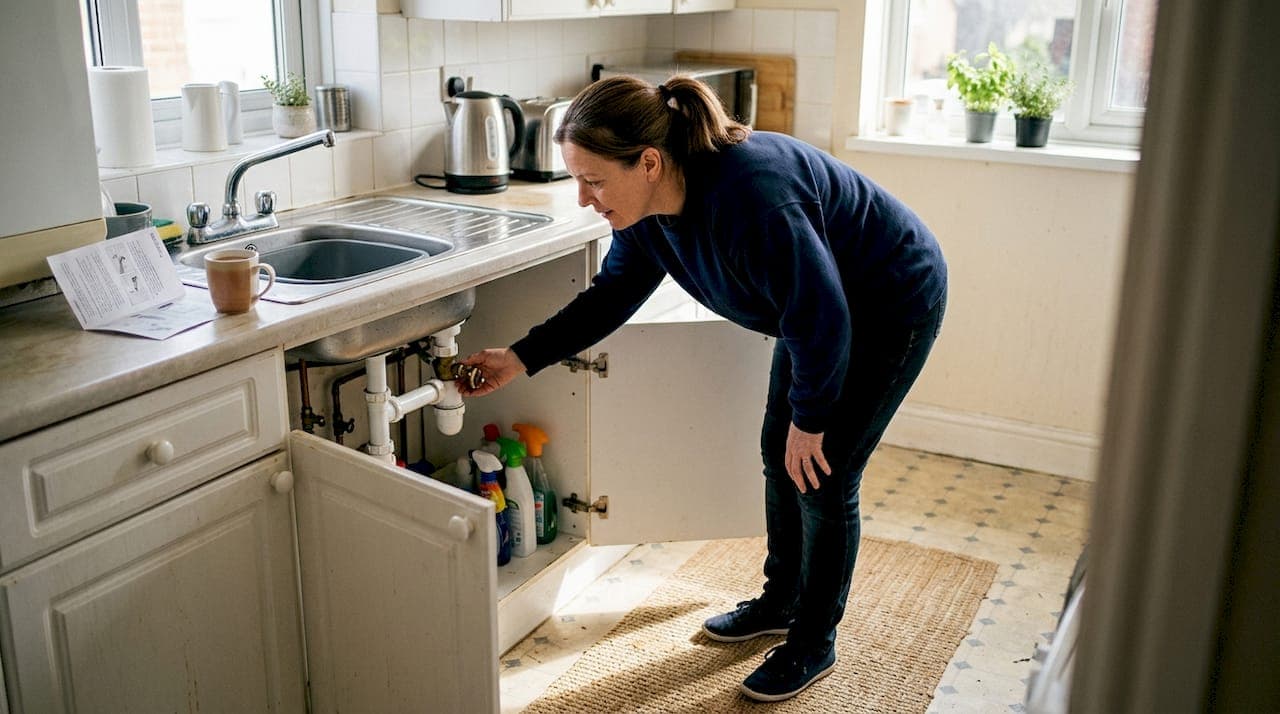
Most homeowners think of plumbing as a convenience issue, not a safety one. Yet your pipes, taps, and water systems form the first line of defence against serious hazards like Legionella bacteria, flooding, and even fire damage. When plumbing fails or isn't properly maintained, the consequences go far beyond a dripping tap. This guide reveals how your plumbing directly protects your family's health and home security, and what you need to do to keep those systems working safely.
Table of Contents
- Key Takeaways
- How plumbing controls health risks in your home
- Plumbing regulations and safety standards every UK homeowner should know
- Common plumbing hazards: leaks, bursts, and fire safety integration
- Best practices to maintain plumbing safety in your home
- Trusted plumbing services for home safety in the UK
- Frequently asked questions
Key Takeaways
| Point | Details |
|---|---|
| Legionella temperature control | Maintain hot water above 60°C and cold below 20°C to inhibit Legionella growth. |
| Weekly flushing routine | Flush guest bathrooms, utility sinks and garden taps weekly by running hot and cold water for at least two minutes to clear stagnation. |
| Professional health checks | Have a qualified plumber carry out regular inspections to test temperatures, check thermostatic mixing valves and identify dead legs. |
| Regulatory framework awareness | Understand Part G and Part H requirements including thermostatic mixing valves, drainage and hot water safety to ensure compliant work. |
How plumbing controls health risks in your home
Your water system creates the perfect breeding ground for Legionella bacteria if temperatures fall into the danger zone. These microorganisms thrive between 20-45°C, multiplying rapidly in stagnant water and causing potentially fatal Legionnaires' disease when inhaled through shower spray or taps. Plumbing systems prevent Legionella growth by maintaining hot water above 60°C and cold below 20°C, effectively killing or inhibiting bacterial colonies before they pose a threat.
Temperature control alone isn't enough. Guest bathrooms, utility sinks, and garden taps often sit unused for weeks, allowing water to stagnate and bacteria to flourish. Professional plumbers recommend flushing these outlets weekly, running hot and cold water for at least two minutes to clear stagnant water from pipes. You should also inspect shower heads and tap aerators monthly, removing and descaling them to prevent biofilm buildup where bacteria hide.
Regular professional inspections following HSE ACOP L8 guidance catch problems before they escalate. A qualified plumber checks water temperatures at multiple points, tests thermostatic mixing valves, and identifies dead legs in your system where water doesn't circulate. They'll also verify that your hot water cylinder maintains the correct temperature and that cold water storage tanks have proper insulation and covers to prevent contamination.
Pro Tip: Test your hot water temperature at the tap furthest from your cylinder. If it measures below 50°C after running for a minute, you need immediate professional attention. Cold taps should never exceed 20°C, even in summer.
Understanding plumbing accreditation standards helps you choose qualified professionals who follow these critical health protocols. The investment in proper temperature control and regular flushing prevents not just illness, but the devastating costs of outbreak investigations and remediation work.
"Legionella risk assessments must identify where water is stored or re-circulated, where water temperature is between 20-45°C, and where water droplets are created. Regular monitoring and control measures are essential for all domestic water systems." — Health and Safety Executive
Plumbing regulations and safety standards every UK homeowner should know
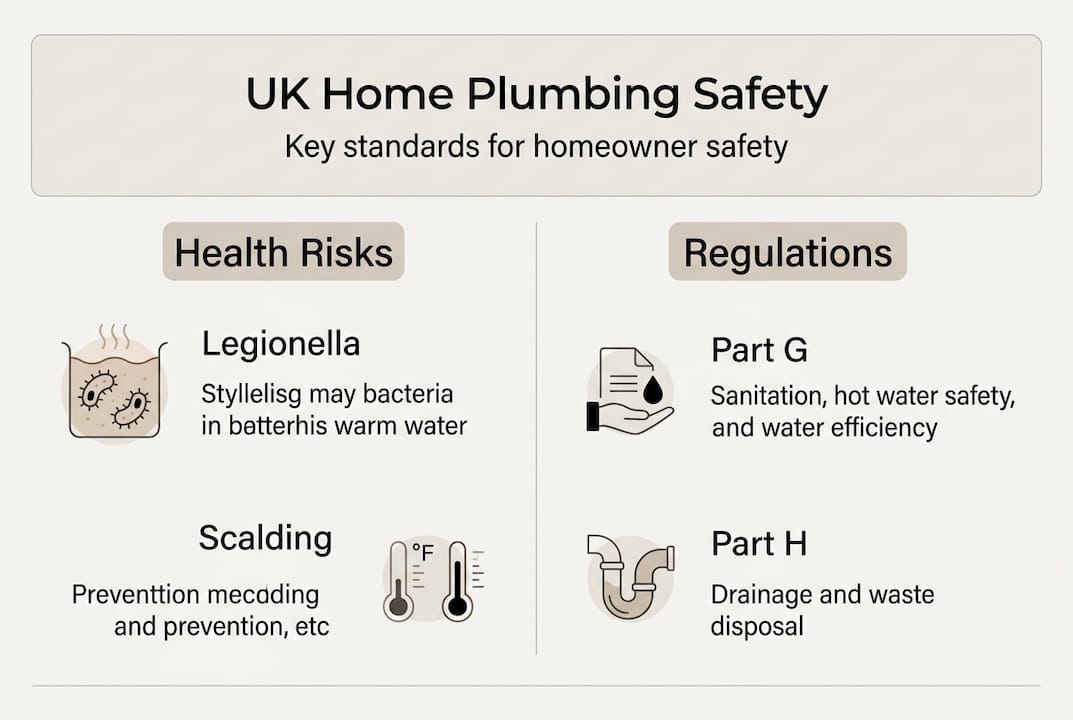
UK Building Regulations create a legal framework that protects you from substandard plumbing work. Part G mandates sanitation, hot water safety, and water efficiency, whilst Part H ensures drainage systems prevent flooding and contamination. These aren't optional guidelines but enforceable standards that every installation must meet.
Part G requires thermostatic mixing valves on bath taps to prevent scalding, particularly important for households with children or elderly residents. Hot water from cylinders can reach 60-65°C to control bacteria, but this temperature causes serious burns in seconds. TMVs blend hot and cold water automatically, delivering safe temperatures at the tap whilst maintaining high storage temperatures for Legionella control. The regulation also sets maximum flow rates for taps and showers to conserve water without compromising functionality.
Part H drainage requirements prevent sewage backflow and ensure rainwater systems handle heavy downpours without flooding your property. Proper drainage slope, trap seals, and ventilation stop foul odours and dangerous gases entering your home. The regulations specify minimum pipe sizes, maximum connection distances, and mandatory access points for maintenance and blockage clearance.
| Regulation area | Required safety features | Professional certification needed |
|---|---|---|
| Hot water systems | TMVs, temperature controls, expansion vessels | WaterSafe registered plumber |
| Drainage and sanitation | Proper slopes, trap seals, ventilation, access points | Building Control approval |
| Water supply | Backflow prevention, pressure regulation, WRAS approved fittings | WaterSafe registered plumber |
| Unvented cylinders | Pressure relief valves, temperature controls, discharge pipes | G3 qualified installer |
Certain plumbing work requires Building Control notification before you start. Installing or modifying drainage systems, adding new bathrooms, or replacing unvented hot water cylinders all need approval. Your plumber should handle notifications, but you remain legally responsible if work proceeds without proper authorisation. Non-compliant installations create insurance complications, reduce property value, and may require expensive remediation when discovered during house sales.
Pro Tip: Always verify WRAS approval marks on new taps, valves, and fittings. Water Regulations Advisory Scheme approval confirms products meet UK water supply standards and won't contaminate your drinking water.
Knowing different plumbing system types helps you understand which regulations apply to your home. Gravity-fed systems, combination boilers, and unvented cylinders each have specific safety requirements and maintenance needs that qualified professionals must address during installation and servicing.
Common plumbing hazards: leaks, bursts, and fire safety integration
Water damage from leaks and burst pipes devastates UK homes annually. Insurers paid £987M in 2022 for escape of water claims, with average payouts reaching £12,791 per incident. The UK water industry loses 19% of its supply to leaks, much of it from domestic properties where small drips go unnoticed for months. A pinhole leak wastes 400 litres daily, whilst a burst pipe can flood your home with thousands of litres before you locate the stopcock.
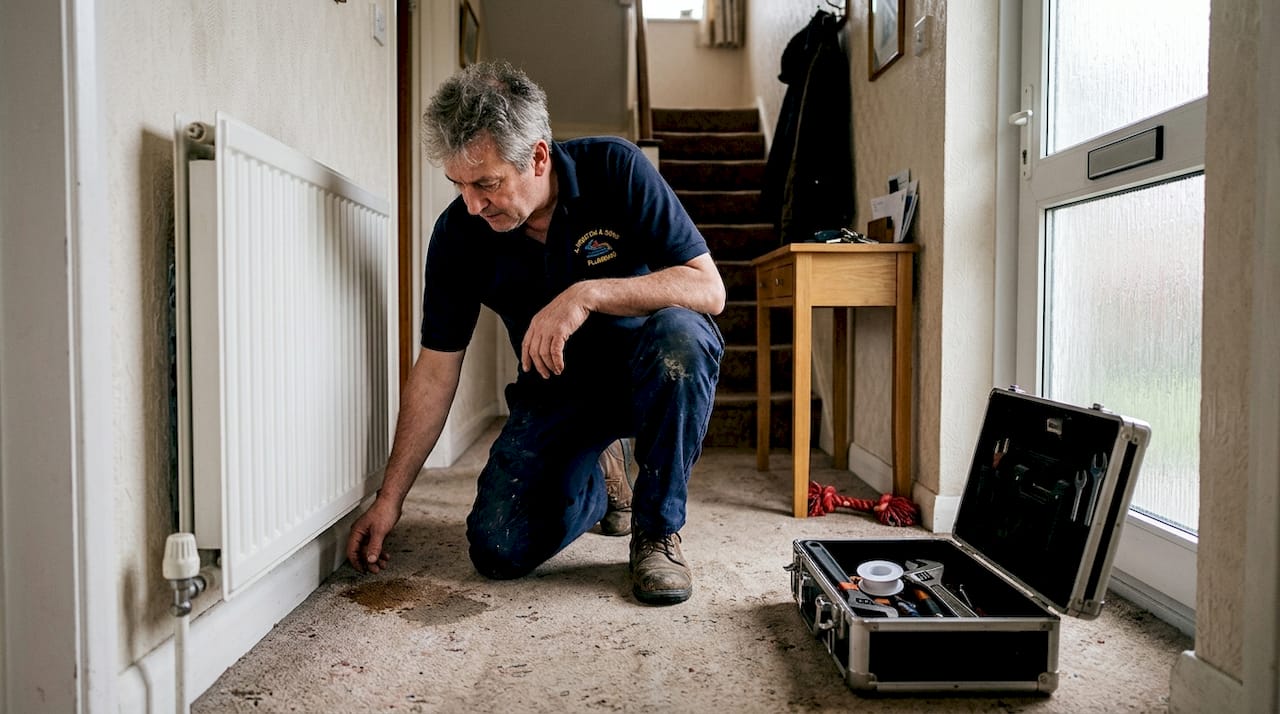
Pipe bursts typically occur during winter freezing or from corrosion in older copper and steel pipes. Water expands when frozen, creating pressure that splits pipes open. When temperatures rise, ice melts and water gushes through the breach. Loft spaces, exterior walls, and unheated rooms face highest risk. Corrosion works slowly, thinning pipe walls over decades until water pressure causes failure, often behind walls or under floors where damage spreads unseen.
| Damage source | Average water released | Typical repair cost | Prevention method |
|---|---|---|---|
| Slow leak (tap/joint) | 400 litres/day | £300-800 | Regular inspections, prompt repairs |
| Burst pipe | 1,500+ litres/hour | £5,000-15,000 | Pipe insulation, heating maintenance |
| Fire sprinkler activation | 60-120 litres/minute (localised) | £2,000-5,000 | Professional installation, annual testing |
| Uncontrolled house fire | Thousands of litres (whole property) | £50,000-200,000+ | Install sprinkler system |
Fire safety plumbing represents a critical but often overlooked protection layer. Residential fire sprinklers activate only when heat reaches 68-74°C at the sprinkler head, not from smoke or steam. Each head operates independently, so only sprinklers in the fire zone release water. This targeted response causes far less damage than fire hoses delivering 1,500 litres per minute across multiple rooms, or the fire itself destroying your entire property.
Sprinkler systems require fire-stopping materials around pipe penetrations through walls and floors, preventing fire and smoke spread through these openings. Approved Document B sets standards for sprinkler design, installation, and maintenance in residential properties. The pipes themselves must withstand high temperatures without failing, using copper, steel, or approved plastic systems rated for fire conditions.
Key steps to prevent plumbing leaks and bursts:
- Locate your main stopcock and test it twice yearly by turning fully off then on. Seized stopcocks fail when you need them most.
- Insulate all pipes in unheated spaces using foam tubes or wrapping. Pay special attention to loft areas and exterior walls.
- Monitor water meter readings weekly to spot unexplained increases indicating hidden leaks. A 10% rise without usage changes warrants investigation.
- Hire WaterSafe registered plumbers for all installations and repairs. Qualified professionals spot potential failures during routine work.
- Replace washing machine and dishwasher hoses every five years. These rubber hoses deteriorate internally, causing sudden bursts under pressure.
Pro Tip: Install a smart water leak detector near your washing machine, under sinks, and by your hot water cylinder. These devices alert your phone to moisture before major damage occurs, and some can automatically shut off your water supply.
Understanding emergency plumbing procedures prepares you to act quickly when leaks strike. Every minute counts when water pours into your home. Professional help for mains water leaks prevents catastrophic damage and protects your property value.
"Modern fire sprinkler systems are highly reliable with leak rates far lower than standard plumbing. The risk of accidental activation is less than 0.0001%, and when they do activate, they extinguish fires using 90% less water than fire brigade hoses whilst causing minimal collateral damage." — National Fire Sprinkler Association UK
Best practices to maintain plumbing safety in your home
Proactive maintenance prevents most plumbing emergencies and safety hazards. Your stopcock controls water flow to your entire property, yet many homeowners don't know its location until disaster strikes. Find it now, typically under your kitchen sink, in a downstairs cupboard, or outside near your property boundary. Test it twice yearly by turning clockwise to close, waiting a moment, then turning anticlockwise to reopen. Stopcocks seize from lack of use, becoming immovable during emergencies when you need immediate water isolation.
Pipe insulation costs pennies compared to burst pipe repairs. Foam tubes slip over exposed pipes in lofts, garages, and exterior walls, maintaining temperature above freezing even during harsh winters. Pay special attention to pipes near air bricks and vents where cold draughts penetrate. Insulate both hot and cold pipes; hot water pipes lose heat rapidly in unheated spaces, whilst cold pipes freeze and burst. During extended cold spells, leave heating on low continuously rather than off overnight, and open loft hatches slightly to allow warm air circulation.
Regular visual inspections catch problems early when repairs cost hundreds rather than thousands. Check under sinks monthly for dampness, corrosion, or drips from joints and valves. Examine visible pipes for green deposits indicating copper corrosion, or rust stains on steel pipes. Listen for running water when all taps are closed; this sound indicates a hidden leak somewhere in your system. Monitor water pressure; sudden drops suggest leaks, whilst high pressure stresses joints and valves, accelerating wear.
Essential plumbing maintenance tasks:
- Test stopcock operation every six months and apply penetrating oil if stiff
- Flush unused taps and showers weekly for two minutes to prevent Legionella
- Descale shower heads and tap aerators quarterly to maintain flow and hygiene
- Check washing machine and dishwasher hose connections for bulges or cracks
- Inspect visible pipes in loft and under sinks for corrosion, leaks, or damage
- Service your boiler annually with a Gas Safe registered engineer
- Test thermostatic mixing valves annually to ensure safe water temperatures
- Clear external drains and gutters twice yearly to prevent overflow and damp
Knowing when to call professionals protects both your safety and legal position. UK regulations permit DIY for simple tasks like tap washer replacement or fitting new taps to existing connections. However, gas work requires Gas Safe registration, unvented cylinder work needs G3 certification, and electrical connections need qualified electricians. Installing new bathrooms, extending water supplies, or modifying drainage systems require Building Control notification and often professional certification.
WaterSafe registered plumbers meet national standards for competence and carry insurance protecting you from installation errors. They understand current regulations, use approved materials, and provide certification for notifiable work. Attempting complex plumbing yourself risks water damage, health hazards, insurance claim rejection, and legal liability if problems affect neighbours or subsequent property owners.
Pro Tip: Create a plumbing emergency kit containing your stopcock key, adjustable wrench, pipe repair tape, bucket, and torch. Store it accessibly with emergency contact numbers for qualified plumbers. When disaster strikes at 3am, you'll act quickly rather than searching for tools.
Understanding heating engineer roles clarifies which professional to call for different issues. Many plumbing problems interconnect with heating systems, requiring coordinated expertise. Browse our completed projects gallery to see professional standards and installation quality you should expect from qualified tradespeople.
Trusted plumbing services for home safety in the UK
Protecting your home from plumbing hazards requires professional expertise and rapid response when problems emerge. Whether you're dealing with emergency situations in Hotwells or planning preventive maintenance, qualified plumbers ensure your systems meet UK safety standards whilst preventing costly damage.
Professional plumbing services go beyond fixing leaks. They conduct Legionella risk assessments, verify temperature controls, inspect drainage systems, and identify potential failures before they cause damage. Regular professional maintenance catches corrosion, tests safety valves, and ensures your plumbing protects rather than threatens your family's wellbeing.
You can book qualified plumbers online at times that suit your schedule, with transparent pricing and no hidden call-out charges. Our project gallery demonstrates the quality standards and attention to detail that keep homes safe across the UK. From emergency repairs to complete system upgrades, professional plumbing services provide peace of mind that your home's most critical safety systems function properly.
Frequently asked questions
How often should I have my plumbing system inspected for safety?
Professional plumbing and Legionella risk inspections should occur at least annually, though frequency depends on your property type and system complexity. Homes with vulnerable occupants, multiple bathrooms, or complex systems need more frequent checks. Between professional visits, test your stopcock biannually and monitor for leaks, pressure changes, or temperature issues that indicate problems requiring immediate attention.
What are the signs of a hidden leak in my home's plumbing?
Unexplained damp patches on walls, ceilings, or floors indicate water escaping behind surfaces. Unusually high water bills without increased usage suggest significant water loss, potentially 19% of your supply. Listen for running water when all taps are closed, and watch for sudden water pressure drops. Musty odours, mould growth, or peeling paint also signal moisture problems requiring investigation before structural damage occurs.
Can I legally perform my own plumbing repairs at home?
You can legally handle simple tasks like replacing tap washers, fitting new taps to existing connections, or unblocking drains using basic tools. However, UK regulations prohibit DIY for gas work, unvented cylinder installations, electrical connections, or notifiable work under Building Regulations. These tasks require certified professionals with appropriate registrations. Attempting complex work yourself risks safety hazards, insurance complications, and legal liability for damage or injuries.
Why do thermostatic mixing valves matter for home safety?
Thermostatic mixing valves prevent scalding by automatically blending hot and cold water to safe temperatures at taps and showers. Your cylinder stores water at 60-65°C to kill Legionella bacteria, but this temperature causes serious burns in seconds. TMVs deliver water at 38-43°C for bathing whilst maintaining high storage temperatures for bacterial control. They're legally required on bath taps under Building Regulations Part G, protecting vulnerable household members from accidental burns.
How do I prepare my plumbing for winter freezing conditions?
Insulate all exposed pipes in unheated spaces using foam tubes, paying special attention to loft areas and exterior walls. During cold spells, maintain low continuous heating rather than switching off overnight, and leave loft hatches slightly open for warm air circulation. Know your stopcock location and test it works smoothly. If leaving your property empty, consider draining the system or using a smart thermostat to maintain minimum temperatures. These preventive steps avoid burst pipes that cause thousands of pounds in damage.