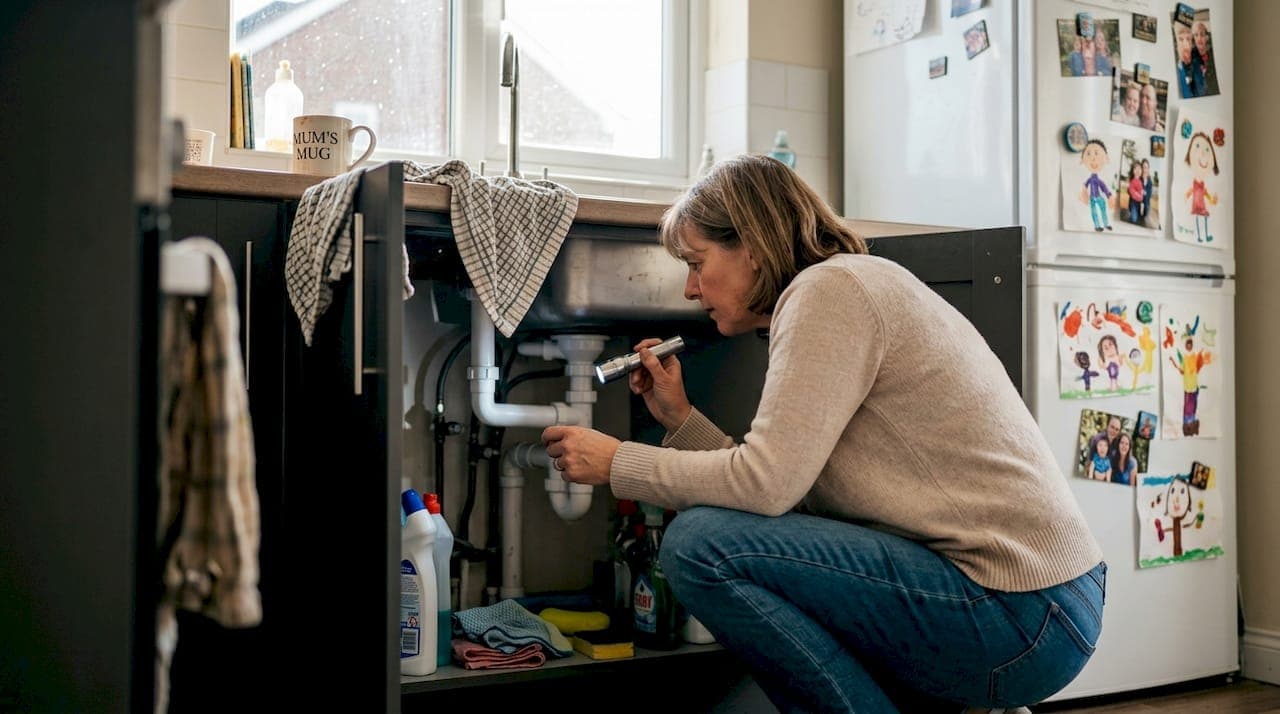
Finding a reliable plumber can feel overwhelming when you're facing a leak or planning a renovation. Most UK homeowners struggle to assess qualifications, compare pricing, and verify credentials before hiring. The wrong choice leads to poor workmanship, inflated costs, and repeat repairs. This guide walks you through what to check before hiring, how to vet plumbers systematically, and ways to confirm their credentials and quality. You'll learn to identify red flags, ask the right questions, and secure transparent agreements that protect your home and budget.
Table of Contents
- Key Takeaways
- Understand what you need before choosing a plumber
- Step-by-step process to vet and select a reliable plumber
- Common mistakes to avoid when hiring a plumber and how to verify their work
- Trusted plumbing services you can count on
- How to choose a plumber UK: frequently asked questions
Key Takeaways
| Point | Details |
|---|---|
| Accreditation and qualifications | Check valid Gas Safe registration and relevant plumbing qualifications before any work. |
| Insurance and pricing | Verify public liability and professional indemnity insurance are in place and obtain a clear written price breakdown. |
| Local reputation | Check reviews from verified sources and seek recent testimonials from neighbours or local trade bodies. |
| System experience | Ask about experience with your specific plumbing system type to ensure compatible expertise and tools. |
| Written scope and costs | Request a written agreement outlining the work scope and total costs before work commences. |
Understand what you need before choosing a plumber
Before contacting any plumber, identify whether you need emergency repair or scheduled maintenance. Emergency situations like burst pipes or severe leaks demand immediate response, whilst routine maintenance or installations allow time for research and comparison. Knowing the urgency shapes your selection criteria and helps you prioritise availability over extensive vetting.
Understanding your plumbing system type helps in hiring a correctly skilled plumber. Older properties often have different pipe materials and configurations compared to modern builds. A plumber experienced with Victorian-era lead pipes may not be the best fit for a new-build with plastic push-fit systems. Matching expertise to your system prevents botched repairs and ensures the plumber brings appropriate tools and knowledge.
Essential requirements to verify:
- Valid Gas Safe registration for any gas-related work
- Public liability insurance covering at least £2 million
- Professional indemnity insurance for design or specification work
- Membership in recognised trade bodies like CIPHE or SNIPEF
- Clear pricing structure with no hidden call-out fees
Pro Tip: Create a simple checklist of your plumbing system details before calling plumbers. Note pipe materials, boiler type, age of installation, and any previous issues. This preparation helps you ask informed questions and spot plumbers who lack relevant experience.
Common materials and tools for typical plumbing jobs:
| Job type | Materials needed | Specialist tools |
|---|---|---|
| Pipe repair | Copper/plastic pipes, fittings, sealant | Pipe cutter, blowtorch, bending spring |
| Tap replacement | New taps, washers, PTFE tape | Basin wrench, adjustable spanner |
| Boiler service | Filters, gaskets, inhibitor | Flue gas analyser, pressure gauge |
| Drain clearance | Rods, chemicals (if needed) | Power auger, CCTV inspection camera |
Many homeowners overlook the importance of discussing materials upfront. Some plumbers default to cheaper alternatives that may not suit your property's existing infrastructure. Ask specifically about the brands and grades they plan to use. Quality materials cost more initially but reduce the likelihood of repeat failures and emergency callouts.
Consider the scope of work beyond the immediate problem. A leaking tap might indicate broader issues with water pressure or corroded pipework. A good plumber will assess the underlying cause rather than simply replacing visible components. This holistic approach saves money long term by preventing cascading failures.
When you understand your needs clearly, you can filter out plumbers who lack the right credentials or experience. This preparation transforms your search from a rushed panic decision into a strategic selection process. You'll ask better questions, recognise evasive answers, and ultimately hire someone who delivers quality work at fair prices.
Step-by-step process to vet and select a reliable plumber
Start by verifying the plumber's certification and licences to confirm legitimacy. Every plumber working on gas appliances must hold current Gas Safe registration. Check their registration number directly on the Gas Safe Register website rather than trusting a card or certificate they show you. For general plumbing work, look for qualifications like NVQ Level 2 or 3 in Plumbing and Heating, or City & Guilds certification.
Verification steps in order:
- Search the Gas Safe Register online using the plumber's registration number
- Confirm their insurance documents are current and cover your job type
- Check membership in professional bodies like CIPHE or WaterSafe
- Review their business registration and trading history via Companies House
- Request references from recent jobs similar to yours
Insurance coverage protects you from liability if something goes wrong during or after the work. Plumbing accreditation and insurance is essential to avoid poor service and liability. Public liability insurance covers damage to your property or injury to occupants. Professional indemnity insurance covers errors in design or specification that lead to problems later. Ask to see certificates and verify them directly with the insurer if the job is substantial.
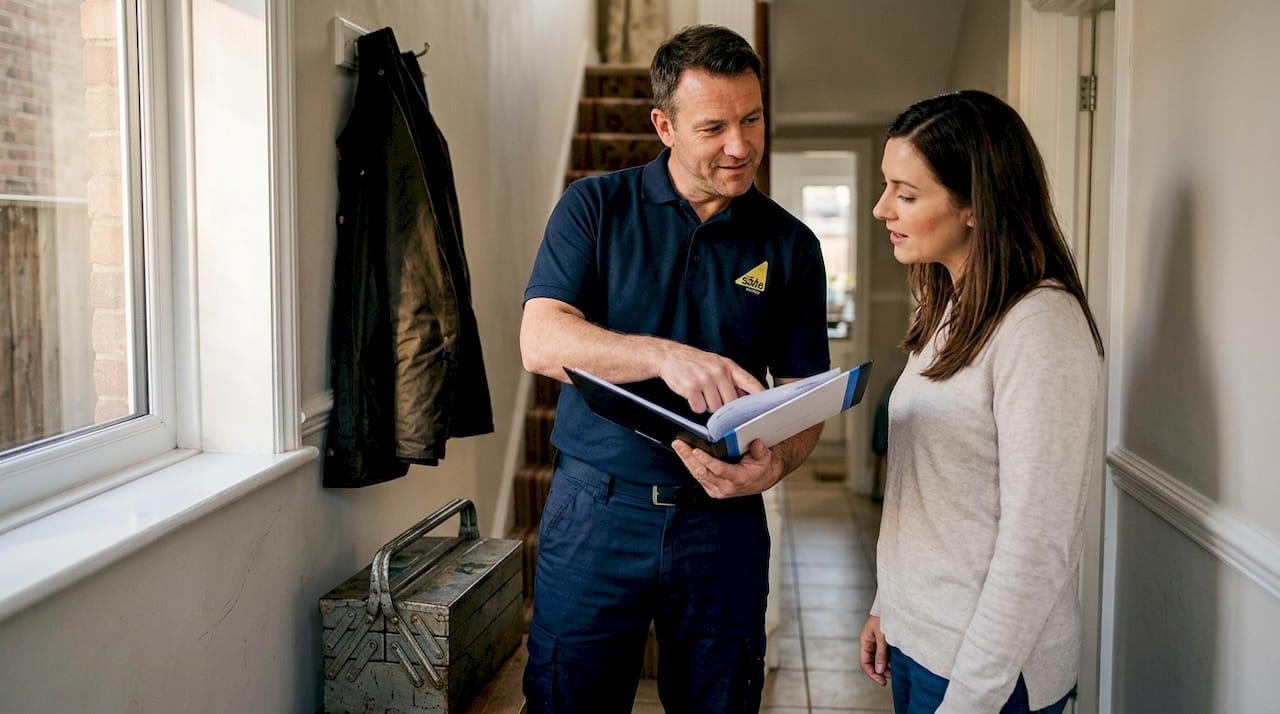
Customer testimonials and ratings provide insight into reliability and quality. Focus on reviews from trustworthy business directories like Checkatrade, Trustpilot, or local authority approved trader schemes. Be sceptical of websites with only five-star reviews or generic praise. Look for detailed accounts that mention specific challenges and how the plumber resolved them.
Red flags in reviews:
- Vague complaints about "poor service" without specifics
- Multiple mentions of surprise charges or scope creep
- Reports of incomplete work or failure to return
- Defensive or aggressive responses from the business
Request a detailed estimate before committing to any work. A professional estimate breaks down labour, materials, and any additional costs like parking or disposal fees. It should specify the work scope, timeline, and payment terms. Avoid plumbers who give rough verbal quotes or refuse to put estimates in writing. Transparent pricing builds trust and prevents disputes later.
Pro Tip: Ask how the plumber handles unexpected complications. A quality professional will explain their process for getting approval before proceeding with additional work and costs. This conversation reveals their integrity and customer focus.
Ensure the plumber offers guarantees or warranties on their work. Most reputable plumbers provide at least a 12-month warranty on labour and pass through manufacturer warranties on parts and materials. Get warranty terms in writing and clarify what's covered and what's excluded. A plumber who stands behind their work demonstrates confidence in their quality standards.
Comparison of service agreements:
| Agreement element | Minimum acceptable | Best practice |
|---|---|---|
| Labour warranty | 6 months | 12-24 months |
| Parts warranty | Manufacturer's terms | Extended coverage |
| Emergency callback | Within 48 hours | Within 24 hours |
| Payment terms | 50% deposit maximum | Staged payments |
During initial conversations, assess the plumber's communication style and professionalism. Do they listen to your concerns and ask clarifying questions? Do they explain technical issues in plain language? Clear communication during the vetting stage predicts how they'll handle problems during the job. Trust your instincts if something feels off.
Compare at least three plumbers before making a decision. This comparison helps you understand the market rate for your job and spot outliers who may be overcharging or cutting corners. Don't automatically choose the cheapest option. Balance cost against qualifications, experience, and your overall comfort level with the tradesperson.
Common mistakes to avoid when hiring a plumber and how to verify their work
Hiring solely based on the lowest price often backfires. Unusually cheap quotes suggest the plumber may be cutting corners on materials, skipping proper procedures, or lacking adequate insurance. You'll likely face additional costs when shortcuts create new problems. Focus on value rather than price alone. A slightly higher quote from a fully qualified, insured plumber with strong reviews represents better value than a bargain that leads to repeat repairs.
Costly hiring mistakes:
- Accepting verbal quotes without written confirmation
- Hiring plumbers without verified insurance or qualifications
- Paying the full amount upfront before work begins
- Ignoring negative reviews or failing to check references
- Skipping the written agreement to save time
Many homeowners face issues due to hiring unaccredited plumbers or skipping verification steps. The rush to fix a problem quickly can override common sense. Even in emergencies, take five minutes to verify Gas Safe registration and confirm insurance. Legitimate plumbers understand this need and willingly provide proof. Anyone who pressures you to skip verification or seems offended by the request should be avoided.
Beware of vague estimates or demands for full payment upfront. Professional plumbers provide itemised estimates and request reasonable deposits, typically 25-30% for materials. Full upfront payment leaves you with no leverage if the plumber disappears or delivers poor work. Stage payments tied to project milestones protect both parties and ensure work progresses satisfactorily.
"A reputable plumber will always provide a detailed written estimate, proof of insurance, and references without hesitation. If they can't or won't, that's your signal to look elsewhere."
Always inspect the workmanship upon job completion before making final payment. Check for leaks, test all fixtures, and verify that the work matches the agreed specification. Ask the plumber to walk you through what they've done and explain any changes from the original plan. This inspection catches problems whilst the plumber is still on site and motivated to fix them.
Request receipts, reports, and warranty documentation before the plumber leaves. These documents prove the work was completed to standard and provide recourse if problems emerge later. For gas work, you must receive a Gas Safe certificate confirming the installation or repair meets safety regulations. Without this certificate, your home insurance may be invalidated.
Post-job verification checklist:
- Test all repaired or installed fixtures under normal operating conditions
- Check for visible leaks or drips around work areas
- Verify water pressure and temperature are correct
- Confirm you've received all promised documentation
- Take photos of completed work for your records
Keep all contact details and warranty information in an accessible location. Create a simple file with the plumber's business card, copies of invoices, warranty certificates, and photos of the completed work. This organisation proves invaluable if you need warranty service or want to rehire the same plumber for future work. It also provides documentation if disputes arise.
Don't hesitate to raise concerns immediately if something seems wrong. Professional plumbers want satisfied customers and will address legitimate issues promptly. Delaying complaints makes resolution harder and may void warranties. Clear, direct communication protects your interests and maintains a professional relationship.
Trusted plumbing services you can count on
When you need a reliable plumber who ticks all the boxes, 777 Plumber delivers transparent, professional service across the UK. Our team holds full accreditation, comprehensive insurance, and years of hands-on experience with every type of plumbing system. We've built our reputation on clear pricing with no hidden call-out fees and a commitment to getting it right the first time.

Booking a plumber online takes minutes, and we offer flexible appointment times including emergency availability. Whether you need a local plumber in Hotwells or anywhere in Bristol and surrounding areas, our in-house technicians respond quickly without subcontracting to unknown tradespeople. Check our gallery to see the quality of our completed projects and read testimonials from homeowners who've experienced our reliable, professional approach.
How to choose a plumber UK: frequently asked questions
What qualifications should a reputable UK plumber have?
A reputable plumber should hold at least an NVQ Level 2 in Plumbing and Heating or equivalent City & Guilds certification. For gas work, current Gas Safe registration is mandatory and non-negotiable. Membership in professional bodies like CIPHE, WaterSafe, or SNIPEF indicates commitment to industry standards and ongoing professional development.
How can I verify a plumber's insurance and accreditation?
Verify Gas Safe registration directly on the official Gas Safe Register website using their registration number. Request copies of insurance certificates and contact the insurer to confirm coverage is current and adequate for your job. Check professional body membership through their online directories rather than relying solely on certificates the plumber shows you.
What is a fair price range for common plumbing repairs?
Simple repairs like tap washer replacement typically cost £60-£100 including labour. Toilet repairs range from £80-£150 depending on the issue. Pipe repairs or replacements run £150-£400 based on accessibility and materials. Emergency callouts may add £50-£100 to standard rates. Always get written estimates from multiple plumbers to understand local market rates.
Can I book a plumber for emergency repairs on short notice?
Most professional plumbing companies offer emergency services with response times of 1-4 hours. Emergency rates are typically higher than standard appointments, often 1.5-2 times the normal hourly rate. Verify emergency availability and pricing before you need it so you're not caught unprepared during a crisis.
How do I ensure warranty or guarantee on plumbing work?
Request written warranty terms before work begins and ensure they're included in your service agreement. Standard warranties cover labour for 12 months and pass through manufacturer warranties on parts. Clarify what triggers warranty coverage, any exclusions, and the process for making claims. Keep all documentation in a safe place for future reference.