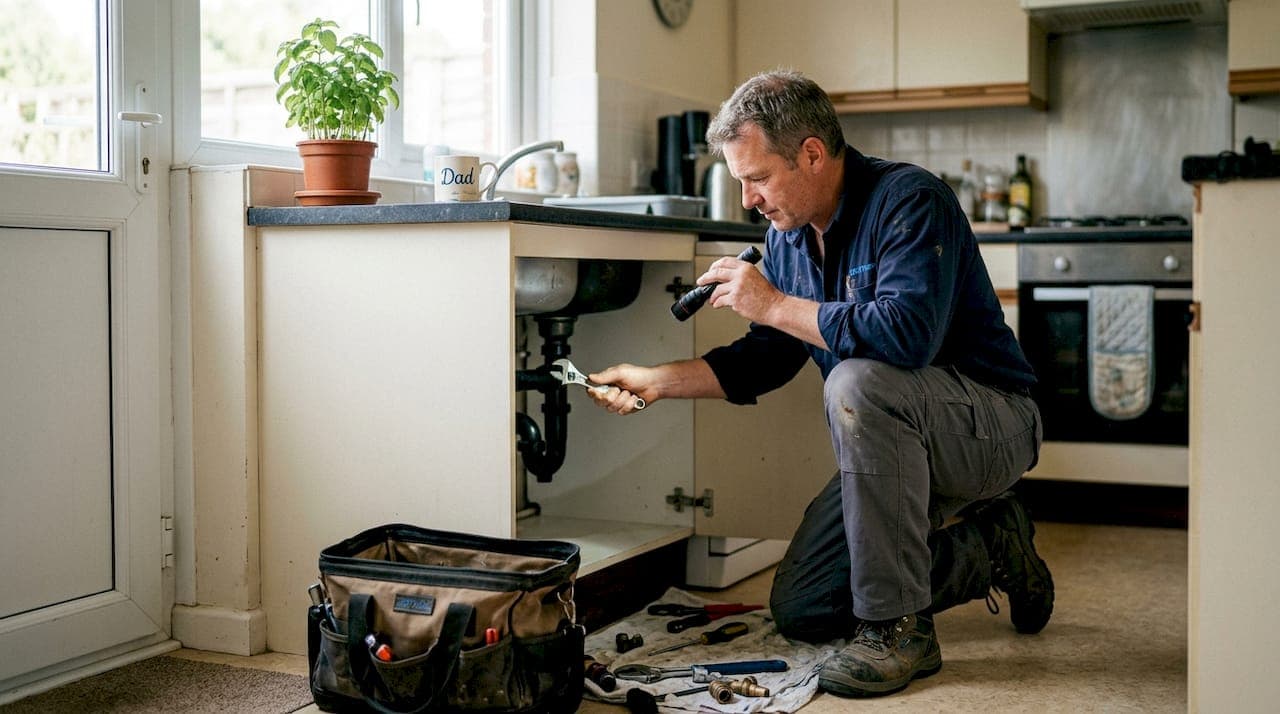
Most homeowners wait until water floods the kitchen or a pipe bursts before calling a plumber. This reactive approach might seem practical, but it often leads to expensive emergencies and extensive property damage. Annual plumbing inspections help detect issues like leaks, corrosion, and faulty systems before they cause costly damage, protecting both your home and your wallet. Regular checks ensure your plumbing operates safely, efficiently, and reliably throughout the year. This guide explains why scheduling yearly inspections with a qualified professional is one of the smartest decisions you can make as a UK homeowner.
Table of Contents
- Key Takeaways
- Understanding the necessity of annual plumbing inspections
- Common plumbing issues identified during annual checks
- Choosing a qualified plumber for your annual checks
- Practical benefits of regular plumbing maintenance for UK homeowners
- Get expert annual plumbing checks with 777 Plumber
- Frequently asked questions
Key Takeaways
| Point | Details |
|---|---|
| Annual inspections prevent crises | Regular checks detect leaks, corrosion and faulty components before they escalate, saving you from costly emergencies. |
| Maintenance boosts reliability | Regular upkeep keeps the plumbing system operating safely and efficiently throughout the year. |
| Professional checks enhance safety | Qualified plumbers assess for hazards and ensure compliance with safety standards and water efficiency. |
| Leaks detection saves water | Early identification of leaks reduces water waste and lowers utility bills. |
Understanding the necessity of annual plumbing inspections
Your home's plumbing system works silently behind walls and under floors, making it easy to forget until something goes wrong. Regular inspections uncover hidden leaks, corroded pipes, and worn components that could fail without warning. These checks give you a complete picture of your system's health before minor issues become major headaches.
Preventing emergencies saves you far more than the cost of an annual inspection. A burst pipe can flood rooms, destroy furniture, and require extensive repairs that disrupt your life for weeks. Professional inspections identify weak points in your plumbing, allowing you to address them during convenient scheduled maintenance rather than during a crisis at three in the morning.
UK safety standards require proper plumbing installation and maintenance to protect occupants from hazards like gas leaks, scalding water, and contaminated supplies. Annual checks ensure your system complies with current regulations, keeping your household safe and your property insurance valid. Many insurers actually require evidence of regular maintenance to process claims related to plumbing failures.
Inefficient plumbing wastes thousands of litres of water annually through drips, running toilets, and hidden leaks. This waste harms the environment and inflates your utility bills unnecessarily. Detection of these inefficiencies during routine inspections supports your environmental responsibility whilst saving money each month.
Professional experience proves essential for thorough evaluation because trained plumbers recognise subtle warning signs that untrained eyes miss. They understand how different materials age, which connections fail first, and where problems typically develop in UK homes. Their expertise transforms a simple visual check into a comprehensive system assessment.
Pro Tip: Schedule your annual plumbing inspection during spring or autumn when weather conditions are mild and plumbers have more availability for non-emergency work.
Key benefits of annual inspections include:
- Early identification of potential failures before they cause damage
- Extended lifespan for pipes, fixtures, and water heating equipment
- Maintained water pressure and consistent hot water supply
- Reduced risk of contamination from corroded or damaged pipes
- Documentation of system condition for insurance and property value
Common plumbing issues identified during annual checks
Yearly inspections consistently reveal problems that homeowners never suspected existed. Detecting water leaks early through routine checks can prevent extensive damage and high costs, making professional assessments invaluable. Understanding what inspectors typically find helps you appreciate the value these checks provide.
Leaks represent the most common discovery during plumbing inspections. They develop at pipe joints, beneath fixtures, and around water heater connections. Even small drips waste significant water over months whilst creating conditions for mould growth and wood rot. Corrosion affects older copper and steel pipes, gradually thinning walls until they fail. Modern plastic pipes resist corrosion but can crack if installed incorrectly or exposed to freezing temperatures.
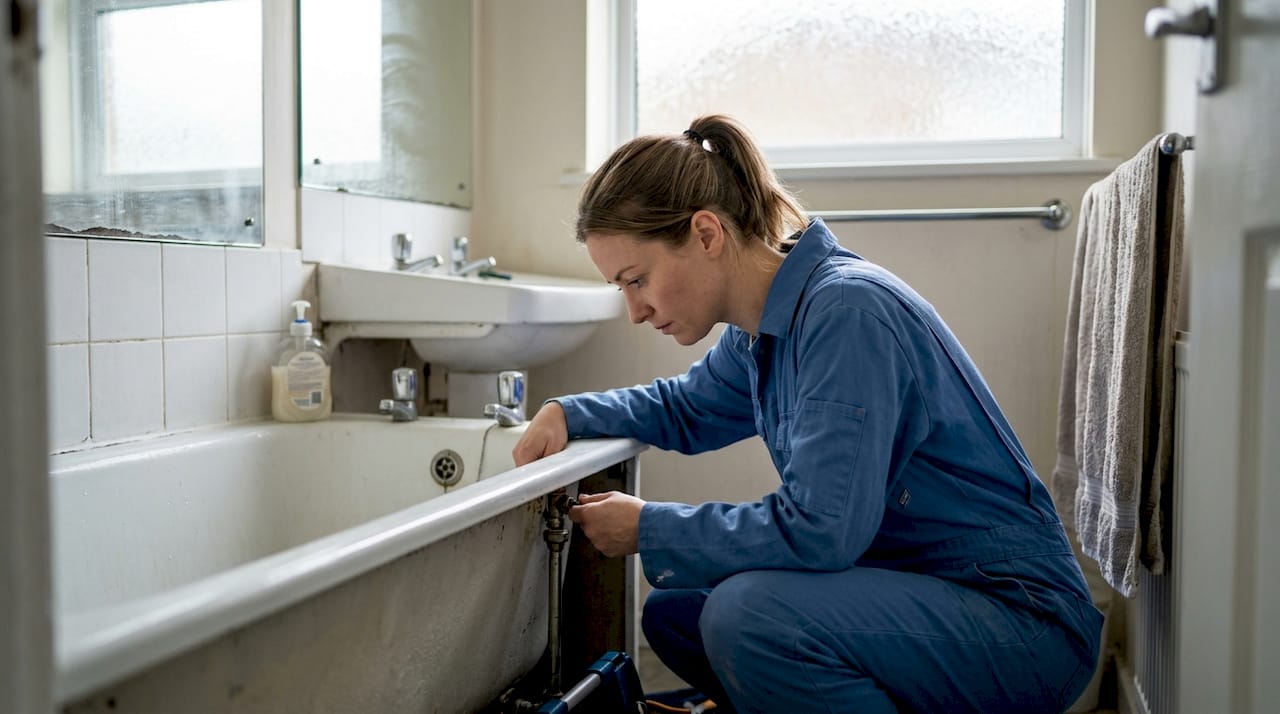
Blockages build gradually in drains and waste pipes, starting as minor slowdowns that worsen over time. Hair, soap residue, food particles, and mineral deposits accumulate until water backs up into sinks and baths. Professional inspections identify partial blockages before they become complete obstructions requiring emergency clearance. Faulty fixtures like worn tap washers, malfunctioning toilet valves, and damaged shower cartridges waste water and reduce comfort without causing obvious symptoms.
The risks these issues pose extend beyond inconvenience. Water damage from undetected leaks can compromise structural timber, damage electrical systems, and create health hazards through mould proliferation. Increased water bills often provide the first clue that hidden leaks exist, but by then significant waste has already occurred. Blockages can cause sewage backups that contaminate living spaces and require expensive cleaning.
Early discovery through annual checks facilitates inexpensive fixes that prevent escalation. Replacing a worn washer costs pounds, whilst repairing water damage from a leak that went unnoticed for months costs thousands. Simple preventive maintenance delivers exceptional return on investment.
| Common issue | Typical cause | Recommended action |
|---|---|---|
| Dripping taps | Worn washers or cartridges | Replace components during routine maintenance |
| Running toilets | Faulty flush valve or flapper | Adjust or replace internal mechanisms |
| Slow drains | Accumulated debris and buildup | Professional cleaning before complete blockage |
| Low water pressure | Corroded pipes or partially closed valves | Inspect supply lines and replace affected sections |
| Water heater noise | Sediment accumulation in tank | Flush tank and inspect heating elements |
| Visible corrosion | Age and water chemistry | Plan pipe replacement before failure occurs |
Pro Tip: Monitor your water bills for unexplained increases that might indicate hidden leaks detected only through professional inspection equipment like acoustic sensors and thermal imaging cameras.
Typical problems found during inspections:
- Pinhole leaks in copper pipes caused by water chemistry
- Loose pipe connections that will eventually fail
- Inadequate pipe insulation risking freeze damage
- Improperly vented drains causing slow drainage
- Deteriorating seals around toilets and showers
Choosing a qualified plumber for your annual checks
Selecting the right professional ensures your inspection delivers genuine value rather than a superficial glance. Using accredited professional plumbers ensures thorough inspections and adherence to UK safety standards, protecting your investment and safety. Knowing what qualifications and characteristics to seek helps you make informed decisions.
Recognised qualifications and certifications demonstrate that a plumber has completed proper training and maintains current knowledge. Look for professionals registered with organisations like the Chartered Institute of Plumbing and Heating Engineering or Gas Safe Register if your inspection includes gas appliances. These credentials verify competence and provide recourse if problems arise.
Experience with UK plumbing systems increases inspection quality because British homes present unique challenges. Older properties often contain lead pipes, imperial fittings, and unconventional layouts that require specific knowledge. Plumbers familiar with local building codes, water conditions, and common regional issues provide more relevant assessments than those trained elsewhere.
Asking for references and reviews verifies reliability before you commit to a service provider. Satisfied customers willingly share their experiences, whilst patterns of complaints reveal problems to avoid. Online reviews, testimonials on company websites, and recommendations from neighbours provide valuable insights into a plumber's professionalism and thoroughness.
Professional plumbers provide comprehensive reports documenting their findings, explaining issues in understandable terms, and recommending priorities for repairs. This documentation helps you plan maintenance budgets, provides evidence for insurance claims, and creates a maintenance history that benefits future property sales. Detailed reports demonstrate the plumber's commitment to transparency and customer service.
"Choosing an accredited plumber for annual inspections gives homeowners confidence that their plumbing systems meet safety standards and operate efficiently. Professional assessments identify problems early, preventing costly emergencies and extending system lifespan." — Industry expert on the value of qualified plumbing professionals
Qualities to seek in your plumber:
- Current insurance coverage protecting you from liability
- Transparent pricing without hidden call-out fees
- Availability for follow-up questions and advice
- Use of modern diagnostic equipment like cameras and pressure testers
- Willingness to explain findings and answer questions thoroughly
Practical benefits of regular plumbing maintenance for UK homeowners
Committing to annual inspections delivers advantages that extend far beyond avoiding emergencies. Routine plumbing maintenance contributes significantly to household safety, water efficiency, and cost-effectiveness, making it an essential aspect of responsible homeownership. Understanding these benefits helps you appreciate why prevention beats reaction.
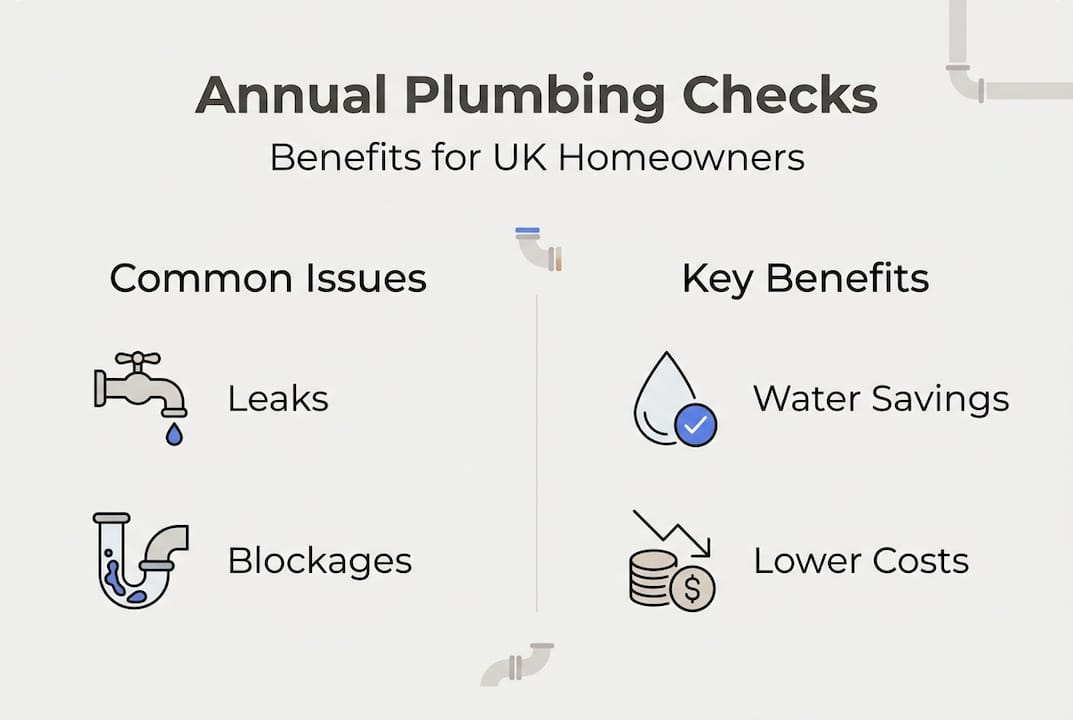
Preventing leaks protects your property from water damage that compromises structural integrity and creates health hazards. Even small leaks can saturate insulation, rot timber framing, and foster mould growth behind walls where you cannot see it developing. Annual checks catch these problems whilst repairs remain simple and affordable.
Conserving water through leak detection and efficiency improvements reduces your environmental impact whilst lowering utility bills. UK water charges continue rising, making every litre saved valuable. Fixing drips, replacing inefficient fixtures, and optimising system performance can reduce water consumption by twenty to thirty percent in typical homes.
Reducing energy usage occurs when your water heating system operates efficiently without scaling, sediment buildup, or heat loss through poorly insulated pipes. Annual maintenance ensures boilers and immersion heaters work at peak efficiency, cutting fuel costs and carbon emissions simultaneously.
Steps you can take alongside annual professional checks:
- Monitor water pressure regularly for sudden changes indicating leaks or blockages
- Inspect visible pipes quarterly for corrosion, dampness, or damage
- Test taps and toilets monthly for drips and running water
- Clear drain covers and gutters seasonally to prevent blockages
- Insulate exposed pipes before winter to prevent freeze damage
- Keep records of all plumbing work and inspections for future reference
| Approach | Annual cost | Long-term outcome |
|---|---|---|
| Regular maintenance with annual inspections | £150-£250 for inspection plus minor repairs | Predictable costs, extended system life, minimal disruption |
| Reactive repairs only | £0 until emergency occurs | Unpredictable expenses averaging £800-£2,000 per incident, property damage, stress |
The long-term financial advantages of preventive care become clear when you compare costs over five or ten years. Regular maintenance might cost £1,500 over a decade, whilst reactive homeowners often spend £5,000 or more on emergency repairs, water damage restoration, and replacement of components that failed prematurely. The comfort advantage proves equally significant because you avoid the stress and disruption of plumbing emergencies.
Pro Tip: Schedule your annual check before winter arrives to identify and address vulnerabilities that could cause freeze damage during cold weather, protecting your home when pipes are most at risk.
Get expert annual plumbing checks with 777 Plumber
Protecting your home starts with professional maintenance from experienced local plumbers who understand UK systems. 777 Plumber delivers comprehensive annual inspections that identify potential problems before they disrupt your life. Our qualified technicians examine every aspect of your plumbing, from supply lines and fixtures to drainage and water heating equipment.

We offer complete leak detection services using advanced equipment that finds hidden problems behind walls and under floors. Our maintenance programmes keep your plumbing operating reliably year-round, preventing the emergencies that damage property and drain budgets. With 24/7 availability and rapid response times, we provide the peace of mind that comes from knowing expert help is always available.
Our services cover multiple areas including Hotwells and surrounding communities, bringing professional plumbing care directly to your neighbourhood. We specialise in mains water leak detection that protects your property from costly damage. View our completed projects in the service gallery to see the quality workmanship we deliver. Book your annual inspection online today or contact our team to schedule a convenient appointment that fits your routine.
Frequently asked questions
What is included in an annual plumbing check?
A comprehensive annual plumbing inspection examines all visible pipes, connections, fixtures, and appliances connected to your water supply and drainage systems. The plumber tests water pressure, checks for leaks using specialised equipment, inspects taps and toilets for proper operation, and assesses the condition of your water heater. They also evaluate drain performance and look for signs of corrosion or wear that could lead to future problems.
How often should homeowners schedule plumbing inspections?
Most UK homes benefit from annual plumbing inspections that catch developing issues before they cause damage or emergencies. Older properties with original plumbing may require more frequent checks every six to nine months, particularly if you have noticed recurring problems. Newer homes typically need only yearly inspections unless you experience specific concerns between scheduled visits.
Can annual checks prevent emergency plumbing repairs?
Yes, regular inspections significantly reduce emergency repairs by identifying worn components, developing leaks, and potential failures whilst they remain manageable. Early detection allows you to schedule repairs at your convenience rather than responding to crises at inconvenient times. This proactive approach minimises repair costs because problems caught early require less extensive work than those left to worsen.
Are professional plumbing checks expensive?
Annual plumbing inspections typically cost between £150 and £250 depending on your property size and system complexity. This investment proves remarkably cost-effective when you consider that a single emergency repair often exceeds £800, plus potential water damage restoration costs. The savings from preventing just one major problem justify years of regular inspections, making professional checks one of the best values in home maintenance.