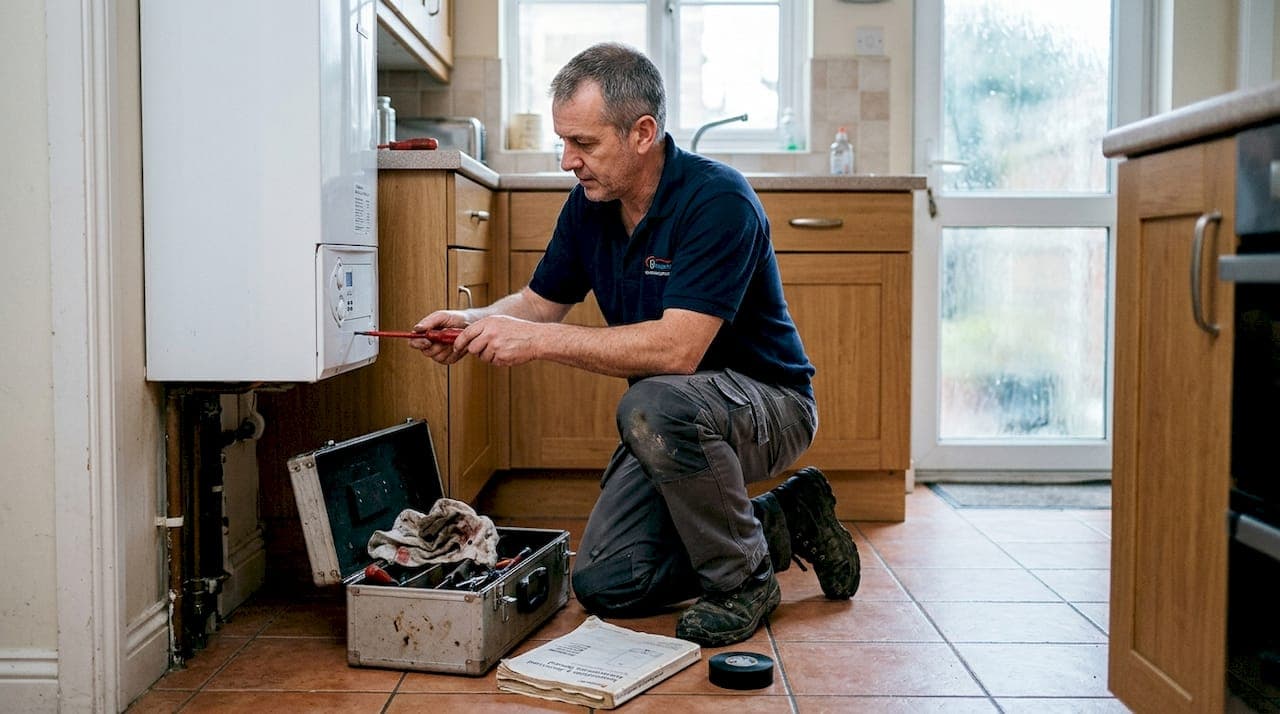
Many UK homeowners assume servicing central heating is optional since it's not legally required for them, unlike landlords. This misconception can lead to costly repairs, safety hazards, and higher energy bills. Regular servicing optimises your heating system's performance, prevents dangerous faults, and protects your insurance and warranty coverage. This article explains why servicing matters for safety, efficiency, and long-term savings, and how seasonal adjustments can further reduce your bills without sacrificing comfort.
Table of Contents
- The importance of central heating servicing
- Common reasons homeowners skip servicing and why it costs more
- How servicing improves efficiency and extends heating system life
- When and how often to service your central heating
- Trusted central heating servicing with 777 Plumber
- FAQ
Key takeaways
| Point | Details |
|---|---|
| Safety first | Servicing detects carbon monoxide leaks and fire risks before they become dangerous. |
| Lower bills | Regular maintenance improves efficiency, cutting gas consumption and reducing energy costs. |
| Avoid costly repairs | Skipping servicing leads to breakdowns and emergency repairs far more expensive than annual checks. |
| Insurance protection | Most policies require regular servicing to remain valid for claims. |
| Seasonal optimisation | Adjusting flow temperature seasonally saves energy without losing comfort. |
The importance of central heating servicing
While landlords must arrange annual gas safety checks by law, homeowners face no such legal obligation. However, insurance and warranty policies typically require regular servicing for claims eligibility. Skipping servicing can void your coverage, leaving you liable for expensive repairs or replacements.
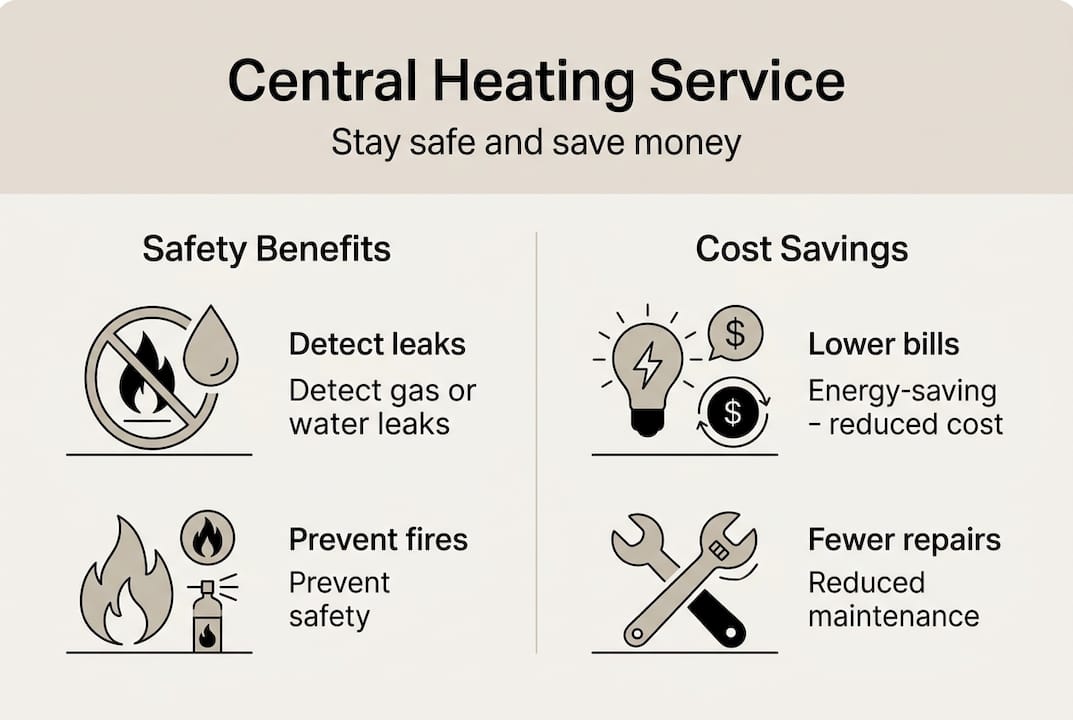
Safety is the primary reason to service your central heating. Faulty boilers and heating systems can leak carbon monoxide, an odourless, colourless gas that kills dozens of people in the UK each year. Servicing includes checking for leaks, testing safety devices, and inspecting components for wear. Your heating engineer will also examine flue systems, gas pressure, and combustion efficiency to ensure everything operates safely.
Beyond safety, servicing maintains efficiency. Boilers and radiators accumulate sludge, limescale, and debris over time, reducing heat transfer and forcing your system to work harder. This increases gas consumption and raises your bills. A well-maintained system runs smoothly, heats your home faster, and uses less energy.
Heating engineers play a crucial role in identifying issues before they escalate. They clean components, test controls, and adjust settings like flow temperature to optimise performance. Seasonal flow temperature adjustments, for example, can yield significant savings without affecting comfort.
"Regular servicing ensures your heating system operates at peak efficiency, reducing energy waste and protecting your household from preventable safety risks. Optimising flow temperature seasonally is a simple step that can save hundreds of pounds annually."
Key benefits of servicing include:
- Detecting carbon monoxide leaks and gas safety issues early
- Maintaining optimal combustion efficiency and heat output
- Preventing breakdowns during cold weather when you need heating most
- Extending the lifespan of your boiler and heating components
- Keeping insurance and warranty coverage valid
Servicing is not just about compliance or ticking boxes. It's about protecting your family, your home, and your finances. The small annual cost of servicing pales in comparison to emergency repairs, insurance claim rejections, or worse, a safety incident.
Common reasons homeowners skip servicing and why it costs more
Cost is the main barrier. A third of UK households skip boiler servicing due to upfront expense, often viewing it as unnecessary if the system appears to work fine. This short-term thinking leads to higher long-term costs.
Skipping servicing causes inefficiencies that increase energy bills. Sludge buildup, worn seals, and poorly calibrated controls force your system to consume more gas for the same heat output. Over months and years, this waste adds up to hundreds of pounds in avoidable costs. Servicing removes these inefficiencies, restoring optimal performance.
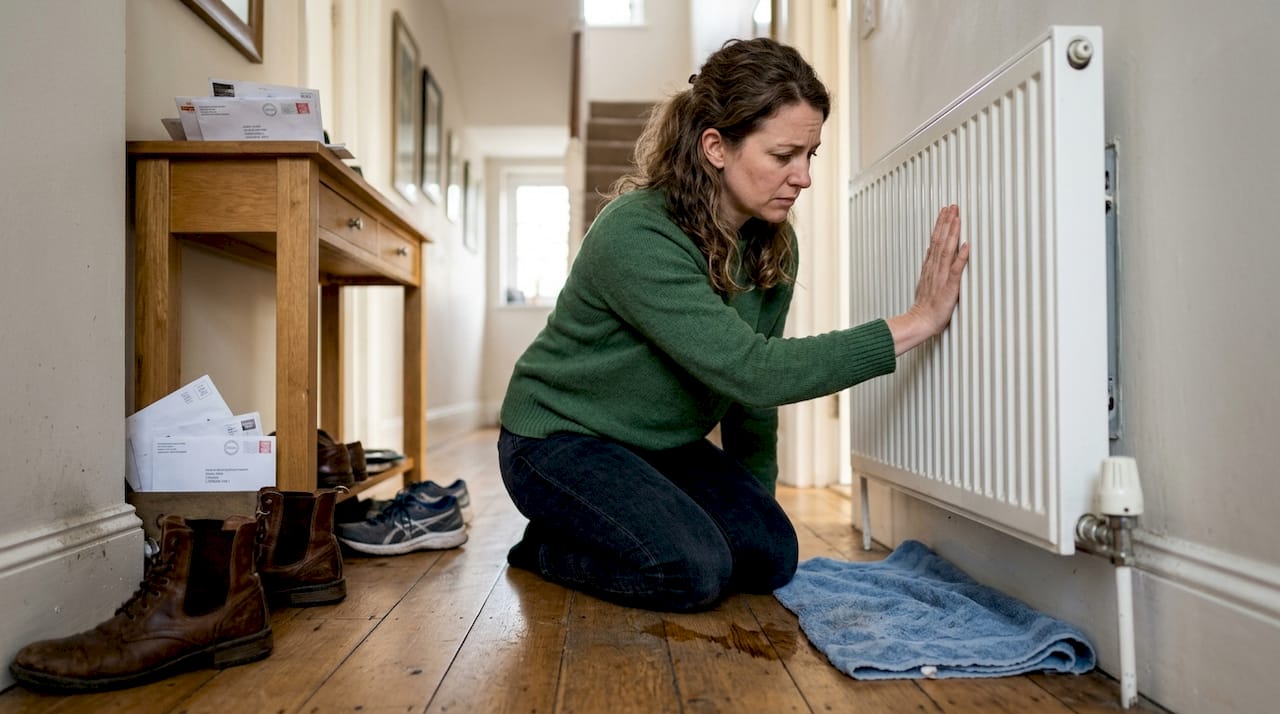
Neglected systems are far more likely to break down. Components wear faster without regular cleaning and adjustment. When a breakdown occurs, you face emergency repair callouts, often at premium rates, plus the cost of replacement parts. Emergency repairs typically cost two to three times more than preventative servicing.
Some homeowners worry about service quality or unnecessary upselling. While poor experiences do occur, they are rare when you choose accredited heating engineers. The benefits of servicing, backed by data and safety statistics, far outweigh the risks of occasional poor service. Skipping servicing entirely is a false economy.
"Homeowners who skip servicing to save money often end up spending far more on emergency repairs, higher energy bills, and shortened system lifespan. Servicing is an investment that pays for itself many times over."
Other reasons homeowners skip servicing include:
- Believing servicing is only needed when something goes wrong
- Assuming newer boilers don't require regular maintenance
- Forgetting to book appointments until winter arrives and engineers are busy
- Underestimating the importance of efficiency and safety checks
The reality is that servicing prevents problems rather than reacting to them. A well-maintained system runs reliably, efficiently, and safely. The annual cost of servicing is a small price to pay for peace of mind, lower bills, and avoiding emergency plumbing repairs that disrupt your life and drain your wallet.
How servicing improves efficiency and extends heating system life
Servicing optimises every aspect of your central heating. Engineers clean heat exchangers, flush radiators, check pumps and valves, and test controls. These tasks maintain optimal heat transfer, ensuring your system delivers maximum warmth for minimum gas consumption. Clean components work efficiently, while dirty or worn parts waste energy.
Seasonal flow temperature adjustment is a practical efficiency boost. Optimising the flow temperature seasonally (60°C in winter, lower in spring and autumn) can reduce gas consumption by up to 10% without losing comfort. Your heating engineer can set this during servicing, tailoring it to your home's insulation and heating needs.
Pro Tip: Track your gas bills before and after servicing and flow temperature optimisation. You should see measurable savings within the first billing cycle, confirming your system is running more efficiently.
Servicing extends your heating system's lifespan by reducing wear and tear. Regular cleaning prevents corrosion, limescale buildup, and component failure. Systems that receive annual servicing typically last 15 to 20 years, while neglected systems often fail within 10 years, requiring expensive replacements.
Key servicing tasks that improve efficiency and longevity:
- Cleaning the heat exchanger to restore optimal heat transfer
- Flushing radiators to remove sludge and improve circulation
- Testing and adjusting gas pressure for efficient combustion
- Inspecting seals, gaskets, and connections for leaks
- Calibrating thermostats and controls for accurate temperature management
- Checking pump operation and flow rates to ensure even heating
- Setting seasonal flow temperature for maximum efficiency
The table below compares energy consumption and costs before and after regular servicing and seasonal optimisation:
| Scenario | Annual Gas Consumption (kWh) | Annual Cost (£) | Savings (£) |
|---|---|---|---|
| No servicing, default settings | 18,000 | 1,260 | 0 |
| Annual servicing, no optimisation | 16,500 | 1,155 | 105 |
| Annual servicing with seasonal flow adjustment | 15,000 | 1,050 | 210 |
These figures assume average UK gas prices in 2026 and a typical three-bedroom home. Your savings will vary based on system age, insulation, and usage patterns, but the principle holds: servicing and optimisation reduce consumption and costs.
Understanding types of plumbing systems helps you appreciate how central heating integrates with your home's overall water and heating infrastructure. Efficient plumbing supports efficient heating, and servicing addresses both.
When and how often to service your central heating
Annual servicing is the industry standard and manufacturer recommendation. Schedule your service in late summer or early autumn, before the heating season begins. This timing ensures your system is ready for winter and avoids the rush when engineers are busiest.
Early booking offers several advantages. You secure convenient appointment times, avoid emergency callouts during cold snaps, and give yourself time to address any issues identified during servicing. Waiting until winter means longer wait times, higher demand, and the risk of breakdowns when you need heating most.
Choose accredited heating engineers to ensure quality and compliance. Look for Gas Safe registration, manufacturer training, and positive customer reviews. Accredited engineers follow industry standards, use proper tools, and provide documentation for insurance and warranty purposes. Plumbing accreditation ensures your engineer meets professional standards.
Pro Tip: Keep a servicing log with dates, engineer details, and receipts. This documentation proves regular maintenance for insurance claims and warranty coverage, and helps you track service history if you sell your home.
How to prepare for a heating service visit:
- Clear access to your boiler, radiators, and heating controls
- Note any issues like strange noises, leaks, or uneven heating
- Have your boiler manual and previous service records available
- Ask about flow temperature optimisation and seasonal adjustments
- Request a written report detailing work completed and recommendations
Questions to ask your heating engineer:
- Is my boiler operating at optimal efficiency?
- Should I adjust my flow temperature seasonally?
- Are there any components showing wear that may need replacement soon?
- How can I improve my system's efficiency between services?
- When should I book my next service?
Local services like plumber in Hotwells and plumber in Headley Park offer convenient access to qualified heating engineers familiar with your area's housing stock and common heating issues. Local engineers often provide faster response times and personalised service.
Trusted central heating servicing with 777 Plumber
When you need reliable central heating servicing, 777 Plumber delivers expert heating engineers, transparent pricing, and no-fuss appointments. Our in-house team ensures consistent quality, and our no call-out or fix-no-fee policy means you only pay for work completed. We understand the importance of regular servicing for safety, efficiency, and peace of mind.

Book a heating engineer online in minutes, or contact our local plumber in Hotwells for personalised service. We offer flexible scheduling, emergency support, and comprehensive maintenance tailored to your heating system. Our gallery showcases our work and commitment to quality.
"777 Plumber's heating engineers are professional, punctual, and thorough. They serviced our boiler, optimised the flow temperature, and explained everything clearly. Our energy bills dropped noticeably, and we have complete confidence in our system's safety and reliability."
Whether you need annual servicing, emergency repairs, or advice on improving efficiency, 777 Plumber is your trusted partner for all central heating needs. We serve homeowners across Bristol and surrounding areas, delivering the expertise and care your home deserves.
FAQ
Is servicing legally required for homeowners?
No, servicing is not legally required for homeowners, only for landlords who must arrange annual gas safety checks. However, insurance and warranty policies typically require regular servicing for coverage to remain valid. Skipping servicing can void your policy, leaving you liable for repair costs.
How long does a typical central heating service take?
Most central heating services take 60 to 90 minutes, depending on your system's size and condition. Engineers inspect, clean, and test all components, including the boiler, radiators, pumps, and controls. If issues are identified, additional time may be needed for repairs or adjustments.
Can servicing reduce my energy bills?
Yes, servicing improves efficiency by cleaning components, optimising combustion, and adjusting settings like flow temperature. Homeowners typically see 5% to 10% reductions in gas consumption after servicing and seasonal optimisation. These savings add up to hundreds of pounds annually, offsetting the cost of servicing many times over.
What happens if I skip servicing for a few years?
Skipping servicing causes sludge buildup, component wear, and reduced efficiency, leading to higher bills and increased breakdown risk. Neglected systems often fail unexpectedly, requiring expensive emergency repairs. Long-term neglect shortens your system's lifespan, forcing premature replacement. Regular servicing prevents these issues and saves money.
Do I need to be home during the service appointment?
Yes, you should be home to provide access to your boiler and heating system. Engineers may need to test controls, check radiators in different rooms, and discuss findings or recommendations with you. Being present ensures you understand any issues and can approve additional work if needed.
How do I choose a qualified heating engineer?
Look for Gas Safe registration, manufacturer training, and positive customer reviews. Accredited engineers follow industry standards, carry proper insurance, and provide documentation for warranty and insurance purposes. Local recommendations and online reviews help identify reliable professionals. Always verify credentials before booking.