TL;DR:
- Most UK homeowners neglect boiler maintenance, risking inefficiency, safety issues, and costly breakdowns.
- Annual professional servicing by a Gas Safe engineer is crucial for safety, efficiency, and warranty preservation.
Most UK homeowners treat their boiler the same way they treat their smoke alarm: they ignore it until something goes wrong. The result is predictable. An emergency call-out in January, a cold house for three days, and a bill that could have been avoided. Good boiler maintenance tips are not complicated, but they do require consistency. Gas boiler work must be carried out by a Gas Safe registered engineer, so knowing what you can handle yourself and what needs a professional is the starting point for keeping your heating system safe, efficient, and reliable all year round.
Table of Contents
- Understand the importance of professional annual servicing
- Basic DIY boiler maintenance tasks you can safely perform
- Choose the best time for your annual boiler service
- Protect your home with carbon monoxide safety and airflow care
- Compare key boiler maintenance tasks for safety and efficiency
- Why timing and simple care trump reactive repairs
- Trusted boiler maintenance services from 777 Plumber
- Frequently asked questions
Understand the importance of professional annual servicing
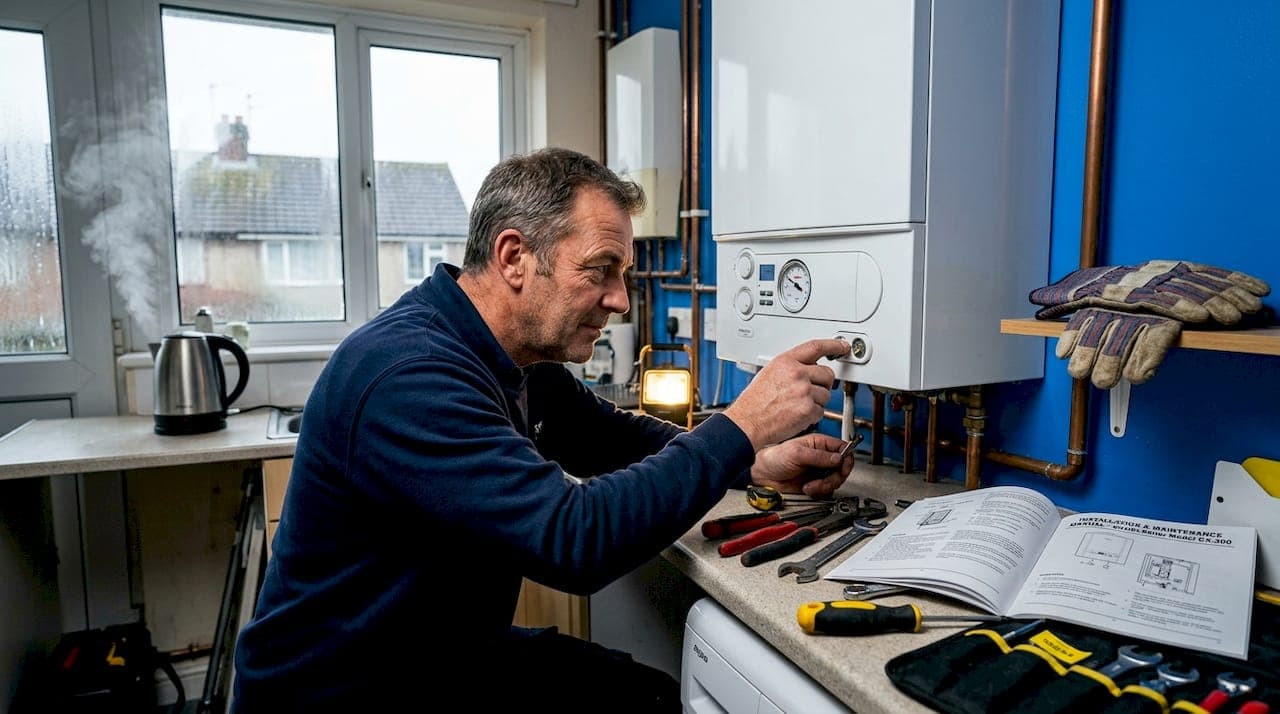
The single most impactful boiler maintenance tip any engineer will give you is this: get it serviced every year, without fail. Not every two years. Not when it starts making a noise. Every year.
All gas boilers should be serviced once a year by a Gas Safe registered engineer to ensure safe and efficient operation and to maintain manufacturer warranties. Skip a service and you may find your warranty invalidated, your insurer unsympathetic, and your boiler quietly developing faults that would have been cheap to fix six months earlier.
Here is what a qualified engineer actually does during an annual service:
- Inspects the heat exchanger for cracks or corrosion
- Checks the burner and cleans the components for efficient combustion
- Tests the flue for safe exhaust of combustion gases
- Verifies gas pressure and flow rates are within safe limits
- Checks seals, gaskets, and internal pipework for wear
- Runs a full safety check on controls and safety devices
The carbon monoxide angle is the one that should concern you most. Carbon monoxide is invisible and odourless, and a boiler developing a crack in its heat exchanger can leak it into your home without any obvious warning sign. Regular professional servicing reduces breakdown risk by detecting early faults before they become dangerous failures.
"A boiler that has not been serviced regularly is not just an inefficient boiler. It is a potential safety risk. Annual checks are the difference between a system that works quietly in the background and one that fails at the worst possible moment."
Understanding the regular boiler servicing benefits goes beyond cost. It is about having a warm, safe home when temperatures drop.
Basic DIY boiler maintenance tasks you can safely perform
There is a clear line between what a homeowner can do and what requires a Gas Safe engineer. Stay on your side of it. The good news is that several straightforward tasks genuinely improve your boiler's performance and can be done without any specialist knowledge.
-
Top up the boiler pressure. Most combi boilers operate between 1 and 1.5 bar. If yours drops below 1 bar, you can top it up using the filling loop (the small flexible hose beneath the boiler). Check your manual for the exact process. This takes five minutes and prevents your boiler from cutting out.
-
Bleed your radiators. Trapped air rises to the top of radiators and stops them heating evenly. Turn off your heating, use a radiator key to open the bleed valve slightly, and release air until water appears. This one task can noticeably cut how long your system takes to warm your home.
-
Check your thermostat and programmer settings. A surprising number of people discover their heating schedule was reset after a power cut and has been running inefficiently for months. Replace thermostat batteries annually while you are at it.
-
Keep the area around the boiler clear. Dust builds up on external casings and can be wiped down with a dry cloth. More importantly, never store boxes, coats, or cleaning products directly beside the boiler. Restricted airflow strains the unit and is a fire risk.
-
Check that radiator valves are fully open. Partially closed thermostatic radiator valves (TRVs) on several radiators force the pump to work harder than necessary.
Homeowners can safely top up boiler pressure, bleed radiators, reset the boiler, and check thermostats without needing specialist tools or qualifications. But anything involving the gas supply, internal components, or the flue system must go to a professional. No exceptions.
For further guidance on what to do when things are not working as expected, these common heating troubleshooting tips cover the most frequent issues UK homeowners face. You will also find heating maintenance essentials useful for a broader understanding of keeping your system in good shape.
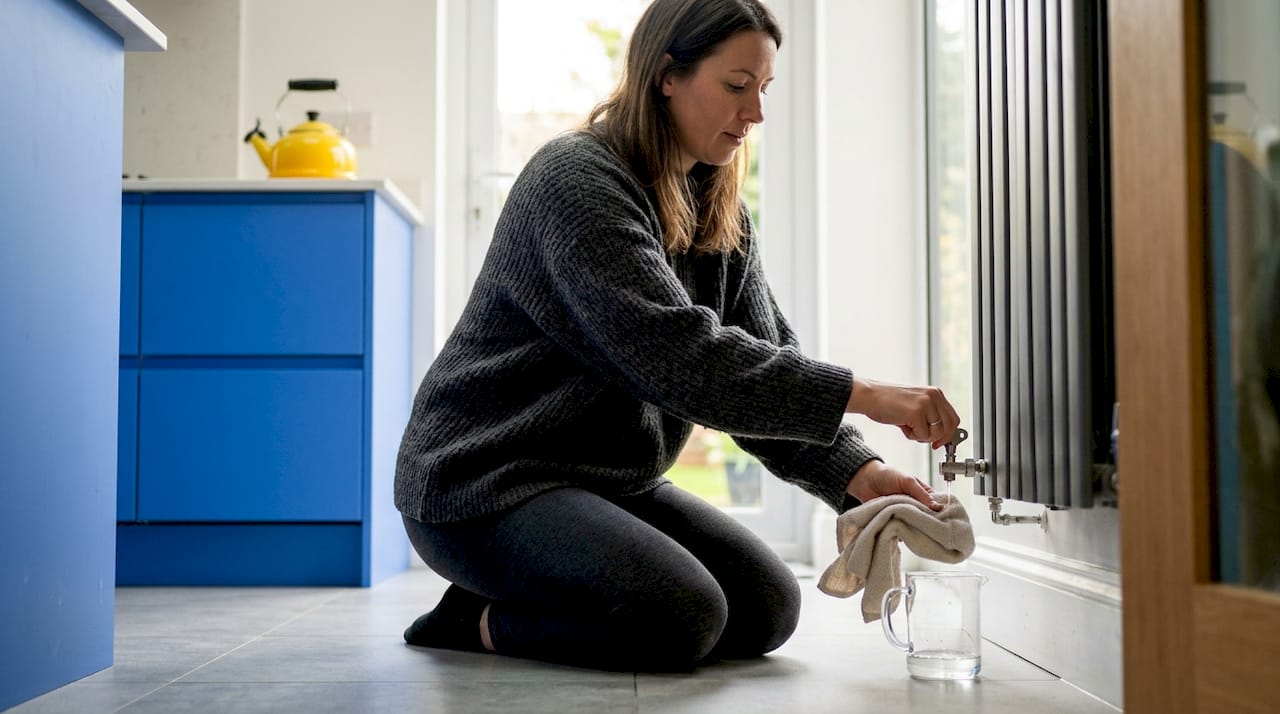
Pro Tip: Bleed your radiators in early September, before you switch the heating back on for winter. You will get better heat distribution from day one of the cold season, rather than spending weeks wondering why one room never gets warm.
Choose the best time for your annual boiler service
Timing your annual boiler service is a decision most homeowners get wrong. The majority wait until the heating season is in full swing, then struggle to book an engineer because every other household in the street has had the same idea.
Booking your boiler service in late summer or early autumn ensures your system is ready before peak demand and avoids the winter rush when engineers are stretched thin. If a fault is discovered in August, you have time to source parts and book a repair on your schedule. If the same fault appears in December, you are in a queue with everyone else and potentially facing a cold home over Christmas.
Delaying maintenance increases risks of breakdowns, higher energy bills, and a shortened boiler lifespan. The efficiency argument alone is compelling. A boiler that has not been tuned can use significantly more gas to produce the same amount of heat, and that cost accumulates every single month. See how benefits of timely boiler servicing stack up over the life of the appliance.
| Season | Pros | Cons |
|---|---|---|
| Spring | Engineers available, no winter backlog | Easy to forget once heating is off |
| Summer | Best availability, most flexible scheduling | Boiler not in use so faults may be missed in context |
| Autumn | Ideal timing before heating season | Slots fill quickly from September onwards |
| Winter | Urgent repairs can be arranged | Long waits, engineers prioritise emergencies, higher demand |
The table makes the case clearly. Spring and summer are your best windows for availability and cost. Autumn works if you book early. Winter is a last resort, not a plan.
Pro Tip: Book your annual service the week after you switch the heating off in spring. The engineer visit is fresh in your mind, availability is excellent, and you have the whole summer before you need to rely on the boiler again.
Protect your home with carbon monoxide safety and airflow care
Carbon monoxide is the risk most homeowners underestimate because it gives no obvious warning. It is colourless and odourless, detectable only with instruments, which is why relying on symptoms alone is dangerous. Headaches and nausea are often the first signs, and by that point you have already been exposed.
Here is how to build a genuine safety net around your boiler:
- Fit audible CO alarms on every floor where gas appliances are present. British Standard BS 50291 specifies what to look for. Test them monthly.
- Never block vents or air bricks that supply combustion air to your boiler. Covering them to stop a draught might feel like a sensible DIY fix, but it is a potentially fatal one.
- Check your flue terminal (the pipe or grille on your external wall or roof) is clear of debris, bird nests, and ivy. A blocked flue cannot expel combustion gases safely.
- Take any yellow or orange boiler flame seriously. A healthy gas boiler burns with a crisp blue flame. Any other colour suggests incomplete combustion and requires an immediate call to a Gas Safe engineer.
Focusing on system airflow and hydronic cleanliness, such as unblocking radiators, maintaining pressure, and bleeding trapped air, reduces boiler cycling and uneven heating throughout your home. It also puts less strain on the pump and heat exchanger, meaning fewer faults over time.
Electrical safety is another dimension of boiler care that often gets overlooked. Understanding boiler electrical safety testing is worth your time, particularly if your boiler is more than eight years old.
Pro Tip: During the heating season, do a monthly walk-round: check that CO alarms have power, that the boiler casing is clear, and that no vents are obstructed. It takes four minutes and could save your family from a dangerous situation.
Compare key boiler maintenance tasks for safety and efficiency
Understanding what each task actually does makes it easier to prioritise your efforts. Only Gas Safe registered engineers should perform internal servicing and any gas-related work. Everything else on this list you can either handle yourself or monitor and report.
| Task | Safety impact | Efficiency improvement | Who should do it | Frequency |
|---|---|---|---|---|
| Annual professional service | Critical | High | Gas Safe engineer | Yearly |
| Radiator bleeding | Low | Medium | Homeowner | Annually (pre-winter) |
| Pressure top-up | Low | Medium | Homeowner | As needed |
| CO alarm testing | Critical | None | Homeowner | Monthly |
| Vent and flue clearance check | High | Medium | Homeowner (visual only) | Monthly |
| Gas valve inspection | Critical | High | Gas Safe engineer only | During annual service |
| Thermostat and programmer check | Low | Medium | Homeowner | Annually |
| Flush and power flush | Medium | High | Qualified engineer | Every 5 to 6 years |
The table makes one thing immediately clear: the tasks with the highest safety impact are either professional responsibilities or require monthly homeowner vigilance. Efficiency improvements, meanwhile, are spread across both categories. That is why the best boiler maintenance practices always combine professional servicing with consistent homeowner care between visits.
For a deeper understanding of what qualified professionals actually bring to your home, the role of heating engineers is worth reading before your next service appointment.
Why timing and simple care trump reactive repairs
Here is an observation drawn from years of working with UK homeowners on heating systems: the ones who spend the least on boiler repairs are almost never the ones with the newest boilers. They are the ones with the most consistent maintenance habits.
Most emergency breakdowns stem from skipped or delayed maintenance leading to gradual performance loss and hidden faults. The boiler does not catastrophically fail one day from nowhere. It sends signals for months: slightly longer to heat up, a bit more pressure fluctuation, a faint noise that comes and goes. Reactive homeowners ignore these. Proactive ones book a service.
The financial case for preventative boiler maintenance is straightforward. An annual service costs somewhere in the region of £80 to £120 in most parts of the UK. An emergency call-out in winter, with parts and labour, routinely reaches £300 to £600 or more depending on the fault. You are not saving money by skipping services. You are borrowing against a larger bill later.
There is also the stress dimension, which rarely gets mentioned. Waking up to no hot water on a school morning, or having no heating for three days while you wait for a part to arrive, is genuinely disruptive. Preventive care eliminates most of that.
Treat your boiler the same way you treat your car. You would not skip an MOT and wait for the engine to fail before taking it to a garage. The logic is identical here. For actionable preventive heating care insights, read up on the early warning signs before your next heating season begins.
Pro Tip: Set a recurring calendar reminder in March each year labelled "book boiler service." That single two-second action, taken consistently, is worth more to your boiler's lifespan than any other single thing on this list.
Trusted boiler maintenance services from 777 Plumber
Knowing what good boiler maintenance looks like is one thing. Having a team you can trust to deliver it is another.

At 777 Plumber, our Gas Safe registered engineers carry out thorough annual boiler services to keep your heating safe, efficient, and warranty-compliant. We use only in-house, fully employed technicians, so the person who comes to your door is accountable to us and to you. No subcontractors, no surprises. We offer transparent pricing with no call-out fees, flexible online booking, and early summer slots that fill quickly. Whether you need an annual service, a pressure inspection, a safety check, or something more involved such as mains water leak detection, we handle it all. Book your service now and arrive at winter fully prepared.
Frequently asked questions
Can I perform any boiler maintenance tasks myself safely?
Yes. UK homeowners can safely bleed radiators, top up boiler pressure using the filling loop, check thermostat settings, and clean around the external casing, but homeowners should never attempt gas or internal repairs, which are both dangerous and illegal without Gas Safe registration.
Why is annual boiler servicing by a Gas Safe engineer so important?
Annual servicing keeps your boiler operating safely and efficiently, preserves your manufacturer warranty, and reduces the risk of carbon monoxide exposure. All gas boilers should be serviced yearly by a Gas Safe registered engineer without exception.
When is the best time to get my boiler serviced?
Late summer or early autumn is ideal. Booking before peak demand ensures your boiler is ready for winter, gives you access to the best engineer availability, and means any faults are fixed on your terms rather than in an emergency.
How can I protect my family from carbon monoxide poisoning related to boilers?
Fit audible CO alarms on every floor near gas appliances and test them monthly. Carbon monoxide is colourless and odourless, so alarms, annual servicing, and unobstructed vents and flues are your most important layers of protection.
What signs indicate my boiler needs urgent professional servicing?
Unusual noises such as banging or whistling, a yellow or orange pilot light instead of blue, repeated pressure drops, rising heating bills, or rooms that take much longer than usual to warm up are all warning signs often indicating that your boiler needs a Gas Safe engineer promptly.