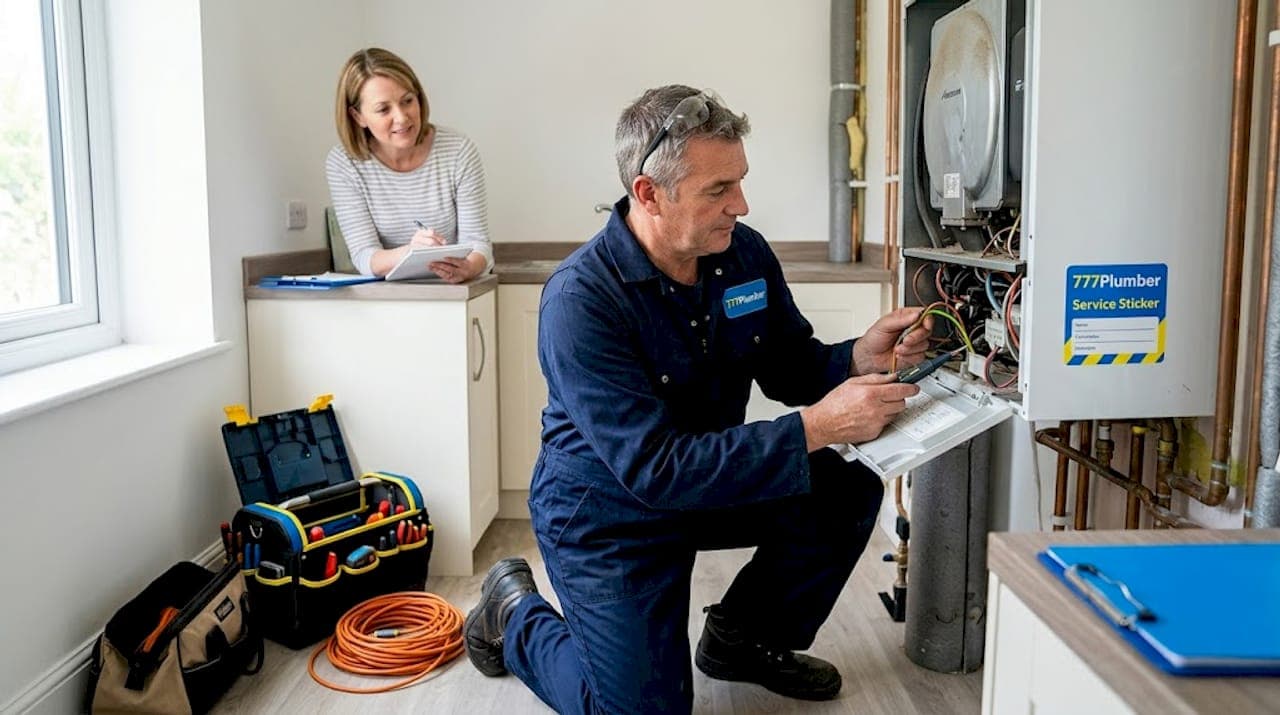
TL;DR:
- Boiler electrical faults can develop silently and pose serious safety risks if not regularly tested and maintained.
- UK law mandates that fixed electrical installations, including boiler wiring, be inspected annually to prevent hazards.
Your boiler fires up every morning, the radiators warm the rooms, and everything seems perfectly fine. But here is the uncomfortable truth: a boiler can be heating your home reliably while carrying hidden electrical faults that are quietly building towards a dangerous failure. Most UK homeowners never consider this possibility until something goes visibly wrong, and by that point, the consequences can range from an expensive emergency repair to a genuine safety crisis. This article covers what boiler electrical testing actually involves, what UK law says, the very real risks of skipping it, and the practical steps every homeowner should take now.
Table of Contents
- Understanding boiler electrics and why they matter
- Legal requirements and UK guidance for boiler electrical safety
- Risks and hazards prevented by regular electrical testing
- How often should you test your boiler electrics?
- What to expect during a professional boiler electrical test
- The overlooked costs of neglecting boiler electrical tests
- Protect your home: Book expert boiler testing today
- Frequently asked questions
Key Takeaways
| Point | Details |
|---|---|
| Regular testing is vital | Annual boiler electrical checks catch hidden dangers before they cause real harm. |
| Legal and safety duties | UK law and guidance demand proper boiler electrical maintenance for all homeowners. |
| Prevention saves money | Testing reduces expensive repairs and prevents emergencies. |
| Professional checks are best | A certified inspection identifies faults you can’t easily spot yourself. |
Understanding boiler electrics and why they matter
Modern boilers are not simply gas-powered flame boxes. They are sophisticated pieces of equipment that rely on a network of electrical components to function safely and efficiently. The printed circuit board controls ignition sequences, pumps, and safety lockouts. Sensors monitor pressure, temperature, and gas flow. Wiring connects every component to your home's electrical supply. When any part of this electrical infrastructure deteriorates, the consequences are not just inconvenience — they can be genuinely hazardous.
The role of heating engineers is partly to identify exactly these kinds of hidden faults before they escalate. A fault in a boiler's wiring does not usually announce itself loudly. Corroded terminals, loose connections, or degraded insulation can sit undetected for months or years while the boiler continues to operate. By the time a fault becomes visible — a tripped circuit breaker, scorch marks on the casing, or a sudden breakdown — the problem has often already become serious.
Common boiler electrical issues include:
- Corroded or loose wiring terminals that cause intermittent faults and electrical arcing
- Degraded insulation on internal cables that can create short circuits
- Faulty printed circuit boards that misread sensor signals and cause unsafe operation
- Earthing failures that leave metal components live to the touch
- Damaged thermostats or sensors that cause the boiler to overheat or fail to shut down safely
"Electrical testing identifies deterioration and hidden defects, supporting UK guidance to maintain all electrical installations and prevent danger."
Understanding the plumbing regulations for homeowners that sit alongside electrical safety obligations helps you see the full picture of your legal and practical responsibilities as a homeowner. Boiler electrics sit at the intersection of gas safety, electrical safety, and building regulations — making them an area where professional oversight genuinely matters.
Legal requirements and UK guidance for boiler electrical safety
UK law is clear on this point. Electrical equipment in homes must be maintained in a condition that prevents danger. This obligation does not just apply to your plug sockets and fuse box; it extends to every fixed electrical installation in your home, which absolutely includes the wiring that feeds your boiler and the electrical components within it.
Understanding UK plumbing regulations gives homeowners a useful starting point, but electrical safety has its own distinct legal framework. The Electricity at Work Regulations 1989 place a duty on those responsible for electrical systems to ensure they are maintained safely. For homeowners, this translates into an obligation to arrange regular inspection and testing of fixed electrical installations, including those associated with heating systems.
Here is a comparison of inspection types and what they cover in a domestic setting:
| Inspection type | What it covers | Who carries it out | Recommended frequency |
|---|---|---|---|
| Electrical Installation Condition Report (EICR) | All fixed wiring in the home | Qualified electrician | Every 10 years (or at change of occupancy) |
| Boiler electrical check | Boiler-specific wiring and components | Heating engineer or electrician | Annually (alongside service) |
| Gas safety check | Gas connections and combustion | Gas Safe registered engineer | Annually |
| Combined boiler service | Gas, electrical, and mechanical | Qualified heating engineer | Annually |
Important statistic: According to HSE safety guidance, UK law requires electrical equipment in homes to be maintained to prevent danger, with checks and inspections tailored to the equipment, its age, and the environment in which it operates. This is not a one-size-fits-all requirement — it must be risk-proportionate.
Key legal and regulatory points every homeowner should know:
- The Electricity at Work Regulations 1989 apply to all electrical systems in the home, including boiler electrics
- Building Regulations Part P covers electrical work in dwellings and requires certain work to be certified
- The Gas Safety (Installation and Use) Regulations 1998 govern boiler installation and annual gas safety checks
- Manufacturers' warranties typically require annual servicing, which includes electrical checks, to remain valid
Following heating maintenance guidance helps you stay on top of your obligations across all these overlapping frameworks without feeling overwhelmed.
Risks and hazards prevented by regular electrical testing
The case for regular electrical testing becomes very concrete when you look at what can go wrong without it. Neglect is rarely dramatic at first. It is a slow process of deterioration: a cable rubs against a bracket for years, insulation breaks down, and one cold winter morning your boiler's electrics fail — or worse.
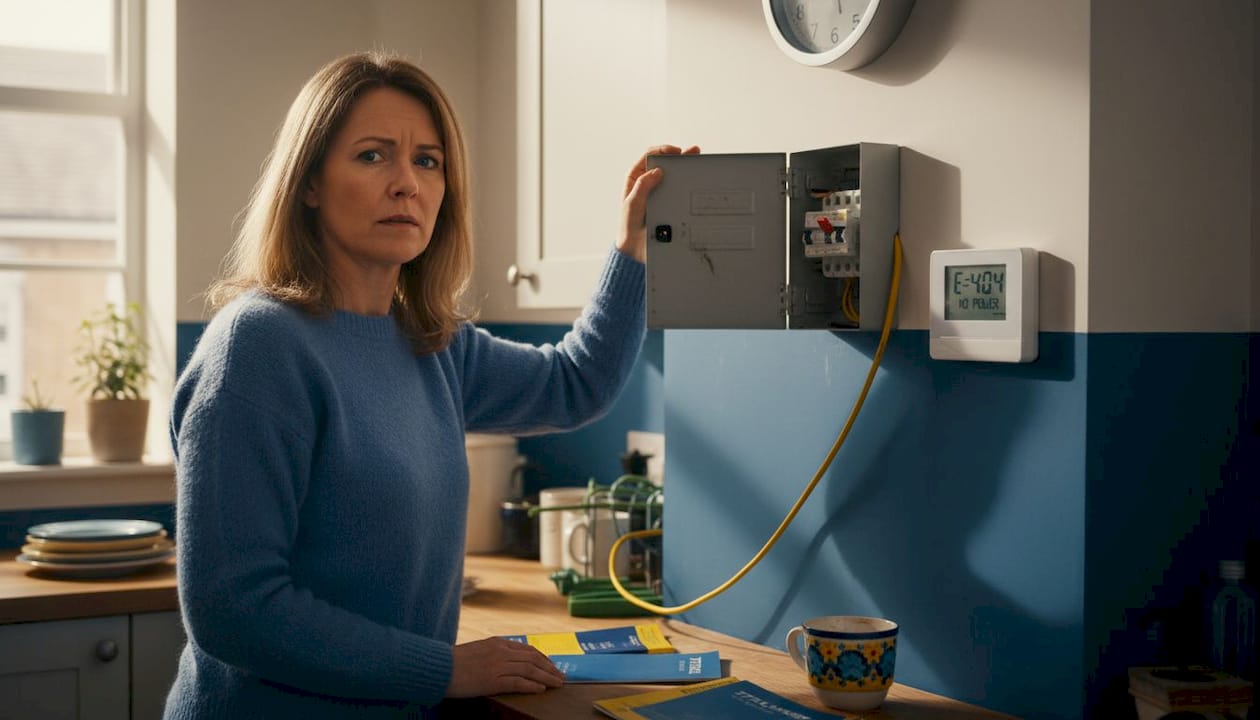
The table below shows the most common electrical hazards associated with boiler systems and the likely outcome if they go undetected:
| Hazard | Cause | Potential outcome |
|---|---|---|
| Wiring arcing | Loose terminals or damaged insulation | Fire risk within boiler casing |
| Earthing failure | Corroded earth connections | Electric shock from metal surfaces |
| PCB overheating | Component failure or poor ventilation | Boiler shutdown or fire |
| Thermostat fault | Sensor degradation | Boiler overheating or underheating |
| Pump electrical fault | Wiring deterioration | Loss of central heating and hot water |
As the HSE highlights, failure to routinely inspect and test electrical equipment can mean hidden deterioration leads to danger. This is not regulatory language for its own sake — it reflects the real pattern of how electrical incidents develop.
The regular boiler servicing benefits that homeowners gain go well beyond a certificate: they include catching exactly these kinds of faults at a stage when the fix is straightforward and inexpensive. Similarly, servicing central heating as a whole system, rather than treating the boiler in isolation, provides an even more robust safety net.
Here is how regular electrical testing prevents the most common dangerous outcomes:
- Prevents electrical fires by identifying arcing and degraded insulation before ignition occurs
- Eliminates shock risk by confirming that earthing connections are secure and effective
- Avoids carbon monoxide danger by ensuring safety sensors and automatic shut-off devices are functioning correctly
- Extends boiler lifespan by catching component faults early, before they cause secondary damage
- Protects warranty validity since most manufacturers require annual professional checks
Pro Tip: If your circuit breaker trips when your boiler starts up, do not simply reset it and carry on. A tripping breaker is your home's electrical system signalling a fault. Call a qualified heating engineer or domestic electrician to investigate before operating the boiler again.
How often should you test your boiler electrics?
This is one of the most practical questions homeowners ask, and the honest answer is: it depends on your specific situation. However, there is clear guidance to help you make an informed decision.
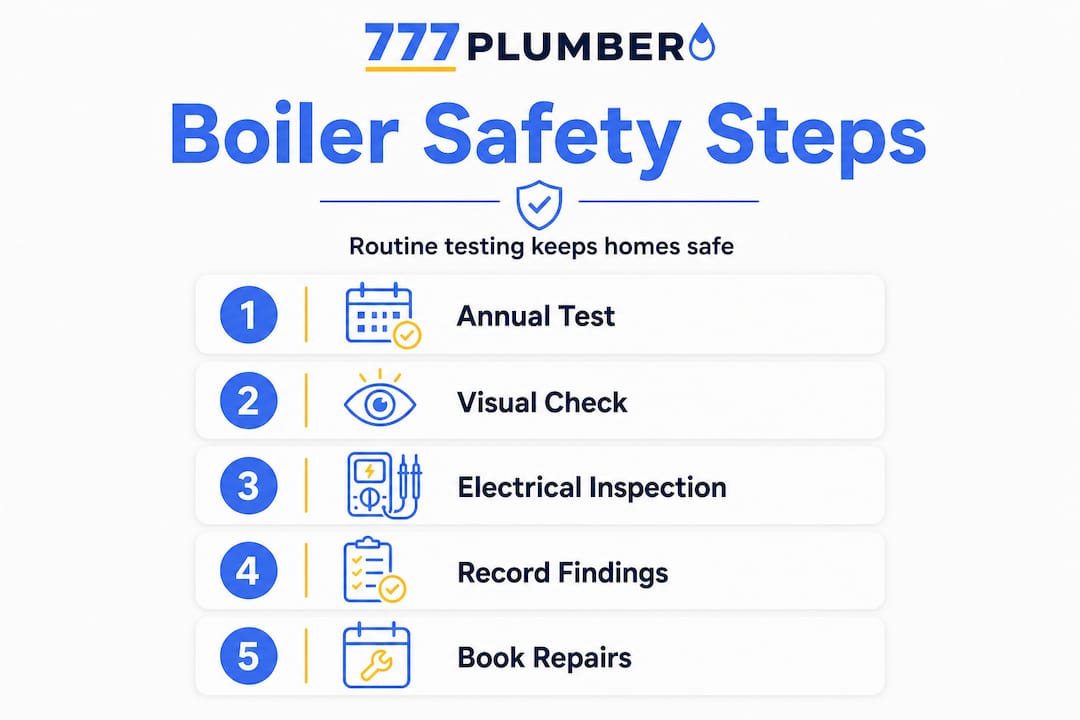
For most homes, annual testing is the sensible baseline. Booking a boiler electrical check at the same time as your annual boiler service is the most efficient and cost-effective approach. The engineer is already on-site, the equipment is accessible, and any issues can be addressed in a single visit. Combining these checks also means you are less likely to let either one slip.
HSE guidance is clear that the frequency and type of inspection or test depends on the equipment, its environment, and previous test results. This means your testing schedule should be personalised rather than a rigid calendar rule.
Factors that may mean you need more frequent testing:
- Boiler age over 10 years: Older components deteriorate faster and carry higher fault risk
- Previous electrical faults: Any history of tripped breakers or intermittent issues warrants increased vigilance
- Damp or humid environment: Boilers in bathrooms or poorly ventilated utility rooms face accelerated corrosion risk
- High-demand households: Boilers working harder for longer each day accumulate wear more quickly
- Recent DIY electrical work: Any work near the boiler's circuit should be followed by a professional check
- Change of property: If you have moved into a home without records of recent electrical testing, book a check immediately
Alongside regular annual plumbing checks, a boiler electrical inspection gives you a complete picture of your home's mechanical and electrical health each year.
Keeping a written record of every inspection is essential. Your report provides proof of compliance for insurance purposes, helps engineers spot trends over multiple visits, and gives you a clear history to pass on to future occupants or buyers.
Pro Tip: Store your boiler service and electrical inspection reports together in a single folder, whether paper or digital. If you ever make an insurance claim related to your heating system, these records can make a significant difference to the outcome.
What to expect during a professional boiler electrical test
Many homeowners avoid booking a test simply because they do not know what to expect. The process is actually straightforward, non-invasive, and typically completed within an hour when combined with a standard boiler service.
Understanding how plumbing ensures home safety as part of a wider maintenance culture helps frame the electrical test as one component of a logical whole. Professional inspection and testing of fixed wiring is part of minimising deterioration that can lead to danger in domestic installations — and that applies directly to your boiler's electrical circuits.
A typical boiler electrical test follows these steps:
- Visual inspection: The engineer examines the boiler casing, visible wiring, and connections for signs of damage, corrosion, or overheating
- Continuity testing: Checks that electrical circuits are complete and connections are secure throughout the boiler
- Insulation resistance testing: Confirms that cable insulation has not degraded to a point where current could leak or arc
- Earth continuity check: Verifies that all metal parts of the boiler are properly earthed to prevent shock risk
- Functional testing of safety devices: Tests the pressure relief valve, overheat thermostat, and automatic shut-off to ensure they operate correctly
- Supply voltage check: Confirms the boiler is receiving the correct voltage from your home's electrical supply
- Written report: A detailed record of findings, pass or fail status, and any recommended remedial work
Pro Tip: Ask to see the written report at the end of every test. A good engineer will walk you through the findings and explain any recommendations in plain language. If they cannot explain what they found, ask them to.
The overlooked costs of neglecting boiler electrical tests
Here is the perspective that most articles on this subject miss entirely: the real cost of neglecting boiler electrical tests is not the fine or the failed compliance check. It is the 2am emergency callout when your boiler stops working on the coldest night of the year, the insurance claim that gets disputed because you have no records of maintenance, and the sleepless night wondering whether a fault in your heating system put your family at risk.
We have seen homeowners pay significantly more to fix problems that a routine check would have caught for a fraction of the cost. A loose connection that costs almost nothing to tighten during a scheduled visit can become a failed PCB costing several hundred pounds when left to deteriorate. That is the real financial argument for annual testing, and it is far more compelling than any regulatory requirement.
As HSE guidance warns, neglected electrics increase the risk of hazardous situations arising from deterioration or defect. But beyond the safety point, there is an emotional dimension that homeowners rarely consider until after an incident. The knowledge that you have kept your home maintained to a professional standard gives you a quiet confidence that no amount of reactive fixing can replicate.
The savings and safety benefits of routine maintenance are consistently underestimated. A boiler that is properly maintained electrically and mechanically runs more efficiently, costs less to operate, and lasts several years longer than a neglected equivalent. The return on investment from regular testing is not hypothetical — it is measurable in lower energy bills, avoided repair costs, and extended equipment life.
Our view is simple: legal compliance is the floor, not the ceiling. The homeowners who benefit most from electrical testing are not the ones who do it because they must. They are the ones who do it because they understand what is at stake for their household.
Protect your home: Book expert boiler testing today
Taking action on boiler electrical testing does not need to be complicated. The most important step is simply to book with a qualified, professional team who can carry out a thorough inspection and give you a written report you can rely on.

At 777 Plumber, our fully employed, in-house engineers carry out boiler electrical checks and full heating system services with no call-out fees and transparent pricing from the start. We do not use subcontractors, so you know exactly who is coming to your home and exactly what standard of work to expect. Whether you are booking an annual check or responding to a concern, arrange your inspection with us today and get the peace of mind every UK homeowner deserves.
Frequently asked questions
Is electrical testing for boilers a legal requirement in the UK?
UK law requires maintenance to prevent electrical danger, which means homeowners have a legal obligation to keep all fixed electrical installations, including boiler electrics, in a safe condition through regular testing.
How do I know if my boiler's electrics are faulty?
Warning signs include tripped fuses, unusual noises, scorch marks, or inconsistent heating performance, but many faults are invisible without testing. Electrical testing checks for hidden defects and deterioration that visual inspection alone cannot identify.
What's included in a professional boiler electrical test?
A professional test covers physical inspection, insulation resistance testing, earth continuity checks, safety device functional tests, and a written report. Professional inspection and testing is specifically designed to prevent danger from deterioration in domestic installations.
How often should I book a boiler electrical inspection?
Annual checks are the recommended baseline for most UK homes, with inspection frequency adjusted upwards for older boilers, previous faults, or damp environments where corrosion risk is higher.