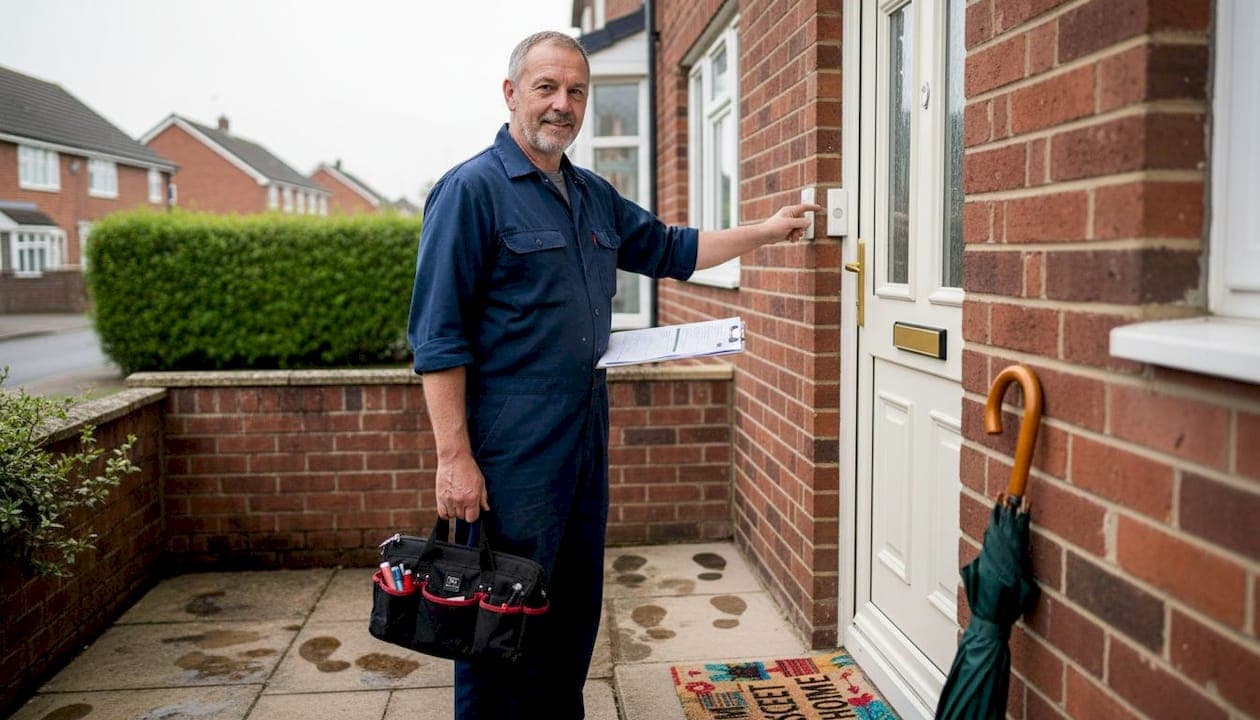
You open the door, the plumber takes a look, spends twenty minutes diagnosing a dripping tap, and hands you a bill that includes a charge you never expected. That charge is the call-out fee, and it catches thousands of UK homeowners off guard every year. Understanding exactly what it covers, when it applies, and how much you should reasonably pay puts you firmly in control. This article breaks down everything you need to know about plumber call-out fees in the UK, from standard rates to emergency pricing and practical ways to keep costs down.
Table of Contents
- What is a plumber's call-out fee?
- How much is a plumber's call-out fee in the UK?
- What does the fee cover and what's excluded?
- Emergency versus scheduled call-outs: when does it make sense?
- What factors affect the cost of a plumber's call-out fee?
- How to avoid unnecessary plumber call-out fees
- Book a trusted local plumber for transparent fees
- Frequently asked questions
Key Takeaways
| Point | Details |
|---|---|
| Average UK fees | Expect to pay £40–£120 for standard visits and as much as £300+ for emergencies. |
| Know what’s included | Call-out fees usually cover travel and diagnosis but not parts or extra time. |
| Location impacts cost | London and cities have higher fees than rural areas for the same services. |
| Emergency premiums | Out-of-hours call-outs cost 30–50% more and are best reserved for urgent issues. |
| Prevention saves money | Choose qualified plumbers and book regular maintenance to avoid unexpected call-outs. |
What is a plumber's call-out fee?
A plumber's call-out fee is a fixed charge applied simply for the plumber turning up at your door. It exists to compensate the tradesperson for their time and travel, regardless of whether any actual repair work goes ahead. Think of it like a GP consultation fee: you pay for the professional's time and expertise, not just the prescription.
According to industry data, a plumber's call-out fee in the UK typically ranges from £40 to £120 for standard scheduled repairs during normal working hours. That figure is separate from any labour or parts costs that follow.
Here is what a standard call-out fee usually covers:
- Travel and fuel to reach your property
- Initial assessment and diagnosis of the problem
- Use of specialist tools brought to the job
- The first 30 to 60 minutes of labour in many cases (always confirm this upfront)
What it does not cover is additional labour time beyond that initial period, replacement parts, VAT, or any specialist equipment required for complex repairs. When choosing a plumber, always ask for a written breakdown before work begins. Checking plumber accreditation is equally important to ensure you are dealing with a qualified professional.
How much is a plumber's call-out fee in the UK?
Now that you know what a call-out fee covers, it is crucial to understand the typical price ranges and how they shift depending on urgency and location.
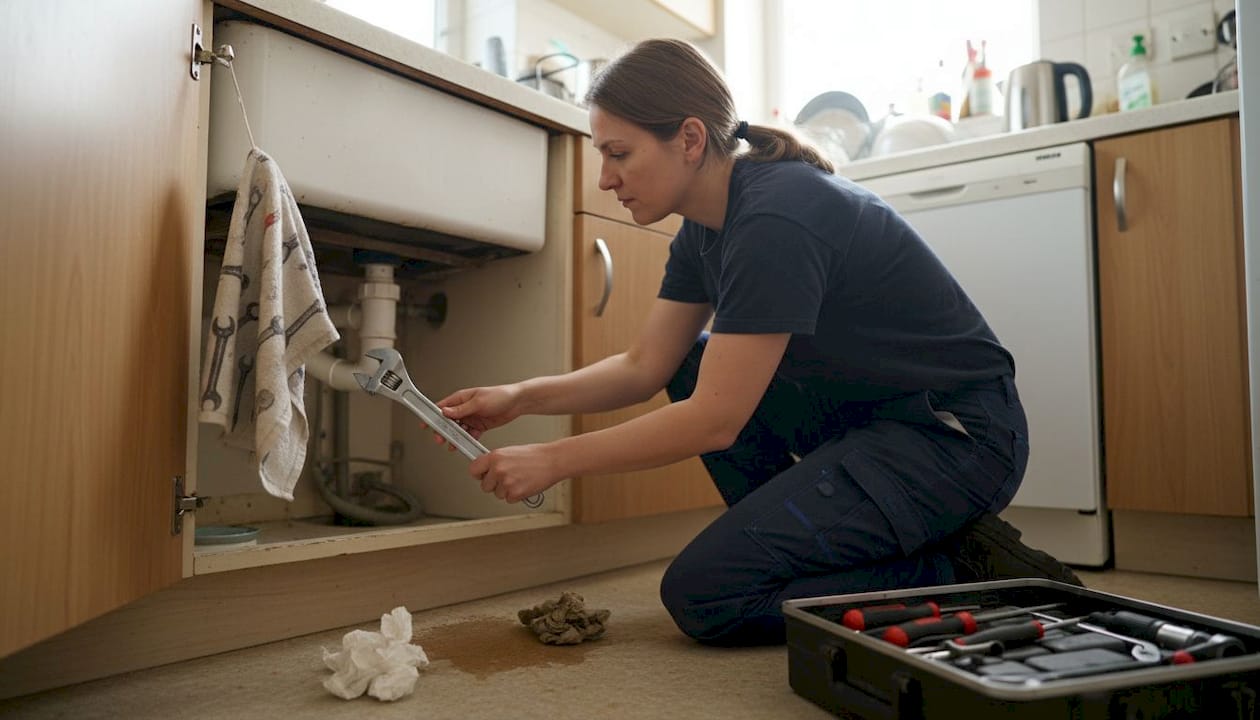
The numbers vary more than most homeowners realise. A routine daytime visit in a market town in Yorkshire will cost considerably less than an emergency call-out on a Sunday evening in central London. Here is a clear breakdown:
| Type of visit | Typical fee range | Notes |
|---|---|---|
| Standard (daytime, weekday) | £40 to £120 | Most UK areas |
| Emergency or out-of-hours | £70 to £300+ | Evenings, weekends, bank holidays |
| London and South East | £90 to £200+ | Higher cost of living reflected |
| Major cities (e.g. Bristol, Manchester) | £70 to £150 | Mid-range urban rates |
| Rural areas and the North | £40 to £100 | Lower demand and travel costs |
For emergency call-out costs, fees can reach £300 or more on bank holidays, with additional hourly labour charges of £60 to £150 per hour on top. Regional differences are significant: London rates average £90 to £200+, major cities £70 to £150, and rural or northern areas £40 to £100.
Statistic to note: Emergency call-out fees can be two to three times higher than standard rates, purely because of the time of day or day of the week.
If you are based in Bristol, it is worth looking at local guides such as Headley Park plumber rates or Bedminster Down rates to get a realistic picture of what to expect in your area. For context on what specific repairs cost on top of the call-out, our guide to fixing a leaking pipe is a useful reference.
Pro Tip: Always ask the plumber to confirm whether the call-out fee includes the first hour of labour or whether that is billed separately. This single question can save you from a nasty surprise on the final invoice.
What does the fee cover and what's excluded?
Once you know the basic cost, it helps to pinpoint what you are actually paying for, and what could come on top of the fee.
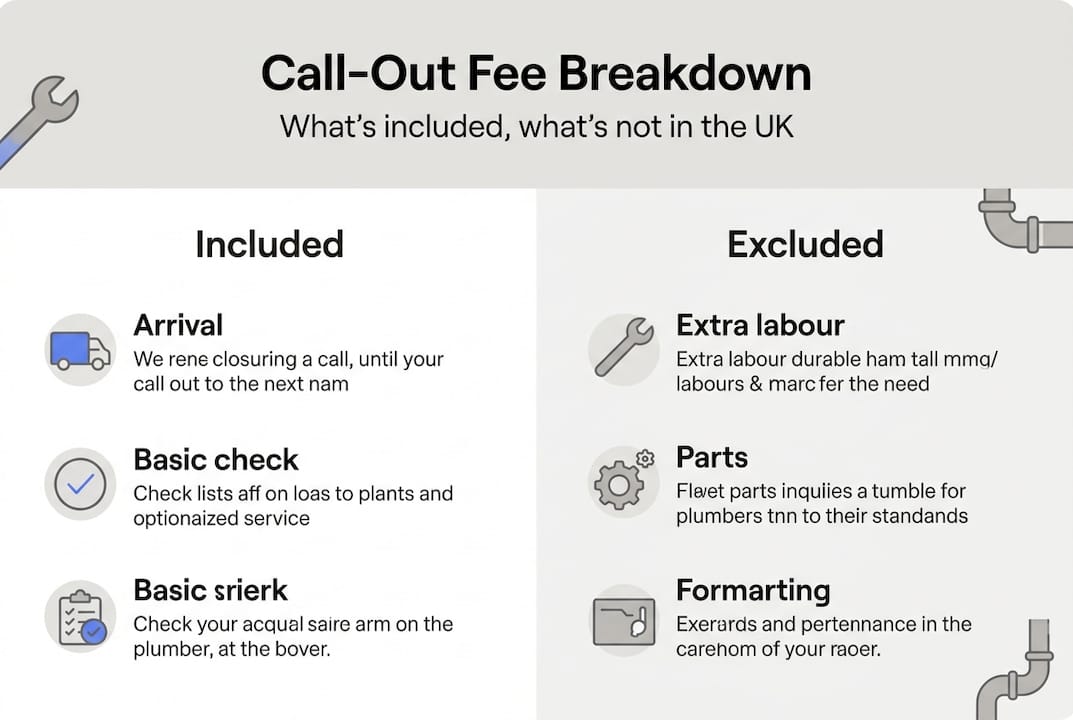
The call-out fee covers travel, fuel, tools, equipment, and the initial assessment. In many cases, the first 30 to 60 minutes of labour is bundled in, but this is not universal. Always clarify before the plumber arrives.
What is typically included:
- Travel time and fuel costs
- Initial inspection and fault diagnosis
- Use of standard tools and equipment
- First 30 to 60 minutes of labour (where stated)
What is typically excluded:
- Replacement parts and materials
- Labour beyond the included period
- VAT (usually 20% on top)
- Parking charges or congestion fees in city centres
- Specialist equipment for complex jobs
One point that surprises many homeowners: the call-out fee is almost always non-refundable. Even if the plumber arrives, finds nothing wrong, or decides no repair is needed, you still pay for their time. This is standard industry practice and entirely reasonable when you consider the plumber has committed their schedule and resources to your job.
Understanding plumbing and home safety can help you assess whether a visit is genuinely necessary before you book. And if you are unsure whether to attempt a fix yourself, our guide on using a professional plumber explains when DIY is risky and when it simply is not worth it.
Pro Tip: Request a written quote that separates the call-out fee from labour and parts. This makes it far easier to compare quotes from different plumbers and spot any hidden charges.
Emergency versus scheduled call-outs: when does it make sense?
Deciding between an emergency or normal appointment can dramatically affect what you pay. Here is how to choose wisely.
Emergency call-outs exist for situations that genuinely cannot wait: a burst pipe flooding your kitchen, a complete loss of hot water in winter with elderly or vulnerable people in the home, or a gas-related issue. For these scenarios, paying the premium is absolutely justified.
For everything else, patience pays. Scheduling non-urgent repairs during standard working hours can save you 30 to 50% compared to emergency rates. That is a significant saving on what might already be a costly repair.
Situations that justify an emergency call-out:
- Burst pipes or severe flooding
- Complete loss of water supply
- No heating or hot water in vulnerable households during cold weather
- Sewage backflow or blockage posing a health risk
Situations that can wait for a scheduled visit:
- Slow dripping taps
- Minor leaks under a sink (with a bucket in place)
- Low water pressure without a clear cause
- Toilet running continuously but still functional
Key saving: Waiting until the next working day for a non-critical issue can cut your total bill by 30 to 50%.
Our full guide to emergency plumbing repair walks through specific scenarios in detail, helping you make the right call under pressure.
What factors affect the cost of a plumber's call-out fee?
Understanding the difference between emergency and routine visits, it is vital to see what else shapes the price you will actually pay.
The headline rate is just the starting point. Several variables can push your final bill higher or lower, and being aware of them helps you budget accurately and avoid unpleasant surprises.
- Location: Regional rates vary considerably. London and the South East consistently attract the highest fees, while rural areas and the North tend to be more affordable.
- Time of day and day of week: Evening, weekend, and bank holiday call-outs carry a premium. Some plumbers charge double their standard rate after 6pm.
- Urgency and severity: A genuine emergency with immediate risk to property or safety commands a higher fee than a routine fault.
- Accessibility: Properties that are difficult to reach, have restricted parking, or require special access arrangements may attract additional charges.
- Specialist equipment: If your job requires equipment beyond standard tools, such as drain cameras or pressure testing gear, expect an additional line on the invoice.
"Factors increasing costs include time of day, location and access, urgency, and the parts or specialist equipment needed."
If you are in the Bristol area, our local guide on Lower Knowle plumber costs gives a realistic picture of what local homeowners are currently paying.
How to avoid unnecessary plumber call-out fees
Now that you know the main cost drivers, here is how to put that knowledge into action and avoid unnecessary expenses.
The best way to reduce call-out fees is to reduce the number of call-outs you need. That sounds obvious, but most homeowners only think about plumbing when something goes wrong. A proactive approach saves real money.
- Book an annual plumbing check. A routine inspection catches small issues before they become expensive emergencies.
- Verify credentials. Gas Safe and WaterSafe registration are the minimum standards to check. Some registered plumbers waive the call-out fee for no-fault visits or for returning customers.
- Ask the right questions upfront. Before booking, ask whether the call-out fee is waived if no fault is found, and whether loyal customers receive any discount.
- Address minor issues promptly. A dripping tap or a slow drain left unattended can escalate into a much costlier repair.
- Build a relationship with a local plumber. Regular customers often receive preferential rates and faster response times.
Knowing how to spot early warning signs is equally valuable. Our guide on detecting water leaks shows you what to look for before a small leak becomes a major problem.
Pro Tip: Keep a simple home maintenance log. Recording when you last had your boiler serviced, pipes checked, or drains cleared helps you stay ahead of issues and gives any new plumber useful context when they arrive.
Book a trusted local plumber for transparent fees
At 777 Plumber, we believe you should never be caught off guard by your plumbing bill. We operate with fully transparent pricing and no hidden call-out charges, so you know exactly what you are paying before we arrive. Our in-house team of fully employed technicians covers Bristol and surrounding areas, handling everything from routine maintenance to urgent repairs.
Whether you need a plumber in Headley Park or anywhere across the Bristol region, you can book online in minutes with flexible cancellation and no nasty surprises on the invoice. Take a look at our previous work to see the quality and range of jobs we handle every day. When transparent pricing and reliable service matter, we are ready to help.
Frequently asked questions
Is a plumber's call-out fee always non-refundable?
Yes, in most cases the fee covers travel and time and is charged even if no repairs are carried out. The plumber has committed their schedule and resources to your visit, so the charge stands regardless of the outcome.
Do all plumbers charge the same call-out fee?
No, fees vary significantly by region, time of day, and individual plumber. London rates are consistently the highest, ranging from £90 to £200+, while rural and northern areas tend to sit between £40 and £100.
How can I avoid unnecessary emergency call-out fees?
For non-urgent issues, booking a scheduled repair during standard working hours can save 30 to 50% compared to emergency rates. Reserve emergency call-outs for genuine risks such as burst pipes or flooding.
What qualifications should I check when booking a plumber?
Always verify that the plumber holds Gas Safe and WaterSafe registration. Some registered plumbers will waive the call-out fee for no-fault visits or for repeat customers, so it is worth asking directly.