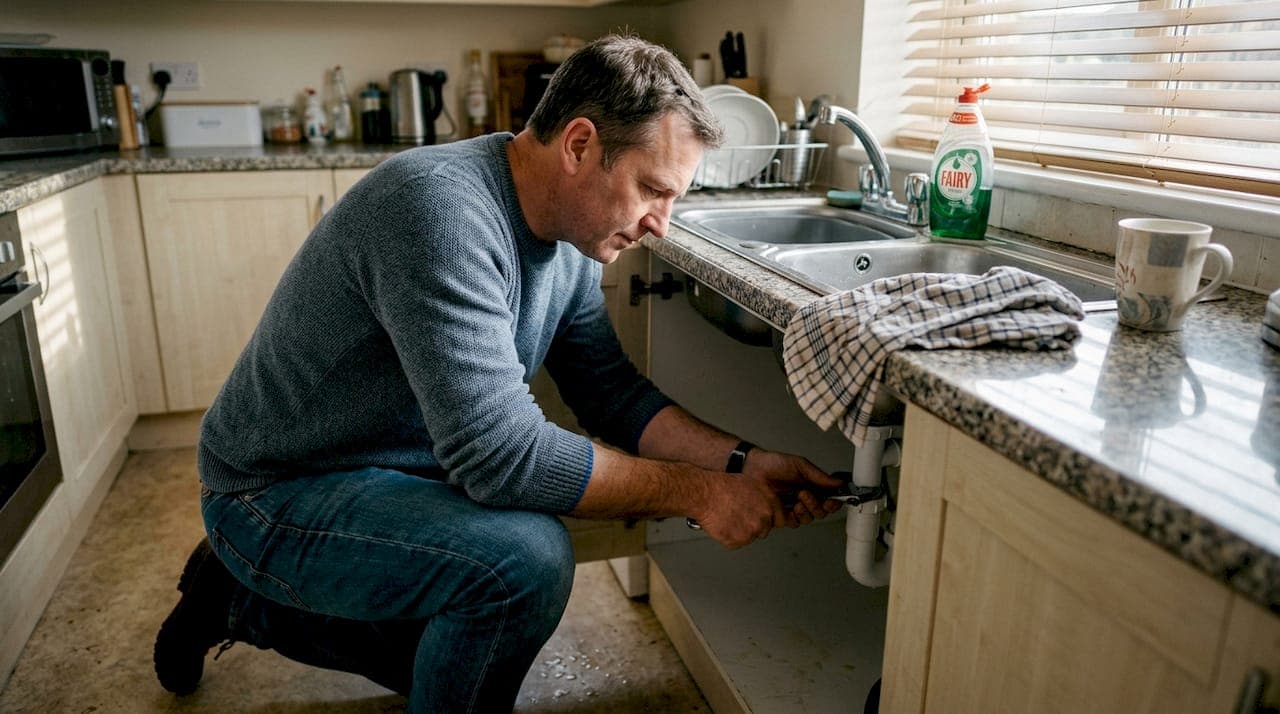
TL;DR:
- Routine drain maintenance can prevent costly emergencies by addressing minor issues early.
- Most emergency drain callouts are avoidable and cost homeowners an average of £800 each.
- Regular checks and proper habits protect your home from structural damage, pests, and insurance issues.
Most expensive drainage emergencies could have been stopped for a fraction of the cost with a simple, routine check-up. That is not a sales line; it is a pattern we see repeatedly in homes across the UK. Blocked and damaged drains quietly worsen over months, and by the time most homeowners notice, the bill is already eye-watering. This guide explains why routine drainage care is one of the most cost-effective decisions you can make, what causes problems to spiral, and the practical steps you can take right now to protect your home and your wallet.
Table of Contents
- The real cost of neglecting your drains
- What causes drain problems and why they escalate
- How regular drainage maintenance saves you money and stress
- Practical steps every UK homeowner can take
- Why ignoring drainage maintenance is a gamble few can afford
- Professional support when you need it most
- Frequently asked questions
Key Takeaways
| Point | Details |
|---|---|
| Prevent costly repairs | Routine drain maintenance stops small issues turning into expensive emergencies. |
| Recognise early warning signs | Act quickly on slow drains, odd smells, or repeated blockages to avoid bigger problems. |
| Annual checks matter | Professional inspections once a year catch hidden risks you can’t see. |
| Simple habits help | Not flushing wipes, fats or grease vastly reduces your risk of home flooding. |
The real cost of neglecting your drains
Most people do not think about their drains until something goes wrong. At that point, the conversation shifts from a modest maintenance fee to a much larger repair bill. Emergency callouts, specialist equipment, and follow-on structural repairs can quickly turn a preventable nuisance into a serious financial burden.
The numbers are stark. 68% of emergency drainage callouts could have been prevented with routine maintenance, saving homeowners an average of £800 per incident. That figure alone should give every homeowner pause. Routine maintenance typically costs a fraction of that, yet most households only act once a blockage or overflow becomes impossible to ignore.
Beyond the immediate repair cost, the knock-on effects of neglected drains are often underestimated. Water finding its way into walls or foundations creates damp, which leads to mould growth and structural weakening. 24% of building damage is attributed to inadequate property maintenance, and drainage failures are a significant contributor. Insurance complications add another layer of stress; many standard home insurance policies will not pay out for damage caused by poor upkeep.
Here is a quick comparison of what homeowners typically spend:
| Scenario | Typical cost |
|---|---|
| Routine annual drain inspection | £80 to £150 |
| Basic blockage clearance | £100 to £200 |
| Emergency callout (evenings or weekends) | £250 to £500+ |
| Pipe relining or excavation repair | £1,000 to £5,000+ |
| Structural damp repairs from drain overflow | £2,000 to £10,000+ |
The risks that homeowners most often overlook include:
- Slow drainage that worsens for months before causing a full blockage
- Foul odours dismissed as temporary when they signal a deeper build-up
- Subsidence or cracking caused by water undermining foundations
- Pest infestations, particularly rats, which use damaged drain runs as entry points
"Routine maintenance is not an added expense; it is the cost of not paying far more later."
Problems with emergency plumbing repairs are almost always more disruptive and expensive than scheduled work. The single most effective financial decision a homeowner can make is acting before the crisis arrives.
Having highlighted the stakes, let's look at exactly what makes drains vulnerable and how problems often begin.
What causes drain problems and why they escalate
Understanding what goes wrong inside your pipes makes it far easier to prevent it. Most drainage failures do not happen overnight. They build gradually, layer by layer, until the system simply cannot cope.
The most common culprits are fats, oils, and grease (known in the industry as FOG), along with wet wipes, hair, and sanitary products. UK water companies report tens of thousands of preventable blockages annually caused by flushing wipes, FOG, and other non-flushables. These materials do not simply pass through your pipes. FOG solidifies as it cools, sticking to pipe walls and narrowing the channel. Wipes and hair bind with the grease, creating a dense plug that grows denser with every flush.
Tree roots are another major cause, particularly in older properties. Roots seek moisture and will exploit the smallest crack in a drain joint. Once inside, they grow rapidly, breaking the pipe apart from within. Ground movement from seasonal temperature changes puts additional pressure on ageing pipes, widening existing cracks and creating new ones.
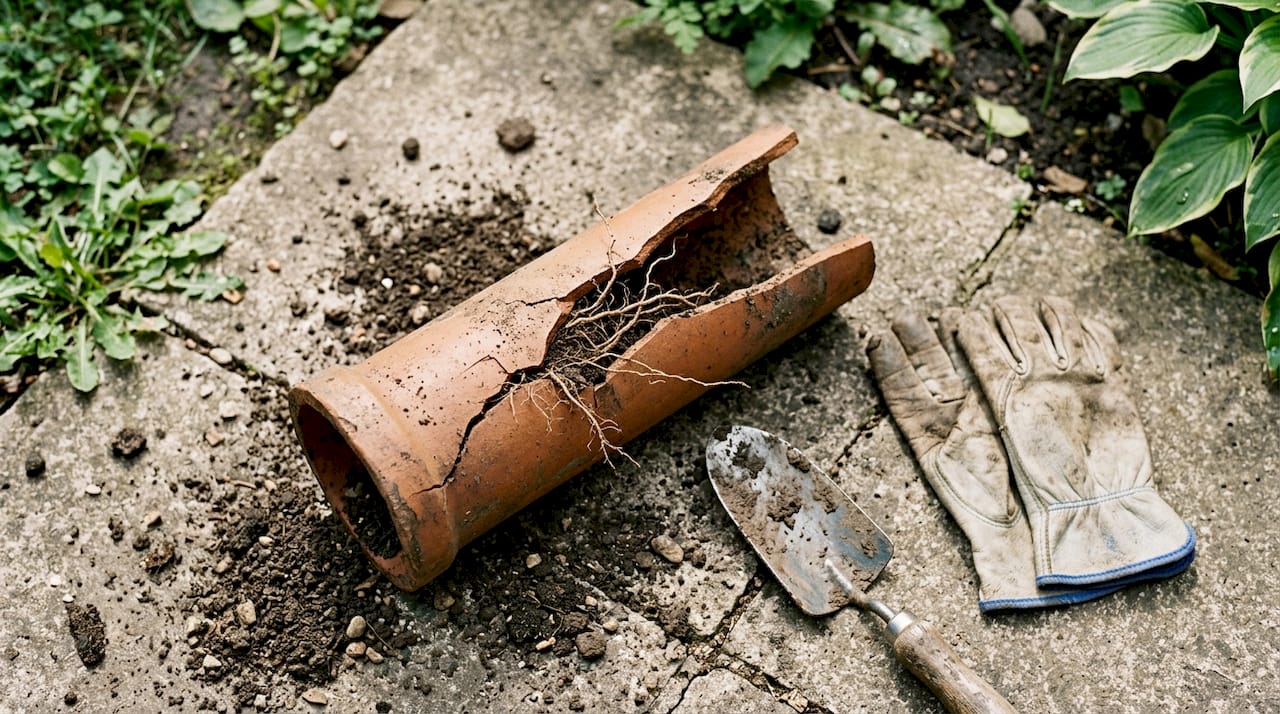
Here is how the top five causes stack up in terms of how quickly they escalate:
| Cause | Speed of escalation | DIY manageable? |
|---|---|---|
| FOG build-up | Weeks to months | Partially |
| Hair and wipes | Days to weeks | Yes, initially |
| Tree root intrusion | Months to years | No |
| Collapsed or cracked pipe | Immediate once cracked | No |
| Ground movement | Gradual | No |
The five most common causes of stubborn blockages in UK homes are:
- Cooking fats poured down the kitchen sink
- Wet wipes flushed despite being labelled "flushable"
- Hair accumulation in shower and bath traps
- Soil and debris from garden drainage
- Calcite scale in hard water areas restricting pipe diameter
Unseen problems are the most dangerous. A slow drain can feel minor, yet it may signal a partial blockage that is weeks away from becoming a complete failure. Familiar issues like these are well covered in guides to common plumbing problems, and the pattern is consistent: early intervention costs far less than late action.
Pro Tip: Never pour cooking fat down the sink. Let it cool in the pan, pour it into a sealed container, and put it in the bin. This single habit prevents more blockages than any cleaning product.
Now we understand the financial and practical risks. It is vital to see how regular care translates into genuine savings.
How regular drainage maintenance saves you money and stress
Knowing the risks is one thing. Seeing the practical benefit of acting on them is what actually changes behaviour. Regular drainage maintenance does not just prevent blockages; it protects your whole home.
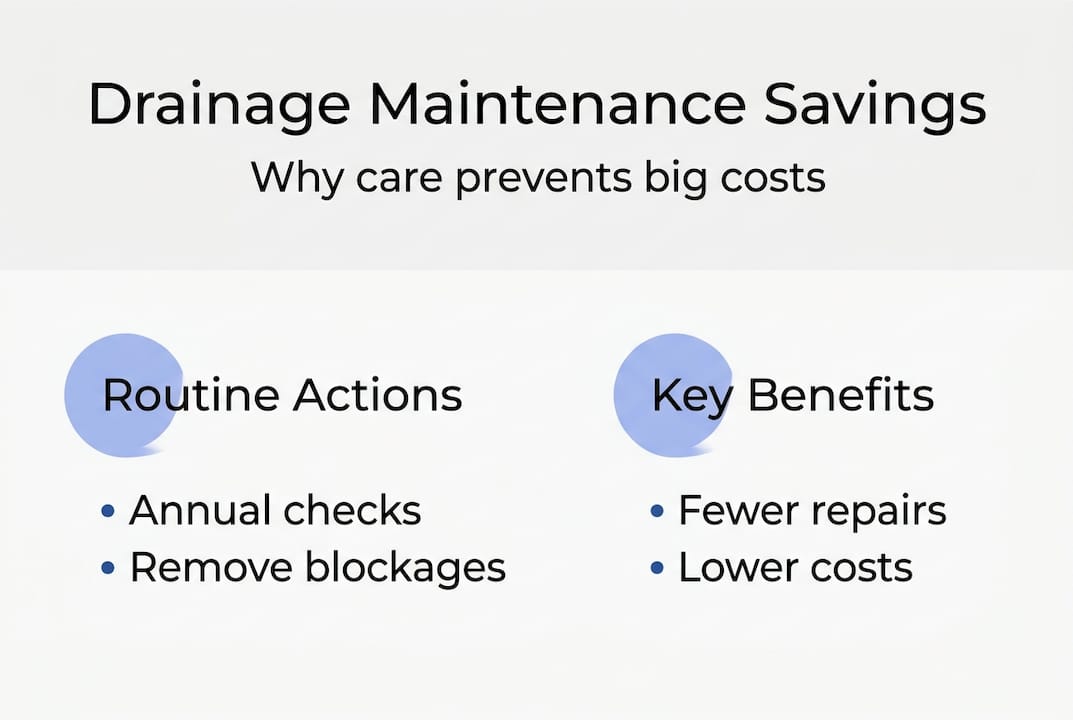
Addressing minor issues before they escalate is the single most reliable way to avoid costly emergency repairs. A partially blocked drain costs far less to clear when caught early than when it has caused an overflow or backed up into multiple rooms. The financial saving is real and consistent.
The stress reduction is equally significant. Knowing your drains have been checked recently removes a whole category of worry. You are not lying awake after heavy rain wondering whether water will back up into your kitchen. Scheduled maintenance gives you control, and that peace of mind has genuine value.
Maintenance also prevents the secondary problems that drain failures often trigger:
- Damp and mould from slow leaks inside walls or under floors
- Foul odours rising from partial blockages that are easy to miss
- Pest activity, particularly rats, which enter properties through cracked drain runs
- Insurance complications when insurers link damage to a lack of upkeep
Consider a real-world scenario. A homeowner notices a slightly slow kitchen drain in early spring. Rather than ignoring it, they book a professional check. The engineer finds a partial FOG blockage and clears it in under an hour. Total cost: £120. Left unchecked for another six months, that same blockage would likely have caused a full backup, potentially damaging kitchen flooring and cabinetry. The repair bill in that scenario could easily exceed £2,500.
Annual plumbing checks are the cornerstone of this approach. Pairing them with professional leak detection benefits means you are catching not just visible blockages but also hidden slow leaks that slowly erode your home's structure.
Pro Tip: Book your annual drain inspection for autumn. Winter is when frozen ground, increased rainfall, and heavy use from cooking and entertaining put maximum pressure on drainage systems.
With the benefits clear, let's get practical and detail what you can do to keep your drains healthy long-term.
Practical steps every UK homeowner can take
Good drainage habits are not complicated. Most of what works is simply knowing what to avoid and building a light routine around regular checks.
Regular checks and professional services prevent most emergencies, and the bulk of effective prevention starts with daily behaviour.
Daily and weekly habits:
- Never pour fats, oils, or grease down any sink or drain
- Use a hair catcher in every shower and bath; empty it weekly
- Flush only toilet paper, not wipes or sanitary products
- Run hot water for 30 seconds after washing greasy pans
- Pour a kettle of hot water down the kitchen drain once a week to soften any residual grease
Monthly checks:
- Pour a small amount of water into rarely used sinks or floor drains to prevent trap evaporation, which causes odours
- Check under sinks for signs of moisture or staining that could indicate a slow drip
- Look at outdoor drain covers for debris build-up, especially after storms
Annual actions:
- Book a professional drain inspection and jetting service
- Ask your plumber to camera-survey if your property is over 20 years old or has mature trees nearby
- Review drainage around your property perimeter, particularly if you notice pooling water after rain
When to call a professional immediately:
- Multiple drains blocking at the same time (suggests a shared main drain issue)
- Sewage smell persisting after cleaning
- Water backing up into a bath, shower, or toilet
- Gurgling sounds from pipes when nothing is in use
Knowing the different plumbing repair types helps you have a more informed conversation with your plumber and avoid being caught off guard by costs. If you are unsure whether a problem needs professional attention, guidance on when to call a professional plumber will give you a clearer picture.
Why ignoring drainage maintenance is a gamble few can afford
There is a widespread belief among homeowners that drainage problems happen to someone else. It is not complacency exactly; it is the quiet assumption that because nothing has gone wrong yet, nothing will. That thinking is where the real risk lives.
Inadequate maintenance sits behind 24% of building damage, and drainage is one of the most underserviced systems in most homes. Unlike a boiler that announces its failure loudly, drains deteriorate silently. By the time the signs are obvious, the damage is often well established.
Neglect also affects your home's value in ways that are not immediately obvious. A surveyor who finds evidence of long-term drain failures or associated damp will flag it in a report, which gives buyers leverage to renegotiate or walk away. Your insurance position can weaken too; repeated claims linked to drainage, or evidence of known issues left unaddressed, can affect future cover.
We have seen homes where years of avoidance turned a £150 annual inspection into a £7,000 repair. The maths are not subtle. Understanding plumbing and home safety in the wider context of your property means treating your drainage system with the same seriousness as your boiler or roof. Routine care is not optional; it is the foundation of a well-maintained, financially protected home.
Professional support when you need it most
When drain issues arise, having a trusted local plumber already in mind makes a stressful situation far more manageable. At 777 Plumber, our fully employed engineers, with no subcontractors, carry out honest assessments with transparent pricing and no call-out fees.

Whether you are in need of a routine annual inspection or facing an unexpected blockage, our team is ready to help quickly and without unnecessary upselling. Homeowners in areas such as Hotwells and Eastfield can rely on local engineers who know the area and respond fast. You can book online today and take the first step towards a home that is protected year-round.
Frequently asked questions
How often should UK homeowners get their drains checked?
You should book a professional drain inspection at least once a year and carry out simple visual checks monthly to catch issues before they escalate.
What are the signs of a drainage problem at home?
Slow-draining sinks, unpleasant smells, gurgling pipes, or repeated blockages all suggest a build-up in your system and may need professional attention.
Can home insurance cover drainage problems caused by neglect?
Most UK insurers will not pay out for damage directly linked to poor upkeep, which is why proactive maintenance is so important for protecting your cover.
What should I never flush down my drains to avoid blockages?
Avoid flushing wipes, fats, oils, grease, or sanitary products; these items cause the majority of UK blockages reported by water companies each year.
Is DIY drain cleaning enough to prevent all issues?
DIY cleaning helps with surface-level build-up, but it cannot replace annual professional checks that detect hidden problems such as root intrusion or pipe damage early.