
A burst pipe at midnight or a blocked toilet before guests arrive can turn a calm evening into a full-blown crisis. Knowing the main types of plumbing repairs before something goes wrong puts you in control rather than at the mercy of panic. This guide walks you through how to spot problems early, understand what each repair involves, and make confident decisions about cost and who to call. Whether you are dealing with a dripping tap or a flooded kitchen, the right knowledge saves you money and protects your home.
Table of Contents
- How to identify and prioritise plumbing repairs
- Dealing with leaking and burst pipes
- How to handle blocked drains and toilets
- Tackling faulty taps, showers, and appliances
- Comparing costs and choosing the right repair solution
- Why the 'DIY versus pro' plumbing debate often misses the real risk
- Get expert plumbing help when you need it
- Frequently asked questions
Key Takeaways
| Point | Details |
|---|---|
| Identify urgent repairs | Act fast on leaks and blockages to prevent severe home damage. |
| Know typical costs | Most repairs cost between £200–£700, with higher prices in London. |
| DIY or call a pro | Small fixes can be DIY, but main issues need a qualified plumber. |
| Choose trusted plumbers | Check reviews and credentials before hiring for reliable results. |
| Regular maintenance saves money | Periodic checks help prevent emergencies and costly repairs later. |
How to identify and prioritise plumbing repairs
Not every plumbing problem demands the same urgency. Some issues need attention within minutes; others can wait a day or two without causing serious harm. Knowing the difference is what separates a manageable situation from an expensive disaster.
Urgent repairs that need immediate action include:
- Burst pipes causing active flooding
- Gas leaks (call your gas supplier and evacuate first)
- Major leaks soaking walls, floors, or ceilings
- Sewage backflow into the home
Less urgent but still important issues include dripping taps, slow-draining sinks, minor leaks under a basin, and running toilets. These will not flood your home overnight, but ignoring them adds up. A dripping tap can waste over 5,000 litres of water per year.
Cost is a strong motivator for acting quickly. Average emergency costs £340, with emergency hourly rates running between £80 and £120. Catching a small leak before it saturates a floor joist can save you thousands in structural repairs.
Our emergency plumbing repair guide covers what to do in the first critical minutes, and our advice on common plumbing problems helps you recognise warning signs before they escalate.
Pro Tip: Write down the location of your stopcock (main water shut-off valve) and make sure every adult in your household knows where it is. Turning off the water supply within the first 60 seconds of a burst pipe can prevent thousands of pounds of damage.
Dealing with leaking and burst pipes
Once you can identify urgent issues, the next step is understanding the most disruptive: leaks and burst pipes. These are among the most costly and stressful repairs a homeowner faces, but they are also very preventable with the right habits.
What causes pipes to leak or burst?
The three most common culprits are frozen pipes in winter, old or corroded pipework (particularly in homes built before the 1980s), and accidental damage during renovation work. Even a small crack in a pipe can release hundreds of litres of water before you notice.
Warning signs to watch for:
- Unexplained damp patches on walls or ceilings
- Water stains that appear and disappear
- A sudden drop in water pressure
- The sound of running water when nothing is turned on
What to do when a pipe bursts:
- Turn off the stopcock immediately to cut the water supply.
- Switch off your boiler and any water-heating appliances.
- Open all cold taps to drain the system quickly.
- Move valuables and furniture away from the affected area.
- Call a qualified plumber and document the damage for insurance.
| Symptom | Leak | Burst pipe |
|---|---|---|
| Water visible | Drip or trickle | Gush or flood |
| Pressure drop | Gradual | Sudden and severe |
| Urgency | Within 24 hours | Immediate |
| Typical cost | £150–£400 | £300–£700 |
For a practical walkthrough, our guide on how to fix a leaking pipe gives step-by-step advice tailored to UK homes.
Pro Tip: Insulate any exposed pipes in your loft, garage, or under the kitchen sink before winter arrives. Foam pipe lagging costs just a few pounds per metre and can prevent a repair bill that runs into hundreds.
How to handle blocked drains and toilets
Another nuisance that often requires prompt fixing is blocked drains or toilets. These are rarely dangerous, but they can make your home unusable and, if left too long, cause unpleasant odours or even sewage backflow.
Common causes of blockages:
- Fat and grease solidifying in kitchen drains
- Wet wipes, cotton pads, and sanitary products in toilets
- Hair and soap scum in bathroom drains
- Foreign objects, particularly in homes with young children
Typical repair steps for a blocked drain:
- Try a plunger first for toilet or sink blockages.
- Use a drain snake or auger to break up deeper obstructions.
- Apply a drain-clearing solution for grease-based kitchen blockages.
- If the blockage persists, a plumber will use high-pressure jetting to clear the pipe.
- For recurring issues, a CCTV drain survey identifies the root cause.
| Feature | Blocked toilet | Blocked kitchen drain |
|---|---|---|
| Main cause | Wipes, foreign objects | Fat, food debris |
| DIY fix possible? | Sometimes | Often |
| Risk if ignored | Sewage overflow | Slow drainage, odour |
| Typical repair cost | £100–£300 | £200–£500 |
Note that London prices can run 20 to 50% higher than the national average. Our articles on solving blocked drains and understanding your call-out fee breakdown give you a clearer picture of what to expect.
Simple prevention strategies:
- Pour boiling water down kitchen drains weekly to dissolve grease.
- Fit hair-catching drain covers in showers and baths.
- Never flush wipes, even those labelled "flushable".
- Run a full hot water cycle through your dishwasher monthly.
Tackling faulty taps, showers, and appliances
With drains and pipes covered, let's move to issues with everyday fixtures and appliances. These problems rarely cause flooding, but they can waste significant water, push up your bills, and become genuinely irritating over time.
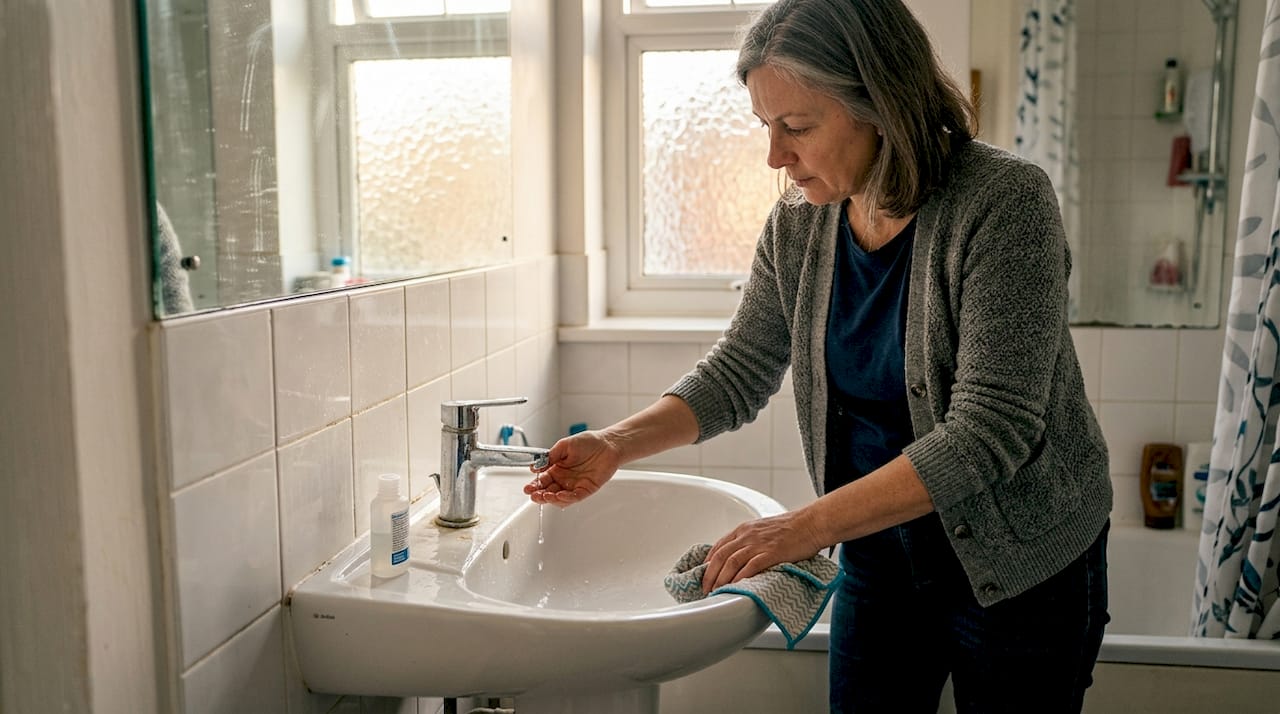
Usual problem sources:
Most tap and shower faults come down to worn washers, limescale build-up (especially in hard-water areas like the South East), or faulty valves. Dishwashers and washing machines often develop leaks from loose hose connections or failing door seals.
Repair vs replacement: how to decide
If a tap is under 10 years old, a washer or cartridge replacement almost always makes more sense than buying a new unit. For appliances over 8 to 10 years old, repair costs can approach the price of a new model, so replacement may offer better long-term value.
Quick fixes you can try yourself:
- Replacing a tap washer (with the water supply off)
- Descaling a showerhead by soaking it in white vinegar
- Tightening a loose hose connection on a washing machine
Repairs that need a professional:
- Replacing a thermostatic shower cartridge
- Fixing a faulty mixer valve
- Repairing internal appliance components or water inlets
Standard plumber hourly rates range from £40 to £70 for routine work, rising sharply for emergency call-outs. Choosing the right person matters as much as the repair itself. Our guides on how to choose a reliable plumber and the value of using a professional plumber explain what to look for.
Pro Tip: A quick annual check of tap washers, showerhead flow, and appliance hose connections takes under 30 minutes and prevents the majority of fixture-related callouts.
Comparing costs and choosing the right repair solution
Finally, let's see how all these repairs and their costs compare, and how to choose a trusted professional for each situation.
| Repair type | UK average cost | London range |
|---|---|---|
| Burst pipe | £300–£700 | £420–£1,050 |
| Leaking pipe | £150–£400 | £210–£600 |
| Blocked drain | £200–£500 | £280–£750 |
| Blocked toilet | £100–£300 | £140–£450 |
| Tap/shower repair | £80–£200 | £110–£300 |
| Emergency call-out fee | £150–£300+ | Higher end |
London rates run 20 to 50% higher than UK averages across almost every repair type, so factor in your location when budgeting.
How to compare quotes fairly:
- Ask for a written quote before work begins, not just a verbal estimate.
- Check whether the quote includes parts, labour, and VAT.
- Verify the plumber is Gas Safe registered (for any gas-related work) or holds relevant qualifications.
- Read recent reviews on independent platforms, not just the company's own website.
- Confirm their availability for follow-up if the repair develops a fault.
For urgent situations, a slightly higher cost is often justified. A plumber who can arrive within the hour during a flood is worth more than one who is available next Tuesday. Our breakdown of plumbing service fees and advice on how to choose a plumber give you the tools to make a confident decision without overpaying.
Why the 'DIY versus pro' plumbing debate often misses the real risk
Most discussions about DIY plumbing focus on money. Can you save £100 by fixing it yourself? Sometimes, yes. But the conversation rarely addresses what happens when a well-intentioned repair goes wrong.
We have seen situations where a homeowner tightened a pipe joint to stop a small drip, only to crack the fitting and cause a leak inside a wall cavity. By the time the damp appeared, mould had already taken hold. The original repair would have cost £80. The remediation cost over £3,000.
There is also the insurance angle. Many home insurance policies include clauses that void cover if damage results from unapproved or amateur repairs. Saving £100 today could mean your insurer refuses a claim worth far more tomorrow.
Our view, shaped by years of working in UK homes, is that DIY is sensible for surface-level tasks: descaling a showerhead, replacing a tap washer, clearing a minor blockage. Anything involving pipework inside walls, under floors, or connected to your boiler deserves professional plumber insights and a qualified pair of hands. The real saving is not in the repair cost. It is in avoiding the disaster that follows a repair done wrong.
Get expert plumbing help when you need it
If you are dealing with a plumbing issue right now or simply want someone reliable on standby, 777 Plumber offers 24-hour local support with no call-out fees and no fix-no-fee charges. Our fully employed, in-house team handles everything from burst pipes to blocked drains, with transparent pricing before any work begins.
Whether you need an urgent repair or want to book a routine check, our Hotwells emergency plumber team is ready to help. You can also see recent repairs in our gallery to get a sense of the quality and range of work we carry out every day. Book online in minutes and get the peace of mind your home deserves.
Frequently asked questions
What is the most common plumbing repair in UK homes?
Leaking taps, blocked drains, and pipe leaks are the most frequent plumbing issues faced by UK homeowners, making up the vast majority of domestic callouts.
How much does a burst pipe repair usually cost?
Burst pipe repairs cost £300–£700 on average in the UK, and prices in London can be 20 to 50% higher depending on access and urgency.
Do I need a professional plumber for a blocked toilet?
Simple blockages may clear with a plunger, but recurring or severe blockages need a professional. Our advice on blocked drain solutions explains when to call in expert help.
Are emergency plumber call-out fees higher than regular visits?
Yes. Emergency call-out fees run £150–£300+ on top of hourly rates of £80 to £150, compared to standard rates of £40 to £70 per hour.
What preventative maintenance can reduce plumbing emergencies?
Regular pipe insulation, drain cleaning, and tap maintenance significantly reduce the risk of emergencies. Annual plumbing checks are one of the most cost-effective habits a UK homeowner can adopt.