TL;DR:
- Hidden leaks often cause significant damage before homeowners notice symptoms.
- Regular self-checks and meter tests can help detect leaks early and save money.
- Professional help is essential for persistent or concealed leaks to prevent costly structural damage.
A single leaking toilet can waste 400 litres of water every day, and across the UK, household leaks collectively cost £700 million per year in repairs and lost water. That is a staggering figure, and much of it is preventable. The trouble is that most leaks start silently, hidden behind walls or beneath floors, growing steadily worse before a homeowner notices anything wrong. This guide gives you the practical signs to watch for, simple self-checks you can do today, and clear guidance on when a professional is the right call. Catching a leak early is almost always cheaper than dealing with the aftermath.
Table of Contents
- How to recognise the warning signs of pipe leaks
- Practical DIY checks every homeowner should try
- Comparing common leak locations and their risk levels
- When to call a professional and what to expect
- Our take: Why prevention and homeowner action are non-negotiable
- Need help fast? Trusted leak detection and repair for UK homeowners
- Frequently asked questions
Key Takeaways
| Point | Details |
|---|---|
| Early leak signs | Damp spots, mould, odd noises, and high water bills are key indicators you may have a leak. |
| DIY detection works | Simple checks like reading your metre and looking for drips can help catch leaks early. |
| Focus on high-risk areas | Kitchens, bathrooms, outdoor pipes, and behind walls are the most common sites for leaks. |
| Professional support | Persistent or hidden leaks require expert detection, costing between £120 and £800+ to repair. |
How to recognise the warning signs of pipe leaks
Knowing what to look and listen for is your first line of defence against water damage. Pipe leaks rarely announce themselves dramatically. Instead, they leave subtle clues that are easy to miss if you are not paying attention.
Physical signs you can see
The most obvious indicators are visible ones. Look out for:
- Damp patches or discolouration on walls, ceilings, or floors
- Bubbling or peeling paint and wallpaper
- Mould or mildew growth, particularly in rooms with no obvious source of moisture
- Water stains with a brownish or yellowish tinge
- Warped skirting boards or swollen floorboards
These signs often appear some distance from the actual leak source, because water travels along joists and pipework before it surfaces. Do not assume the damp patch marks the exact location of the problem.
Sounds that suggest a leak
Hissing, dripping, or a faint rushing sound inside walls or under floors is worth investigating. These noises are most audible at night when the house is quiet. A hissing sound often points to a pressurised pipe with a small crack, while a drip suggests a joint or fitting has failed.
Pressure and billing clues
A sudden, unexplained drop in water pressure is a reliable indicator that water is escaping somewhere it should not be. Similarly, an unexpected spike in your water bill, without any change in your household's usage habits, is a strong signal. Home leaks cost £700m/year across the UK, and a significant portion of that is driven by leaks that go undetected for months.
Understanding the full picture of common plumbing problems can help you put these warning signs into context. It is also worth appreciating how plumbing and home safety are closely linked, since unchecked leaks can compromise structural integrity and create damp conditions that affect your family's health.
"Most homeowners only discover a hidden leak when visible damage has already occurred. Routine awareness costs nothing and saves thousands."
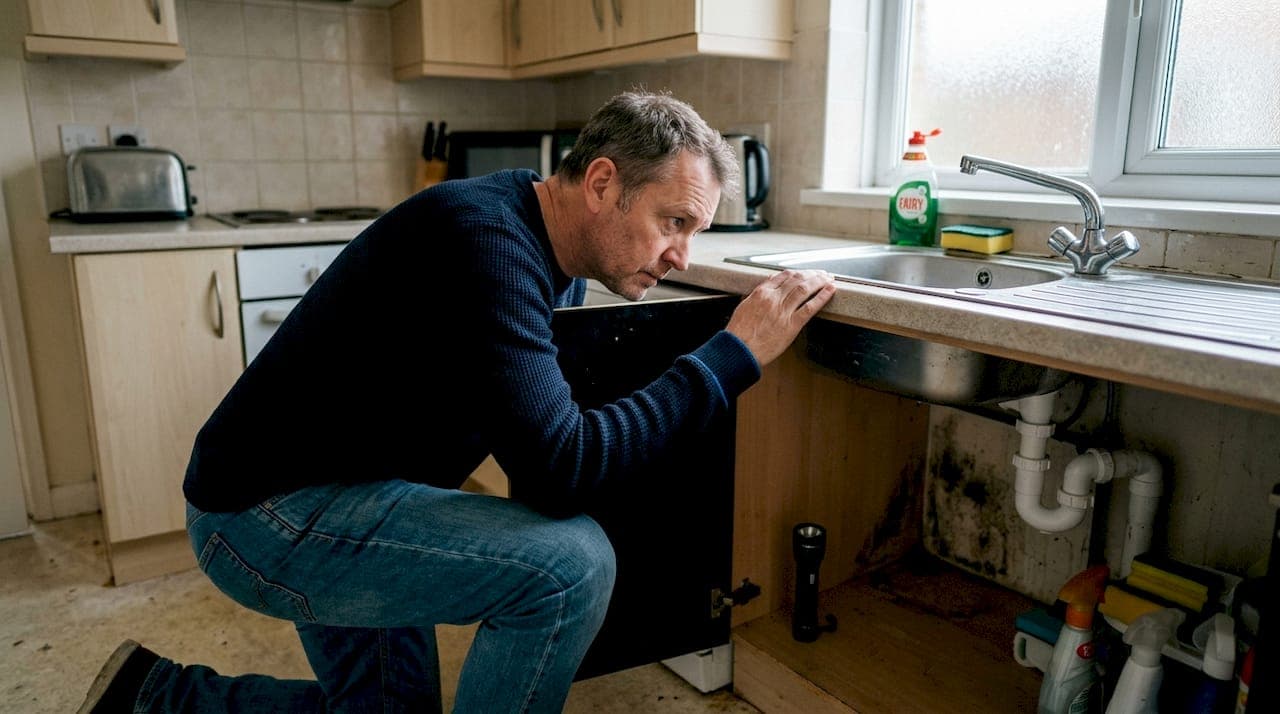
Pro Tip: Make a habit of checking under kitchen and bathroom sinks, behind the washing machine, and around the dishwasher every few weeks. These are the spots where small drips most often go unnoticed until the cupboard floor rots through.
Practical DIY checks every homeowner should try
Now that you know what to look for, here is how to actively test your plumbing before spending money on a professional visit.
Step-by-step self-check method
- Turn off every tap and water-using appliance in your home, including the dishwasher, washing machine, and any garden taps.
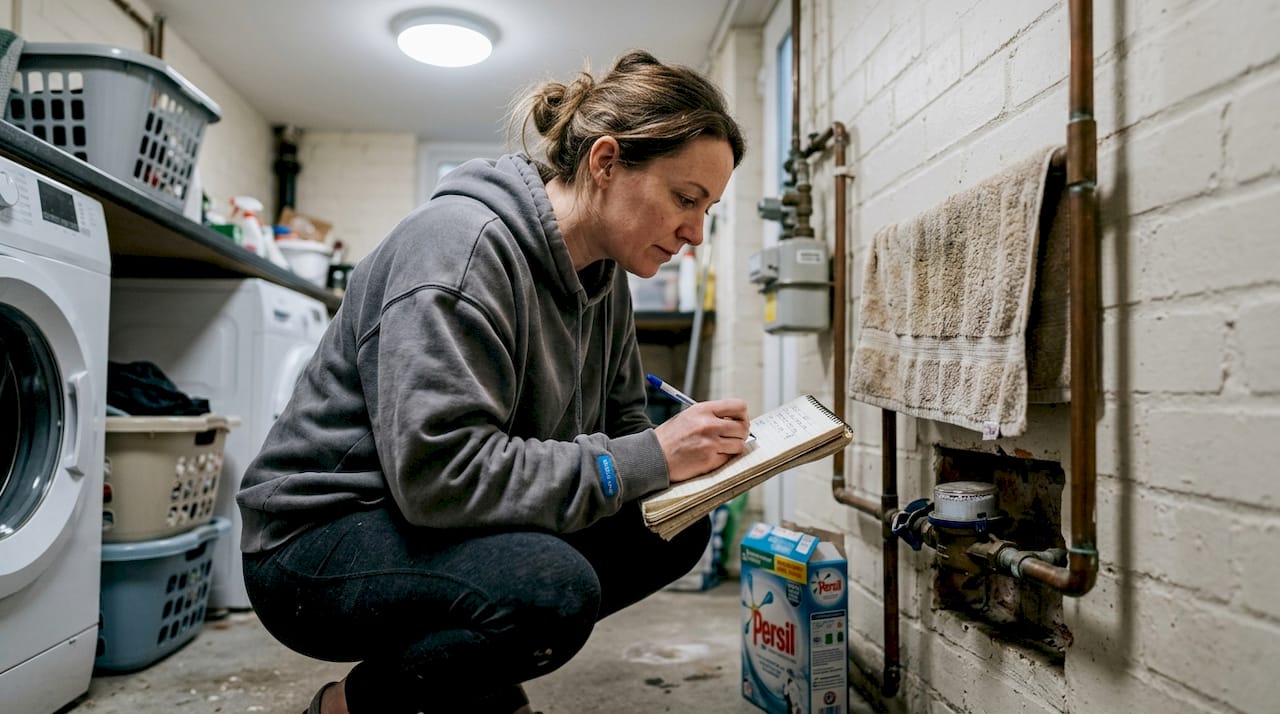
- Locate your water meter, usually found under a small cover outside your property near the boundary, or sometimes under the kitchen sink.
- Note the current meter reading and wait 30 to 60 minutes without using any water.
- Check the meter again. If the reading has changed, water is moving through your system, which points to a leak somewhere.
- Isolate sections of your plumbing by turning off the internal stopcock and repeating the test. If the meter stops moving, the leak is inside the property. If it continues, the problem may be in the supply pipe between the meter and your home.
Fixing leaks can save a household around 247 litres per day, which works out to roughly £130 per year on water bills. That is a compelling reason to run this check regularly.
The tissue test for toilets
Toilets are one of the most common and most overlooked sources of household leaks. Dry the back of the toilet pan thoroughly, then press a sheet of dry tissue against it. If the tissue becomes damp within a minute, water is seeping through the cistern seal. This is a quick, free test that takes under two minutes.
Other accessible spots to check
- Around the base of the boiler and any visible pipework in the airing cupboard
- Beneath bathroom and kitchen sinks
- Along outside walls where pipes enter the property
- Around radiator valves and connections
For a thorough walkthrough of what to look for throughout your home, the guide on how to detect water leaks at home covers additional techniques in detail.
"The meter test is one of the most underused tools available to homeowners. It takes less than an hour and can confirm or rule out a leak without any specialist equipment."
Pro Tip: Run the meter test at the same time each month. Keeping a simple log of readings helps you spot gradual increases in usage that might otherwise go unnoticed.
Comparing common leak locations and their risk levels
Once you have tried some self-checks, it pays to understand which areas of your home carry the greatest risk. Not all leaks are equal in terms of damage potential or urgency.
| Location | Visibility | Risk level | Potential damage |
|---|---|---|---|
| Under kitchen sink | High | Medium | Cabinet rot, mould |
| Bathroom floor/tiles | Medium | High | Subfloor damage, mould |
| Boiler room/airing cupboard | Medium | High | Boiler damage, flooding |
| Behind walls | Low | Very high | Structural damage, mould |
| Outdoor/supply pipes | Low | High | Ground erosion, high bills |
Hidden leaks carry the highest risk
Leaks behind walls or beneath concrete floors are the most destructive because they go undetected longest. By the time a damp patch appears on a wall, the leak may have been running for weeks. UK home leaks cost £700m per year, and hidden leaks account for a disproportionate share of that figure.
Early indicators by location
- Kitchen sink: Musty smell inside the cupboard, soft or discoloured cabinet base
- Bathroom: Loose or lifting floor tiles, persistent damp smell, staining on the ceiling below
- Boiler area: Rust staining on pipes, pilot light issues, unexplained pressure drops
- Behind walls: Bulging plaster, cold spots, discolouration spreading from a fixed point
- Outdoor pipes: Unexpectedly green or lush patches of grass, wet ground in dry weather
Understanding the full range of common plumbing repairs associated with each location helps you set priorities. A slow drip under the kitchen sink is far less urgent than a hidden leak behind a bathroom wall, where mould can take hold within 24 to 48 hours.
Visible versus hidden leaks
Visible leaks are easier to manage because you can monitor them and act at a time that suits you, within reason. Hidden leaks demand faster action. If you suspect a leak behind a wall or under a floor but cannot confirm it, do not wait. The cost of investigation is almost always less than the cost of the damage that follows.
When to call a professional and what to expect
Self-checks are valuable, but there are clear situations where professional help is not optional.
Signs that require a professional
- Persistent drops in water pressure that do not resolve themselves
- Visible water damage to walls, ceilings, or floors
- A water bill that has risen significantly without explanation
- Any leak you cannot locate after running the meter test
- Damp or mould appearing in multiple areas simultaneously
What does professional leak detection cost?
| Service type | Typical cost range |
|---|---|
| Minor visible leak repair | £120 to £200 |
| Hidden leak repair | £300 to £800+ |
| Acoustic leak detection | £150 to £400 |
| Thermal imaging detection | £300 to £950 |
According to current industry data, repair costs range from £120 to £800+ depending on whether the leak is visible or concealed, with specialist detection methods adding to the overall cost.
What a professional inspection involves
A qualified plumber will typically begin with a pressure test to confirm a leak exists and estimate its severity. From there, they may use acoustic listening equipment to pinpoint the location without opening walls unnecessarily. Thermal imaging cameras can detect temperature differences caused by escaping water, making them particularly effective for underfloor leaks.
Understanding what leak detection involves before booking a visit helps you ask the right questions. Once the leak is found, your plumber will discuss repair options, which might range from a simple joint replacement to fixing a leaking pipe within a wall cavity. The advantages of professional leak detection go beyond just finding the problem. A thorough inspection often uncovers secondary issues that could cause problems further down the line.
Statistic: A hidden leak left undetected for just one month can result in repair bills exceeding £800, compared to a detection visit costing as little as £150.
Our take: Why prevention and homeowner action are non-negotiable
Here is something most plumbing articles will not tell you directly: professionals find hidden leaks far less often than homeowners do. The reason is simple. You live in your home every day. You notice the musty smell that appeared last Tuesday, the slightly soft patch of floor near the bathroom door, or the water bill that crept up by £20 last month. A plumber visits once a year at best.
The uncomfortable truth is that routine professional checks are valuable, but they are not a substitute for your own ongoing awareness. The most catastrophic leaks we encounter are almost never sudden failures. They are small, slow problems that were noticed and dismissed for months before they became emergencies.
We strongly recommend building a simple monthly habit: check the meter, look under the sinks, and take note of any new smells or sounds. Understanding why annual plumbing checks matter is important, but those checks work best when a homeowner has been paying attention in between visits. Prevention is not glamorous. It is just far less expensive than the alternative.
Need help fast? Trusted leak detection and repair for UK homeowners
If your self-checks have raised concerns, or you have already spotted signs of a leak, acting quickly is the smartest move you can make.

At 777 Plumber, we offer 24hr water leak detection including mains supply tracing, so you are never left waiting when water is escaping. Our no call-out charge policy means you will not face unexpected fees just for having us assess the situation. Every job is handled by our own fully employed technicians, not subcontractors, so the quality is consistent every time. Whether you need an urgent repair or want to book a routine inspection, our plumbing services for UK homes are available online with flexible scheduling to suit you.
Frequently asked questions
What are the most common signs of a hidden pipe leak?
Damp patches, musty smells, and rising water bills often indicate a hidden leak, even when no water is visible. Peeling wallpaper or unexplained mould growth are also reliable early indicators.
How much does it cost to repair a pipe leak in the UK?
Repair costs range from £120 for minor visible leaks up to £800 or more for complex hidden leaks requiring specialist detection equipment.
How much water can fixing a leak save per day?
Fixing household leaks can save around 247 litres daily, which reduces water bills by approximately £130 per year for the average home.
When should I call a plumber instead of trying to fix a leak myself?
If you see significant water damage, experience persistent pressure drops, or cannot locate the source after running the meter test, call a professional. Early detection costs from £150 and is far cheaper than the structural damage a hidden leak can cause.