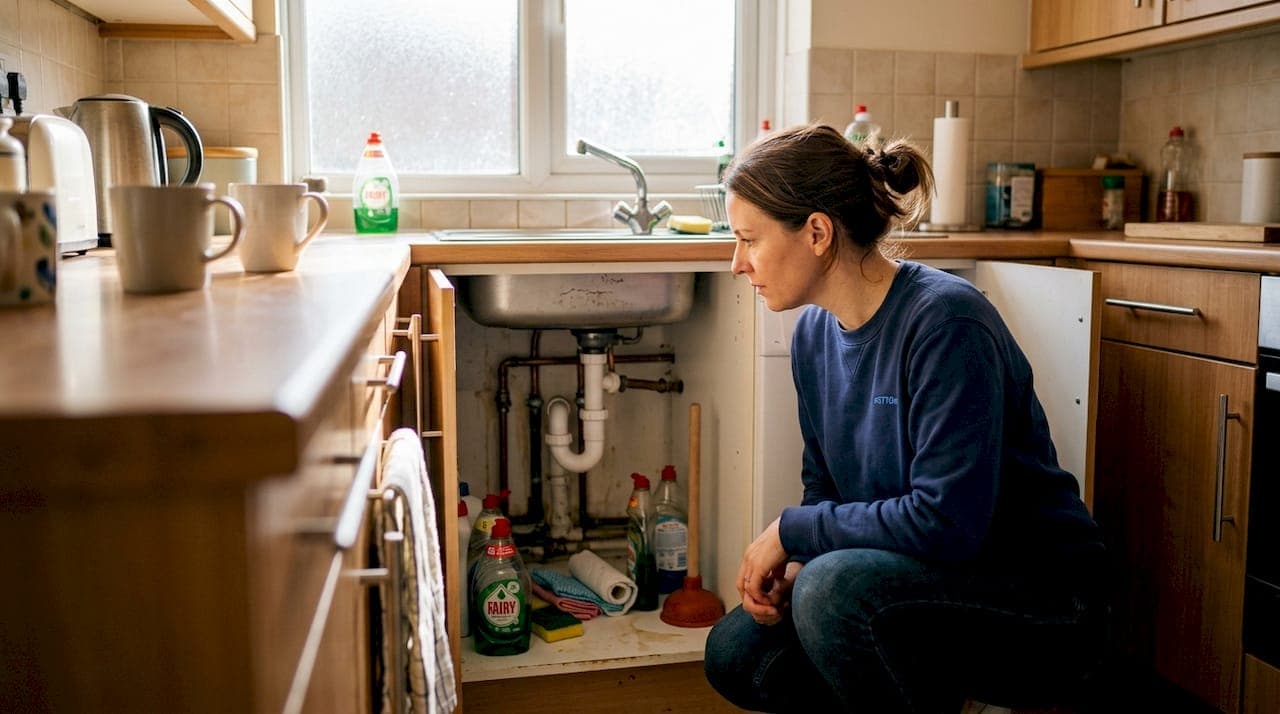
Plumbing problems are a fact of life for UK homeowners, but the scale of the issue might surprise you. Blockages top the list of plumbing complaints in UK social housing, with repair waits stretching weeks. Whether you are dealing with a dripping tap at midnight or a blocked sink before guests arrive, the frustration is real. This guide walks you through the most common plumbing problems in UK homes, gives you practical step-by-step fixes you can try today, and tells you exactly when to call in a professional before small issues become expensive disasters.
Table of Contents
- Identifying the most common plumbing problems in UK homes
- How to handle blocked drains and sinks
- Fixing dripping taps and silent leaks
- Dealing with burst pipes: urgent steps for homeowners
- Handling noisy pipes, low water pressure, and older properties
- Comparing solutions for common plumbing problems
- Get fast help for plumbing problems with expert support
- Frequently asked questions
Key Takeaways
| Point | Details |
|---|---|
| Blockages top complaints | Drain blockages are the most common plumbing issue reported by UK households, causing long delays and frustration. |
| Quick DIY solutions | Simple steps like using a plunger and replacing tap washers can resolve many problems without professional help. |
| Urgent action stops damage | Turning off water and calling a plumber quickly limits damage from emergencies like burst pipes. |
| Silent leaks waste water | Undetected toilet leaks can waste hundreds of litres daily, so regular checks are vital. |
| Professional support matters | Some issues require a certified plumber's expertise, especially in older homes and emergencies. |
Identifying the most common plumbing problems in UK homes
Understanding what you are up against is the first step. Blockages, leaks, and damp or mould are the three most reported plumbing complaints in UK social housing, with blockages accounting for 1,407 cases, leaks for 798, and damp or mould for 714. The average repair wait across all issues sits at 37 days, but plumbing faults specifically stretch to 52 days on average. That is nearly two months of living with a problem that could be getting worse every day.
Here is a quick overview of the most frequent issues UK homeowners face:
- Blocked drains and sinks caused by grease, hair, and non-flushable items
- Dripping taps from worn washers or O-rings
- Silent leaks in toilets and pipes that waste water unnoticed
- Burst pipes during cold snaps
- Low water pressure from limescale or faulty valves
- Noisy pipes from airlocks or water hammer
| Problem | Frequency in UK | Typical DIY fix |
|---|---|---|
| Blockages | Very high | Plunger, baking soda |
| Leaks | High | Washer replacement |
| Damp or mould | High | Ventilation, leak repair |
| Low pressure | Moderate | Clean aerator |
| Noisy pipes | Moderate | Bleed system |
| Burst pipes | Seasonal | Emergency stopcock |
Many of these problems can be caught early with annual plumbing checks, saving you money and stress. Learning about fixing leaks at home is also a smart investment of your time before a small drip becomes a flood.
How to handle blocked drains and sinks
A blocked drain is the most common plumbing complaint in the UK, and it is also one of the most straightforward to tackle yourself. The key is acting quickly and using the right method in the right order.
- Start with a plunger. Place it firmly over the drain, ensuring a good seal, and pump up and down with steady force for 20 to 30 seconds. Repeat two or three times.
- Try baking soda and vinegar. Pour half a cup of bicarbonate of soda down the drain, followed by half a cup of white vinegar. Leave it for 15 minutes, then flush with boiling water.
- Use a drain snake. If the blockage persists, a flexible drain snake can reach deeper clogs that a plunger cannot shift.
- Check the U-bend. Place a bucket under the pipe beneath the sink, unscrew the U-bend, clear any debris, and refit it securely.
Avoid harsh chemical drain cleaners entirely. They can corrode older pipes, damage seals, and create hazardous fumes. They also rarely solve the root cause.
"Non-flushable items such as wet wipes, cotton wool, and sanitary products are a leading cause of toilet blockages in UK homes. Only flush the three Ps: pee, poo, and paper."
Pro Tip: Pour a kettle of boiling water down your kitchen sink once a week to dissolve grease build-up before it becomes a blockage. It takes 30 seconds and can save you hours of hassle.
Understanding plumbing and home safety is essential when tackling blockages, especially in older properties where pipes may already be under stress.
Fixing dripping taps and silent leaks
A dripping tap is easy to ignore, but the numbers tell a different story. Silent leaks waste up to 400 litres per day, and even a slow drip from a tap adds up to thousands of litres a year. The fix is usually simple.
To fix a dripping tap:
- Turn off the water supply at the isolation valve under the sink or at the main stopcock.
- Remove the tap handle by unscrewing the cover cap and the retaining screw.
- Use a spanner to unscrew the headgear and pull out the valve.
- Replace the worn washer or O-ring with an identical new one from a hardware shop.
- Reassemble in reverse order and turn the water back on slowly.
To check for a silent toilet leak:
- Add a few drops of food colouring to the cistern.
- Wait 15 minutes without flushing.
- If colour appears in the bowl, you have a leak.
- Alternatively, turn off all water in the house and check whether your water meter continues to move.
Pro Tip: Take a photo of the old washer before you go to the hardware shop. Washers come in many sizes, and matching the exact one saves a second trip.
For more complex situations, detecting water leaks early can prevent serious structural damage. If you suspect a hidden leak behind walls or under floors, professional leak detection uses specialist equipment to find it without unnecessary damage. You can also read more about what leak detection involves before booking a visit.
Dealing with burst pipes: urgent steps for homeowners
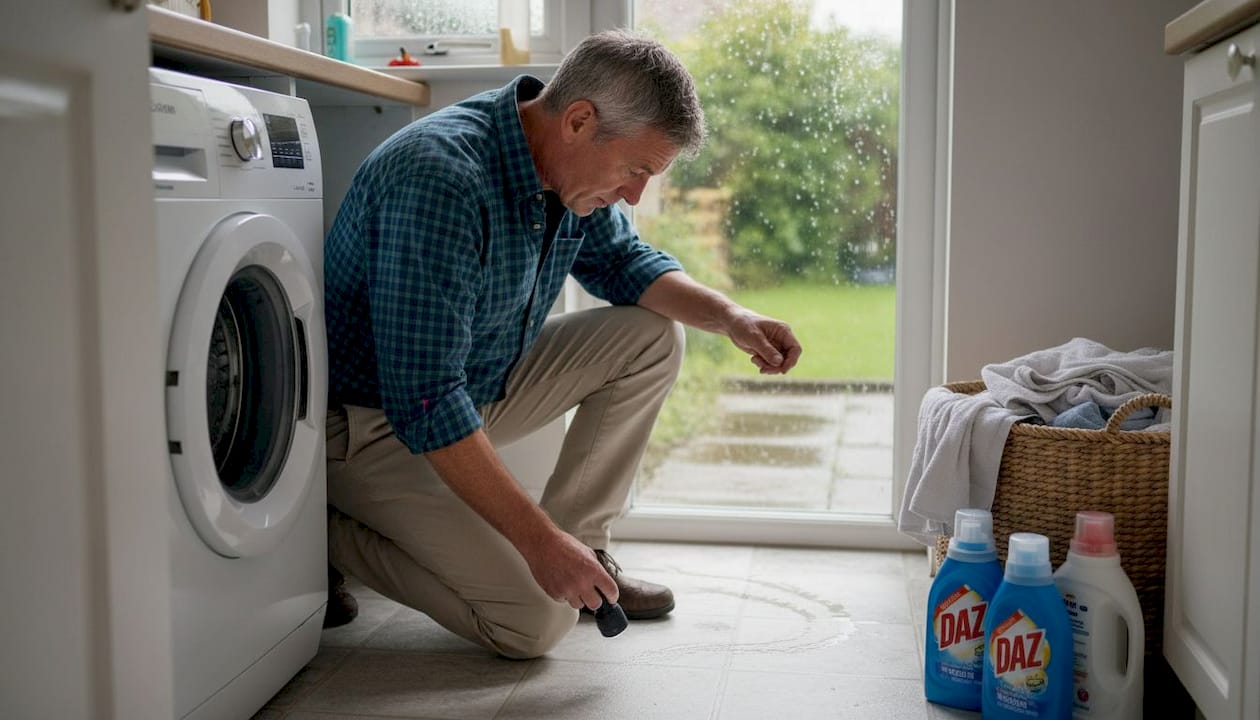
A burst pipe is a genuine emergency. Water can cause thousands of pounds of damage within minutes, so speed matters. Here is exactly what to do.
- Turn off the stopcock immediately. This is usually found under the kitchen sink or where the mains supply enters the property. Turning it clockwise shuts off the water.
- Turn on all cold taps to drain the system and reduce pressure.
- Switch off your boiler and immersion heater to prevent damage to the heating system.
- Locate the burst. Look for wet patches, bulging plaster, or water staining on ceilings.
- Call a qualified plumber as soon as the immediate situation is under control.
Turn off water at the stopcock, drain the system, and insulate exposed pipes to prevent repeat bursts during cold weather. Pipes in loft spaces, garages, and external walls are most vulnerable.
| Pipe location | Risk level | Prevention tip |
|---|---|---|
| Loft | Very high | Insulate with lagging |
| External walls | High | Draught-proof cavities |
| Garage | High | Keep door closed in winter |
| Under floors | Moderate | Check for draughts |
| Airing cupboard | Low | Keep door ajar for warmth |
For a full breakdown of what to do in an emergency, the emergency repair steps guide covers everything from isolation to temporary repairs.
Handling noisy pipes, low water pressure, and older properties
Noisy pipes and low pressure are less dramatic than a burst pipe, but they signal underlying problems that will not fix themselves.
Noisy pipes often indicate airlocks or water hammer, which is the banging sound caused by water flow being suddenly stopped. Limescale build-up is a common cause of reduced water pressure, and period properties may still have lead pipes, which pose a health risk.
Here is how to address each issue:
- Water hammer: Fit a water hammer arrestor on the affected pipe, or have a plumber secure loose pipes with additional brackets.
- Airlocks: Bleed the affected radiators or taps by attaching a hose between the hot and cold taps and running the cold water to force air out.
- Low pressure: Unscrew and clean the aerator (the small mesh filter) on your tap. Limescale often blocks it completely.
- Lead pipes: If your home was built before 1970, ask a plumber to check whether lead pipes are still in use. Replacement is strongly recommended.
"Limescale is a silent pressure thief. In hard water areas like London and the South East, it can reduce flow rates significantly within just a few years."
Pro Tip: If you are unsure whether your pipes are lead, scratch the surface gently with a coin. Lead pipes are soft, dull grey, and will show a shiny silver scratch mark.
Knowing when a problem is beyond DIY is important. Reading about professional plumbing solutions and choosing a plumber wisely can save you from costly mistakes.
Comparing solutions for common plumbing problems
Not every plumbing problem needs a professional, but some absolutely do. Here is a clear comparison to help you decide.
| Problem | DIY possible? | When to call a plumber |
|---|---|---|
| Blocked sink | Yes | If blockage persists after DIY |
| Dripping tap | Yes | If valve is corroded or seized |
| Silent toilet leak | Yes (dye test) | If cistern parts need replacing |
| Burst pipe | No | Immediately |
| Low water pressure | Partly | If aerator cleaning fails |
| Noisy pipes | Partly | If water hammer persists |
| Lead pipe replacement | No | Always use a professional |
Key takeaways for homeowners:
- Act quickly. Most plumbing problems worsen with time and inaction.
- Know where your stopcock is before an emergency happens.
- Never use chemical drain cleaners on older or plastic pipes.
- Annual checks catch problems before they become expensive.
- Always use a qualified, approved plumber for gas, lead, or structural work.
Get fast help for plumbing problems with expert support
Sometimes a problem is simply beyond what a plunger and a YouTube video can solve. That is where having a reliable, local plumber on call makes all the difference.

At 777 Plumber, we send fully employed, vetted technicians to your door with no call-out fees and no fix-no-fee charges. Whether you need our leak detection service for a hidden pipe problem, a fast response from a local plumber in Hotwells, or simply want to find a trusted plumber near you, we make it straightforward. Book online in minutes, get a clear price upfront, and have peace of mind that the job will be done properly the first time. We cover emergencies, scheduled repairs, and everything in between.
Frequently asked questions
What is the fastest way to unblock a kitchen sink?
Use a plunger first, then follow with bicarbonate of soda and white vinegar. Avoid chemical cleaners, as they can damage pipes and seals over time.
How can I detect a silent leak in my toilet?
Add food colouring to the cistern and wait 15 minutes without flushing. If colour appears in the bowl, you have a leak that wastes up to 400 litres per day.
What should I do if a pipe bursts in my house?
Turn off the stopcock, open all cold taps to drain the system, switch off the boiler, and contact a qualified plumber straight away.
What causes noisy pipes and water hammer?
Noisy pipes indicate airlocks or water hammer, usually caused by sudden changes in water flow. Bleeding the system or securing loose pipes with brackets typically resolves it.
Can I fix a dripping tap myself?
Yes. Turn off the water supply, disassemble the tap, and replace the worn washer or O-ring. It is a straightforward repair most homeowners can manage with basic tools.