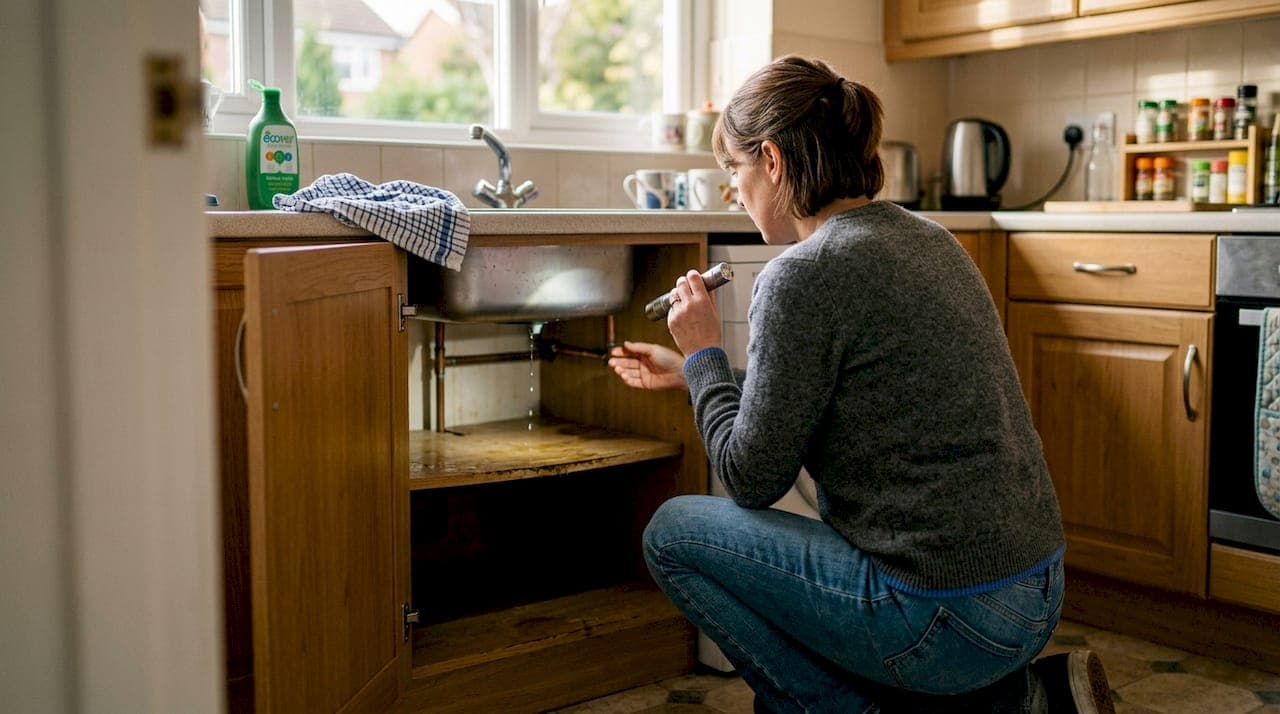
TL;DR:
- A plumbing emergency threatens property, safety, or health and requires immediate action.
- Signs include burst pipes, flooding, sewage backup, or water near electrical fittings.
- Turning off water and electricity, then calling a professional, is crucial during emergencies.
A plumbing emergency rarely announces itself with fanfare. One moment you have a small damp patch on the ceiling, and the next you are dealing with a flooded kitchen and a repair bill that makes your eyes water. Many of the worst plumbing disasters in UK homes start as minor, easy-to-dismiss warning signs that homeowners overlook until the situation spirals out of control. Knowing what to look for, understanding what truly counts as an emergency, and acting quickly can be the difference between a manageable repair and thousands of pounds in damage. This guide walks you through everything you need to know.
Table of Contents
- What makes a plumbing issue an emergency?
- Major signs you're facing a plumbing emergency
- Comparison: Emergency signs vs. minor plumbing problems
- Immediate actions: What to do if you spot emergency signs
- Why being proactive beats reacting to a plumbing emergency
- Fast, reliable help when every minute counts
- Frequently asked questions
Key Takeaways
| Point | Details |
|---|---|
| Spot emergencies quickly | Recognising warning signs can prevent major water damage and hefty repair costs. |
| Act fast and safely | Immediate shut-off and calling a qualified professional minimises risk to your home and family. |
| Know the difference | Use criteria and tables to distinguish urgent issues from minor repairs. |
| Prevention pays off | Maintaining plumbing and checking early signs helps avoid costly emergencies. |
What makes a plumbing issue an emergency?
Not every dripping tap or slow drain qualifies as an emergency. The word gets used loosely, but for homeowners, a true plumbing emergency is any situation that poses an immediate risk to your property, your health, or your safety. Understanding this distinction matters because it determines how fast you need to act and who you need to call.
So what separates an emergency from an ordinary plumbing fault? Think of it this way: a fault is inconvenient, but an emergency is actively causing harm or is about to. The emergency repair basics every homeowner should understand include recognising when a situation has crossed that line.
Common plumbing emergencies include:
- Uncontrolled leaks that you cannot stop or contain
- Burst pipes, especially common during cold UK winters
- Sewage backing up into sinks, toilets, or baths
- Complete loss of water supply to your home
- Flooding in any room, regardless of the source
- Water near electrical fittings, sockets, or your fuse box
The stakes are genuinely high. Unattended emergencies can lead to thousands in repairs, particularly when water damage affects flooring, walls, and structural timbers. Speed is everything. The longer you wait, the more the damage spreads, and the more expensive the fix becomes.
There are also types of plumbing repairs that sit in a grey area, such as a slow drip from a joint or a slightly blocked drain. These are not emergencies today, but they can become one tomorrow if left alone.
Pro Tip: If you are genuinely unsure whether your situation is an emergency, treat it as one. Calling a professional and finding out it was not urgent is far cheaper than waiting and discovering it was.
Major signs you're facing a plumbing emergency
With a clear definition in place, it is time to get specific. These are the physical warning signs that should prompt you to stop what you are doing and act immediately.
- Sudden loss of water pressure or supply. If your taps run dry or the pressure drops dramatically without explanation, you could have a burst main or a serious leak somewhere in your system.
- Fast-spreading or uncontrollable leaks. A leak that grows quickly, soaks through walls, or pools on the floor is not something you can mop up and forget about.
- Burst pipes. Pipes are most vulnerable in winter when temperatures drop. A burst pipe can release enormous volumes of water in a very short time.
- Sewage odours or visible waste backing up. This is both a health hazard and a sign of a serious blockage or failure in your drainage system.
- Flooding in any room. Water on your kitchen, bathroom, or utility room floor that is not from a known, contained source demands urgent attention. Flooding is a top sign of an emergency that homeowners should never dismiss.
- Strange banging or gurgling from pipes. These noises can signal pressure problems, air locks, or imminent pipe failure.
'Even a small leak can flood a home in minutes if a pipe gives way completely. Never assume a leak will stay small.'
Many homeowners are skilled at detecting water leaks early by checking for damp patches, water stains on ceilings, or unexplained rises in their water bill. These are not emergencies yet, but they are serious warnings. Catching them early is how you avoid solving common plumbing problems under pressure.
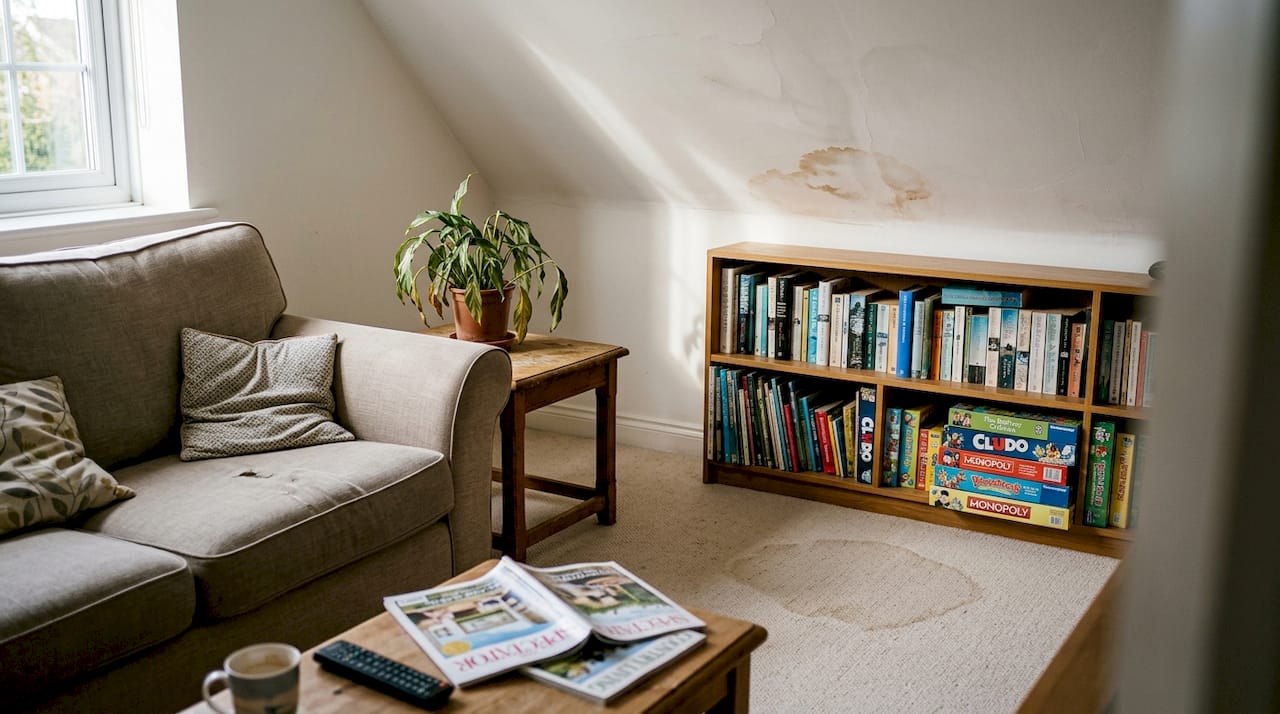
If you spot any of the six signs above, do not wait. The next section will help you decide just how urgent your specific situation really is.
Comparison: Emergency signs vs. minor plumbing problems
In a stressful moment, it can be hard to think clearly. This quick-reference table helps you sort an emergency from an everyday plumbing nuisance.
| Situation | Emergency? | Action needed |
|---|---|---|
| Burst pipe with flowing water | Yes | Shut off mains, call now |
| Sewage backing up into bath | Yes | Evacuate, call now |
| Flooding in any room | Yes | Shut off mains, call now |
| Water near sockets or wiring | Yes | Cut power, call now |
| Slow-draining sink | No | Book standard appointment |
| Dripping tap | No | Monitor, book soon |
| Toilet running constantly | No | Book within a few days |
| Low pressure in one tap | No | Check and book if persists |
Knowing the difference between these situations saves you money, reduces stress, and means you are not paying emergency rates for something that could wait until Monday morning.
Call a plumber immediately if you notice any of the following red flags:
- Water is spreading and you cannot stop it
- There is any smell of sewage inside your home
- Water is in contact with electrical fittings
- You have no access to running water at all
- A pipe has visibly cracked or burst
For issues that are not on that list, it is usually safe to book a standard appointment. A slow drain or a dripping tap is frustrating, but it will not flood your home overnight. Understanding plumbing and home safety helps you make better decisions under pressure, rather than either panicking unnecessarily or dangerously underreacting.
Immediate actions: What to do if you spot emergency signs
Now that you know what to watch for, here is exactly what to do the moment a plumbing emergency strikes. Acting in the right order matters.
- Turn off your mains water supply. Your stopcock is usually under the kitchen sink or near the water meter. Turn it clockwise to shut off the flow. This single action can prevent enormous damage.
- Switch off electricity if water is near wiring. Go to your fuse box and cut power to affected areas. Water and electricity together are extremely dangerous. Do not attempt to touch sockets or switches that may be wet.
- Move valuables and protect your belongings. Get rugs, electronics, and important documents away from any water. Place towels or buckets to slow the spread while you wait for help.
- Assess whether you need to evacuate. Sewage contamination or significant electrical risk may mean leaving the property until a professional arrives. Do not take risks with your family's health.
- Call an emergency plumber. Have your address ready, describe the problem clearly, and let them know how to access the property. Mains water issues can escalate within minutes, so do not delay this call.
- Follow the plumber's advice while you wait. They may give you additional steps to take over the phone before they arrive.
The emergency steps for homeowners above are most effective when you already know where your stopcock is and have a plumber's number to hand before disaster strikes.
| Contact | Number |
|---|---|
| 777 Plumber emergency line | 0117 911 3999 |
| National Gas Emergency | 0800 111 999 |
| Your water supplier (e.g. Wessex Water) | Check your bill |
Pro Tip: Write your emergency plumber's number, your stopcock location, and your water supplier's contact on a card and stick it near your fuse box. In a panic, you will not have to search for any of it.
Why being proactive beats reacting to a plumbing emergency
Here is something most guides will not tell you plainly: the majority of plumbing emergencies we see were preventable. Not because homeowners were careless, but because they were waiting for something to look obviously broken before acting.
A persistent drip ignored for six months. A slow drain that never quite cleared. A damp patch on a wall that was assumed to be condensation. These are the stories behind the flooded kitchens and the burst pipes. 'The costliest emergencies are often those that started small.'
The uncomfortable truth is that reactive plumbing costs far more than proactive plumbing. A routine check by a professional might cost you a modest call-out fee. A burst pipe repair, with associated water damage, redecoration, and potential insurance excess, can run into thousands. The maths is not complicated.
We would always encourage homeowners to use a professional plumber for regular checks, not just emergencies. Catching a failing joint or a corroded pipe section early is the kind of boring, unglamorous work that saves families enormous stress. Small investments in routine maintenance are genuinely the smartest thing you can do for your home.
Fast, reliable help when every minute counts
When a plumbing emergency hits, you need someone who picks up the phone and arrives quickly, not a call centre that puts you on hold. At 777 Plumber, our fully employed, in-house team is available around the clock, with no call-out fees and transparent pricing from the start.

We cover a wide range of areas across Bristol and beyond, including a dedicated Fishponds emergency plumber service and a reliable Golden Hill plumber team ready to respond fast. Whether you need urgent leak repairs or mains water leak detection, we have the tools and the experience to sort it quickly. Book online or call us directly and speak to a real person who can help you right now.
Frequently asked questions
What is the first thing to do if I spot a plumbing emergency?
Immediately turn off your home's main water supply at the stopcock, then call a 24hr emergency plumber. Immediate actions like these can prevent serious property damage from escalating further.
How do I know if a plumbing issue is truly an emergency?
If there is flooding, sewage backup, or any risk to health and safety, it is an emergency and you should call for help at once. Major water leaks that spread quickly always qualify as urgent.
Are electrical risks part of plumbing emergencies?
Yes, water near wires or sockets is extremely dangerous. Switch off the power at your fuse box and call for urgent help immediately. Flooding near electrics is one of the most hazardous situations a homeowner can face.
Can a slow leak wait for a regular appointment?
If the leak is fully contained, you can manage it temporarily, but call a plumber promptly since minor leaks can escalate into serious emergencies without warning.
What information will the emergency plumber need?
Be ready to describe the problem clearly, give your full address, and explain how to access the property. Providing these details upfront helps the plumber arrive prepared and deliver fast service from the moment they walk through the door.