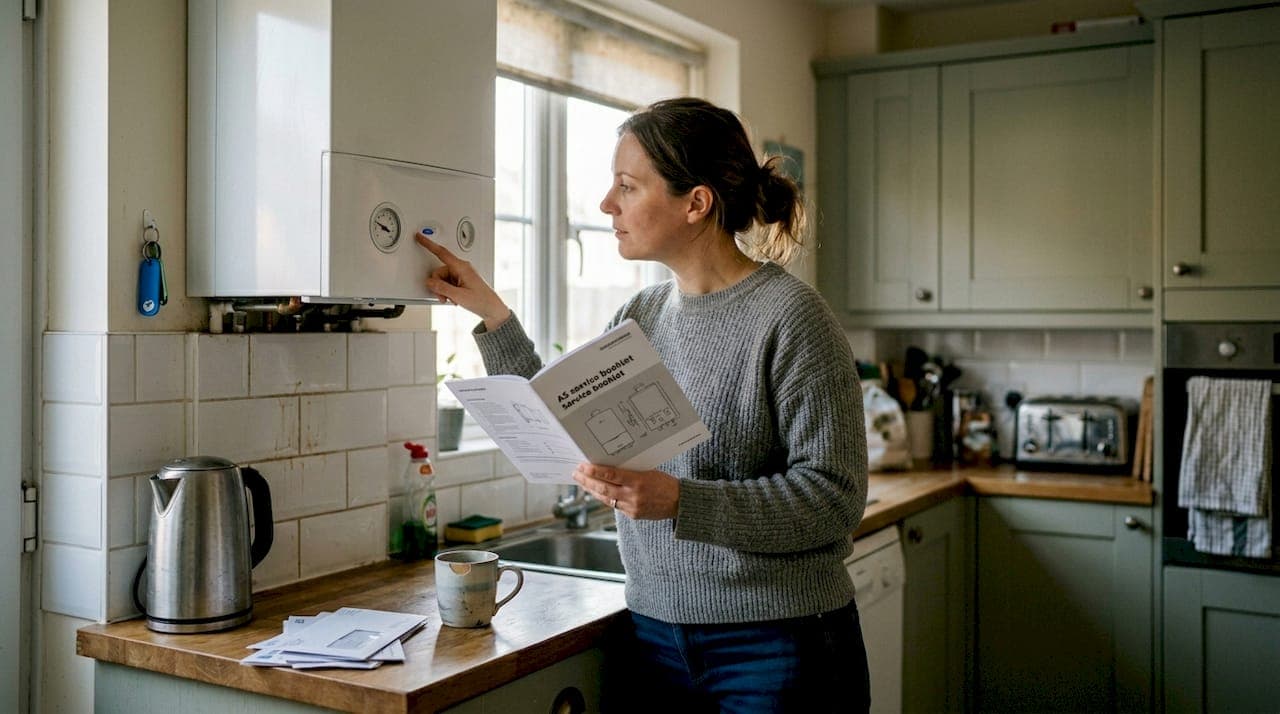
Gas leaks can happen in any home, whether it was built last year or fifty years ago. Many families assume their modern boiler or newly fitted kitchen means they are safe, but gas leaks occur in any home regardless of age or condition. A small, slow leak can go unnoticed for weeks, quietly putting your family at risk. This guide walks you through the real dangers, the warning signs to watch for, how to carry out checks, and what UK law requires of you as a homeowner. By the end, you will know exactly what to do and when to call in a professional.
Table of Contents
- Understanding the dangers of gas leaks
- Common causes and signs of gas leaks
- When and how to check for gas leaks
- UK regulations for gas safety and homeowner responsibilities
- Preventing gas leaks: best practices for UK homes
- A fresh perspective on gas leak safety
- Get reliable gas leak detection and support
- Frequently asked questions
Key Takeaways
| Point | Details |
|---|---|
| Safety first | Gas leaks threaten health and property, so regular checks are essential. |
| Spot warning signs | Be alert for gas smells, unusual sounds, or dying plants as indicators of leaks. |
| Legal obligations | Landlords must arrange annual checks, and all homeowners should maintain compliance. |
| Professional inspection | Certified specialists ensure thorough detection and peace of mind. |
| Preventive action | Routine maintenance and rapid response minimise risks and costs. |
Understanding the dangers of gas leaks
Gas leaks are not just an inconvenience. They are a genuine threat to life, property, and your legal standing as a homeowner. The most serious risk is carbon monoxide poisoning. Carbon monoxide is a colourless, odourless gas produced when natural gas burns incompletely, and it can be fatal in enclosed spaces. Exposure to gas leaks significantly raises the risk of carbon monoxide poisoning, which kills around 60 people in England and Wales every year.
Beyond poisoning, undetected gas leaks create a serious fire and explosion hazard. Even a small spark from a light switch can ignite accumulated gas in a room. The consequences can be catastrophic and irreversible.
Symptoms of gas exposure are easy to dismiss as everyday ailments, which is exactly what makes them so dangerous. Watch out for:
- Persistent headaches, especially in the morning
- Unexplained nausea or dizziness
- Fatigue or difficulty concentrating
- Symptoms that improve when you leave the house
If multiple family members feel unwell at the same time, do not ignore it. That pattern is a red flag.
"Carbon monoxide is sometimes called the silent killer because you cannot see, smell, or taste it. By the time symptoms appear, exposure may already be serious."
From a legal standpoint, UK gas safety law places clear obligations on landlords and strong responsibilities on all homeowners. Failing to act on a known gas risk can result in prosecution. Understanding plumbing home safety is not optional. It is a core part of responsible home ownership.
Common causes and signs of gas leaks
Knowing what causes gas leaks helps you identify where your home is most vulnerable. Most leaks stem from faulty appliances, damaged pipes, or poor installation work. These problems can develop gradually over time or appear suddenly after building work or a new appliance is fitted.
Common causes include:
- Ageing or corroded gas pipes, particularly in older properties
- Poorly installed or maintained boilers, cookers, and gas fires
- Loose or damaged pipe fittings disturbed during renovation work
- Appliances that have not been serviced for several years
The warning signs of a gas leak are often subtle, especially in the early stages. Your nose is your first line of defence. Natural gas is odourless on its own, but suppliers add a chemical called mercaptan that gives it a distinctive rotten egg or sulphur smell. If you notice that smell anywhere in your home, treat it seriously.
Other signs to look out for:
- A hissing or whistling sound near a gas pipe or appliance
- Yellow or orange flames on a gas hob instead of the normal blue
- Soot or scorch marks around appliances
- Houseplants dying for no obvious reason, as gas in the soil kills roots
- Condensation on windows near a gas appliance
If you spot any of these signs, open windows, avoid using switches or naked flames, and get everyone out of the house. Call the National Gas Emergency Service on 0800 111 999 immediately. You can also learn more about how to detect water leaks as part of a broader approach to home safety.
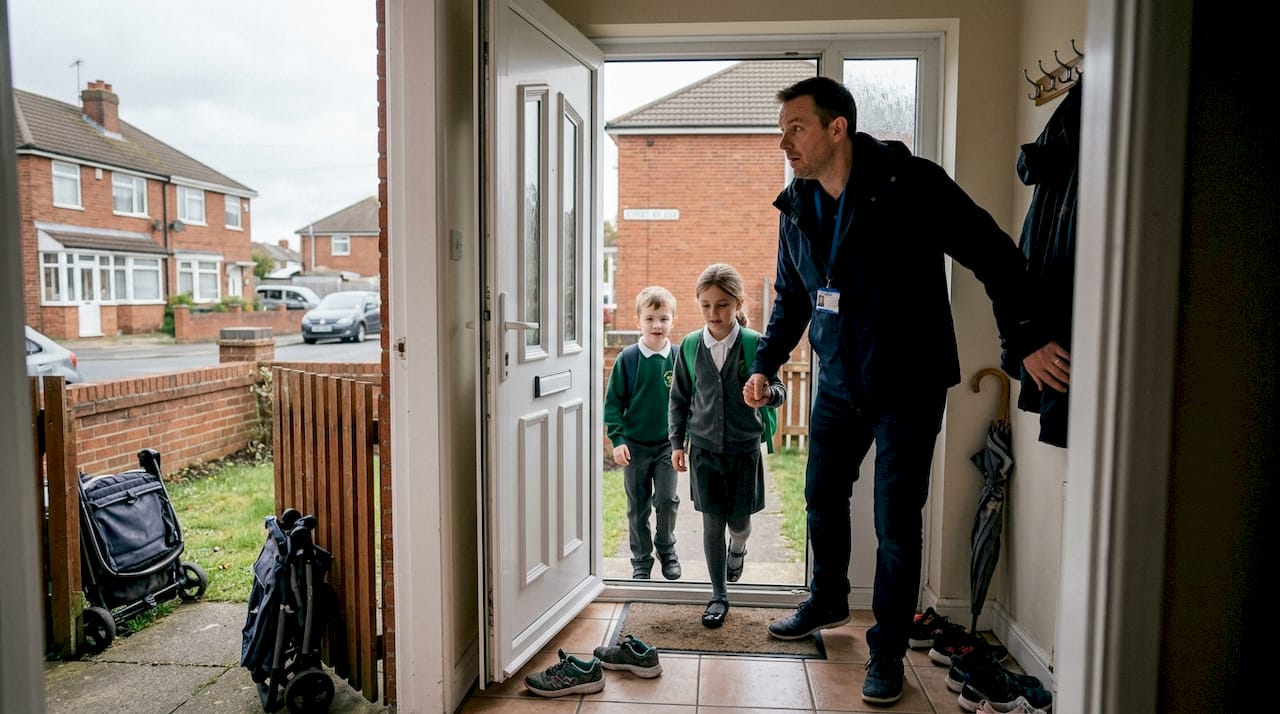
Pro Tip: Never use a lighter or match to check for a gas leak. Use your senses and a professional detector instead.
When and how to check for gas leaks
Routine checks are far more effective than waiting for something to go wrong. There are two main approaches: what you can do yourself and what a professional should handle.
Here is a step-by-step approach to a basic DIY check:
- Smell each room, particularly near the boiler, cooker, and any gas fires
- Listen for hissing sounds close to pipes and appliances
- Check pilot lights. A healthy flame is blue. Yellow or orange means incomplete combustion
- Apply soapy water to visible pipe joints. Bubbles forming indicate escaping gas
- Check your gas meter. If the dial moves when all appliances are off, gas may be escaping
However, DIY checks have real limits. Professional checks are more thorough than anything a homeowner can carry out alone. Engineers use specialist equipment including electronic gas detectors and pressure testing tools that can find leaks invisible to the naked eye.
| Method | What it detects | Reliability | Cost |
|---|---|---|---|
| DIY visual check | Obvious signs only | Low to moderate | Free |
| Soapy water test | Visible pipe joints | Moderate | Free |
| Carbon monoxide alarm | CO build-up | Moderate | Low |
| Professional inspection | All leak types | High | Moderate |
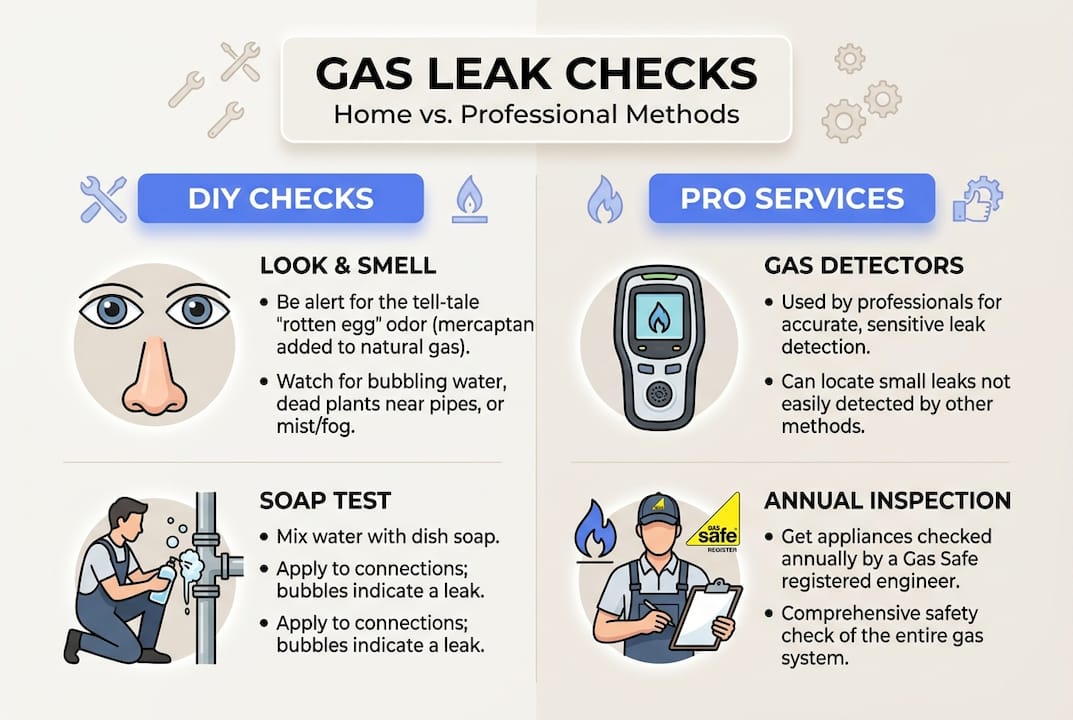
For frequency, annual checks are the gold standard, and you should also arrange an inspection after any major building work, a new appliance installation, or if you move into a property. Gas leak detection by a qualified engineer gives you documented proof that your home is safe.
Pro Tip: Fit a carbon monoxide alarm on every floor of your home. Test it monthly and replace it every seven years.
UK regulations for gas safety and homeowner responsibilities
Understanding your legal position is just as important as knowing the practical checks. In the UK, all gas work must be carried out by an engineer registered with the Gas Safe Register. This replaced CORGI registration in 2009 and is the only legally recognised qualification for gas work in Great Britain.
Annual safety checks are a legal requirement for landlords, who must provide tenants with a Gas Safety Record within 28 days of each inspection. Failure to comply can result in fines or prosecution.
For homeowners who occupy their own property, checks are not legally mandatory but are strongly advised. The moral and financial case for regular inspections is clear.
| Who | Legal requirement | Recommended frequency |
|---|---|---|
| Landlord | Yes, annual | Every 12 months |
| Owner-occupier | No | Every 12 months |
| New homeowner | No | On moving in |
| Post-renovation | No | After any gas work |
Key responsibilities to keep in mind:
- Only use Gas Safe registered engineers for any gas work or inspection
- Keep records of all inspections and certificates
- Ensure tenants receive their Gas Safety Record promptly
- Check plumbing accreditation before hiring any engineer
When hiring a professional, ask to see their Gas Safe ID card. Every registered engineer carries one, and you can verify their details on the Gas Safe Register website. You can also review annual checks guidance to understand what a thorough inspection should cover.
Preventing gas leaks: best practices for UK homes
Prevention is always cheaper and safer than dealing with an emergency. Routine maintenance of appliances and pipes significantly reduces the risk of a leak developing in the first place. A few consistent habits can make a real difference to your family's safety.
Top prevention strategies:
- Book an annual boiler service with a Gas Safe registered engineer
- Have all gas appliances, including cookers and fires, serviced regularly
- Replace flexible gas hoses on cookers every five years, as they degrade over time
- Never attempt to repair or modify gas pipes or appliances yourself
- Ensure adequate ventilation in rooms with gas appliances
- Install carbon monoxide alarms and test them regularly
- Ask your engineer to check all visible pipework during each visit
One area families often overlook is the period after a kitchen or bathroom renovation. Tradespeople working on other systems can accidentally disturb gas pipes or fittings. Always arrange a gas safety check after any significant building work, even if no one touched the gas supply directly.
Staying on top of annual plumbing checks is one of the most effective ways to catch small problems before they become dangerous ones. Think of it like an MOT for your home.
Pro Tip: Keep a home safety folder with copies of all gas certificates, boiler service records, and engineer contact details. If you ever sell your home, this documentation adds real value.
A fresh perspective on gas leak safety
Most articles on gas safety focus on what to do in an emergency. That is important, but it misses the bigger picture. The real problem is complacency. Families go years without a gas check because nothing has gone wrong yet, and that absence of disaster feels like proof of safety. It is not.
New builds are not immune either. Poor installation, substandard fittings, or a single rushed joint can create a leak from day one. The assumption that a new property is automatically safe is one of the most common and costly misconceptions we encounter.
The hidden benefit of regular checks goes beyond safety. Engineers often spot inefficiencies during inspections, a boiler running harder than it should, a pilot light slightly off, that quietly inflate your energy bills. Fixing those issues pays for the inspection itself.
Waiting for a problem to appear before acting is a false economy. Expert leak detection gives you certainty, not just reassurance. There is a meaningful difference between those two things, and your family deserves the former.
Get reliable gas leak detection and support
If reading this has prompted you to think about when your home last had a proper gas safety check, that instinct is worth acting on. At 777 Plumber, our fully employed, Gas Safe registered engineers carry out thorough inspections with no call-out fees and transparent pricing from the start.

Whether you need an emergency response or a routine annual inspection, we are ready to help. Homeowners across Bristol and the surrounding area, including those in Hotwells, Eastfield, and Headley Park, can book online quickly and easily. We never use subcontractors, so you always know exactly who is coming to your home.
Frequently asked questions
How often do UK homeowners need professional gas leak checks?
Annual checks are required for UK landlords, and annual inspections are strongly recommended for all homeowners, particularly after major works or appliance changes.
What are the first signs of a gas leak at home?
Warning signs include a sulphur or rotten egg smell, hissing noises near pipes, dying houseplants, and yellow or orange flames on gas appliances instead of blue.
Are DIY gas leak checks reliable?
DIY checks can help you spot obvious warning signs, but professionals detect leaks more reliably using specialist equipment, ensuring full safety and legal compliance.
Is it illegal not to check for gas leaks?
Landlords are legally obliged to arrange checks annually, while owner-occupiers are strongly advised to do the same for the safety of everyone in the household.
How do I choose a qualified gas leak inspector?
Always hire a Gas Safe registered engineer and verify their credentials before any work begins, as professional accreditation ensures safe, compliant inspections.