TL;DR:
- A burst pipe in winter can cause extensive home damage, flooding, and costly repairs, making prevention essential. Preparing by insulating vulnerable pipes, keeping the heating on, and knowing how to respond swiftly to frozen pipes minimizes risks. Professional inspections and timely action are key to safeguarding homes during cold months.
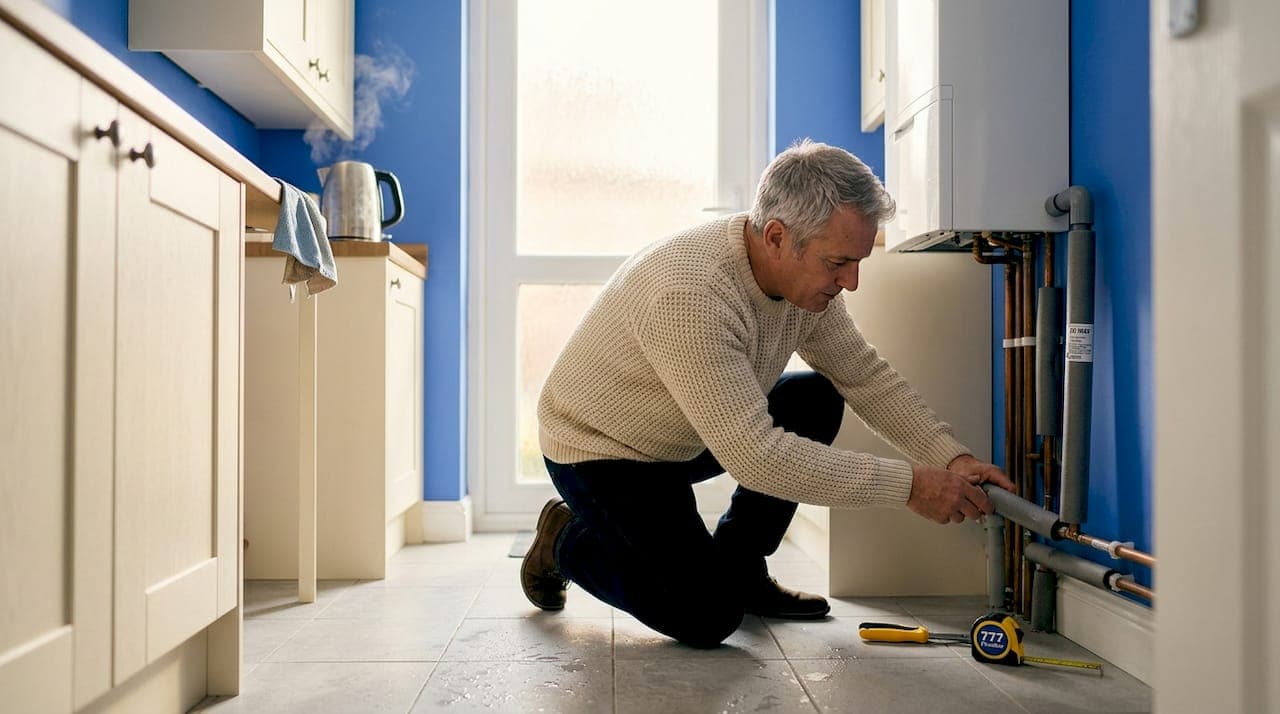
A burst pipe in winter is not just an inconvenience. It can flood your home, destroy floors and ceilings, and leave you without heating or hot water for days while repair bills climb into the thousands. Knowing how to winterize home plumbing before temperatures drop is one of the most practical things you can do as a UK homeowner. This guide covers everything from identifying vulnerable pipes to step-by-step insulation, safe thawing techniques, and what to do when things go wrong.
Table of Contents
- Understanding the risks of frozen and burst pipes
- Preparing your home plumbing for winter
- How to winterise your plumbing: step-by-step guide
- Dealing with frozen pipes and common winter plumbing problems
- Expert tips and common misconceptions about winter plumbing protection
- Rethinking winter plumbing preparation: avoid common pitfalls
- Professional winter plumbing services to protect your home
- Frequently asked questions
Key Takeaways
| Point | Details |
|---|---|
| Know your stop tap | Locate and learn to use your home’s main water shut-off valve to quickly stop water if pipes freeze or burst. |
| Maintain heating | Keep your heating at least 14°C overnight and when away to prevent pipe freezing and damage. |
| Insulate vulnerable areas | Lag all exposed pipes, especially in unheated spaces like lofts and garages, and insulate outdoor taps. |
| Drain outdoor pipes | Turn off outside water supply and open outside taps to drain pipes and reduce frost damage risk. |
| Safe thawing methods | If pipes freeze, thaw them slowly with safe heat sources like hot water bottles or hairdryers, avoiding open flames. |
Understanding the risks of frozen and burst pipes
Water behaves in a way that catches many homeowners off guard. Unlike most liquids, water expands when it freezes, increasing pressure inside joints and pipes to the point where splits and bursts become likely. That pressure has nowhere to go, and the result is a crack or rupture that may not become obvious until the pipe thaws and water starts pouring out.
Some parts of your home are far more exposed than others. These are the areas that need your attention first:
- Loft spaces and roof voids where pipes run through unheated areas
- Garages and outbuildings with no consistent heat source
- Pipes running along external walls that are exposed to outdoor temperatures
- Outdoor taps and garden hose connections
- Condensate pipes on combi boilers, which run outside and are frequently forgotten
The condensate pipe point is worth pausing on. If your boiler shuts down on a cold morning and shows a fault code, a frozen condensate pipe is often the culprit. It is a plastic pipe, usually white or grey, that exits through an external wall. A brief thaw using warm water can get your heating back on, but it should also prompt you to insulate that pipe properly before the next cold snap. Following these winter plumbing tips before November is a far less stressful option than dealing with a boiler shutdown at midnight in January.
"Understanding which parts of your system are most exposed is the foundation of all good plumbing winter preparation. Once you know your vulnerabilities, protection becomes straightforward."
Preparing your home plumbing for winter
Good plumbing winter preparation is not complicated, but it does require you to act before cold weather arrives rather than during it. There are several core actions every homeowner should carry out each autumn.
Keep heating on at a minimum of 14°C overnight and when you are away from home. This single habit prevents the majority of frozen pipe incidents. It costs far less than a plumber's emergency call-out.
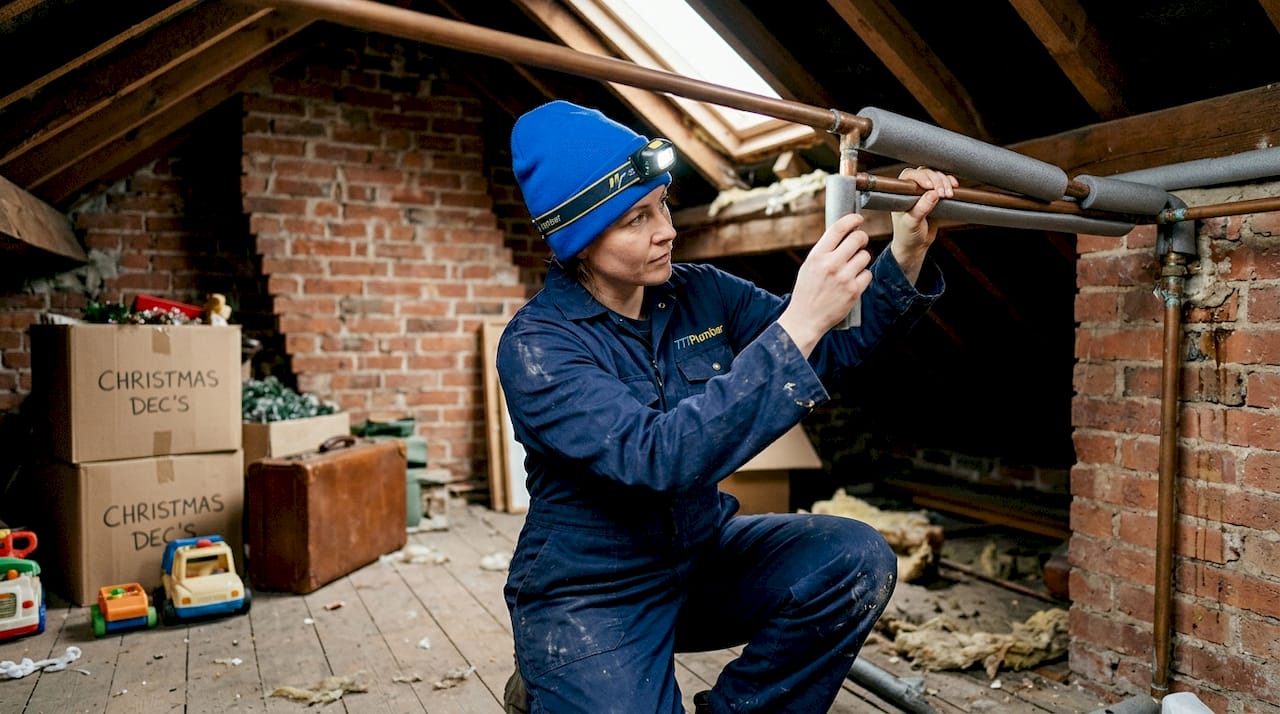
Insulate all pipes in unheated areas, and insulate or drain water tanks in loft spaces. There is one critical mistake to avoid: do not place loft insulation beneath a cold water tank. That insulation blocks the warmth rising from the rooms below, which is often the only thing keeping that tank from freezing overnight.
Here is a quick overview of the key preparation tasks and how urgently they should be completed:
| Task | Priority | When to complete |
|---|---|---|
| Set heating minimum to 14°C | High | Before first cold night |
| Insulate pipes in loft and garage | High | October at latest |
| Locate and test stop tap | High | Immediately |
| Insulate outdoor taps | Medium | Before first frost |
| Service boiler | High | Annually, ideally autumn |
| Drain garden hoses and outdoor pipes | Medium | Before October ends |
| Insulate condensate pipe | High | Before first cold snap |
Knowing where your stop tap is sounds obvious. But many homeowners only discover they cannot find it when water is already pouring through a ceiling. It is usually located under the kitchen sink, though it can also appear in a utility cupboard, cellar or garage. Turn it off and back on once a year to confirm it moves freely. A seized stop tap in an emergency is a serious problem.
Booking annual plumbing checks with a qualified engineer ensures your boiler, pipework and lagging are all in the best possible shape heading into winter. An engineer will also spot things you might miss, such as a section of pipe that has lost its insulation or a joint that is already showing early signs of wear.
Pro Tip: If you plan to be away from home for more than a few days during winter, ask a trusted neighbour to check on the property every day or two. A burst pipe in an empty house can cause catastrophic damage before anyone notices.
For a fuller look at what good winter plumbing preparation involves, it is worth reviewing a dedicated preparation checklist before the cold season begins.
How to winterise your plumbing: step-by-step guide
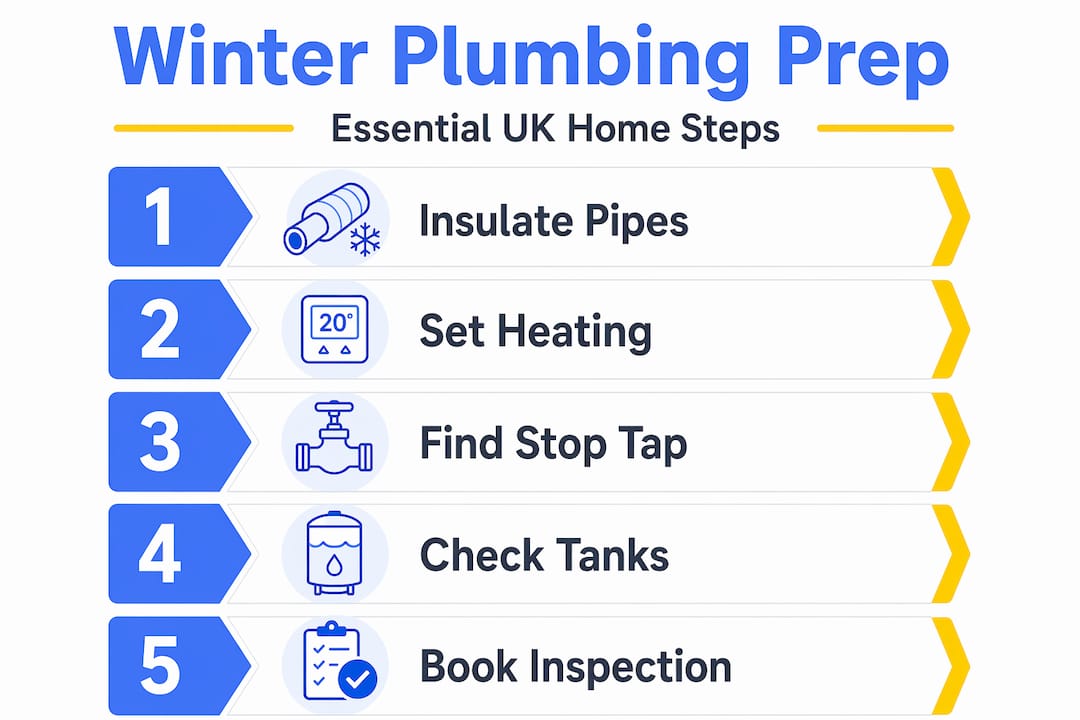
This is where preparation becomes action. Follow these steps in order before temperatures regularly drop below freezing.
- Disconnect all garden hoses from outdoor taps. Water left sitting in a connected hose can freeze back into the tap and the pipe behind it.
- Locate the isolation valve for outdoor taps. If your home has a separate indoor valve controlling the outdoor supply, turn it off now.
- Open each outdoor tap after isolating the supply to drain any remaining water from the pipe runs. Leave them open briefly, then close.
- Wrap outdoor taps with insulating tap covers, foam lagging, or old cloths secured with waterproof tape. Insulating outdoor taps and disconnecting hoses prevents frost damage to one of the most commonly overlooked parts of the system.
- Lag all exposed pipes in unheated spaces using foam pipe insulation, also called lagging. Pay particular attention to loft pipes, garage pipes, and any pipework running along an external wall.
- Insulate the condensate pipe from your boiler using outdoor-grade foam lagging. This is the most frequently frozen pipe in UK homes with combi boilers.
- Set your thermostat to maintain at least 14°C even when the house is unoccupied. Use a timer rather than leaving heating off entirely.
- Test your stop tap to ensure it turns freely and you know exactly where it is.
Additional things to keep in mind:
- Do not insulate beneath a cold water storage tank in the loft
- Check for any existing pipe insulation that is cracked, damp, or has slipped out of position
- Note the location of your boiler's reset button and keep the manual accessible
Pro Tip: Use self-adhesive foam lagging rather than loose-fitting tape on awkward pipe bends. It seals more effectively and stays in place through winter temperature swings.
If any pipework looks damaged or your stop tap is seized, that is the point to call in a professional. A proper pipe repair checklist helps you assess what needs professional attention versus what you can handle yourself. For anything structural or involving the boiler, using a professional plumber is the sensible call.
Dealing with frozen pipes and common winter plumbing problems
Even with good preparation, a sudden cold snap can still catch a vulnerable section of pipe. Knowing how to respond quickly and correctly limits the damage significantly.
Signs that a pipe has frozen:
- Water pressure drops or stops entirely at a tap or shower
- Visible frost or ice on an exposed pipe
- A faint cracking or creaking sound from within walls during a cold night
- Your boiler shuts down with a fault code (often the condensate pipe)
The moment you suspect a frozen pipe, follow these steps:
- Turn off the stop tap immediately. This prevents water from flooding the affected area once the pipe thaws.
- Open the taps on the affected circuit to relieve any pressure that has built up.
- Begin thawing gently, starting from the tap end and working back towards the frozen section. Thaw pipes slowly using hot water bottles wrapped in cloth, warm towels, or a hairdryer set to low or medium heat. Never use naked flames or a blowtorch.
- Inspect for leaks once the pipe has thawed. Run your hand along exposed sections and watch for drips or wet patches.
- If any leak is present, turn the water off again and call a qualified plumber.
"Open flames near pipework are not just ineffective. They can scorch plastic pipes, crack copper joints, and in extreme cases start a fire inside a wall cavity."
Having the contact details of a trusted, approved plumber stored in your phone before winter arrives is not being overly cautious. It is sensible planning. Our emergency plumbing guide walks you through exactly what to do while you wait for a plumber to arrive. For smaller issues you can manage yourself, this pipe repair DIY guide covers the basics safely.
Pro Tip: Keep a hot water bottle and a roll of old towels in an accessible spot during winter. They are the safest, most effective first-response tools for a frozen pipe and cost nothing to have ready.
Expert tips and common misconceptions about winter plumbing protection
One of the biggest misconceptions homeowners hold is that turning the heating off while away saves money and has no downside. It does save money on energy. It also dramatically increases the risk of frozen and burst pipes, which cost far more to repair than a week of low-level heating.
Simply leaving the heating off is insufficient protection. Unheated spaces and outdoor taps require specific lagging and draining regardless of what the thermostat is doing indoors. The loft, garage, and any room without a radiator are effectively at outdoor temperatures once the heating is off.
Another common error involves insulation placement. Loft insulation placed beneath a water tank blocks the rising warmth from the rooms below, which is often the primary heat source keeping that tank above freezing. The insulation should go around and above the tank, not underneath it.
Key expert tips for a comprehensive home plumbing winter guide approach:
- Target unheated zones specifically. The heated living areas of your home are rarely where pipes freeze.
- Condensate pipes deserve the same attention as loft pipework. They are often overlooked because they are small and discreet.
- Plumbing accreditation matters when choosing who services your system. WaterSafe-approved engineers follow recognised standards for installation and repairs.
- If something looks wrong with your pipework, a professional assessment is cheaper than waiting for the problem to worsen. Common winter plumbing repairs are well understood by experienced plumbers and rarely as expensive as a burst pipe claim.
"The most expensive winter plumbing problem is always the one that was preventable with a small amount of preparation in October."
Rethinking winter plumbing preparation: avoid common pitfalls
Most winter plumbing advice focuses on the obvious: lag your pipes, keep the heating on, know your stop tap. That advice is correct. But the way most homeowners apply it tends to miss the most vulnerable parts of the system entirely.
People instinctively focus on what they can see and what is already warm. The airing cupboard gets attention. The kitchen pipes get attention. The loft hatch stays closed, the garage goes unchecked, and the outdoor tap gets a polite thought but no action. Then January arrives, temperatures drop to minus four, and the pipe in the loft that nobody insulated splits overnight.
WaterSafe's approach frames winter protection around three clear pillars: keep pipes warm through heating, insulate well in all exposed areas, and have an immediate shut-off plan so you can minimise damage when something does go wrong. That third pillar is the one most homeowners skip. Knowing exactly where your stop tap is and confirming it works is not exciting, but it is the difference between a minor incident and a flooded ground floor.
There is also a tendency to treat winterisation as a one-afternoon task. In reality it is a set of habits: checking insulation annually, having the boiler serviced before winter, confirming the condensate pipe is lagged, and telling someone where your stop tap is if you are going away. The physical work takes a few hours. The mindset is what most homeowners need to shift.
Professional support is not a last resort. Booking a pre-winter inspection with a qualified plumber through a resource like winter plumbing preparation tips is genuinely useful. An engineer sees things you will not, assesses insulation quality, and identifies pipe runs that are quietly vulnerable. The benefits of a professional plumber extend well beyond emergency call-outs. Prevention is always the smarter investment.
Professional winter plumbing services to protect your home
Winter preparation is significantly easier when you have a qualified professional assess your system before cold weather arrives. At 777 Plumber, our fully employed engineers carry out boiler servicing, pipe insulation, and system checks that give you confidence heading into the coldest months.

If a frozen or burst pipe does occur, our rapid response team is ready to help with no call-out charges and transparent pricing from the start. We do not use subcontractors, which means the same quality and accountability every time. Whether you need a local plumber in Eastfield or broader support across our service areas, we are equipped to handle everything from emergency repairs to full pre-winter inspections. Visit 777 Plumber to book online or find out more about how we can help protect your home this winter.
Frequently asked questions
Where is the stop tap usually located in UK homes?
The stop tap is commonly found under the kitchen sink, but it can also be in a cupboard, garage or cellar. Knowing its exact location lets you shut off water immediately in an emergency rather than searching while damage spreads.
What temperature should I keep my heating to avoid frozen pipes?
Keep heating at 14°C minimum overnight and when you are away from home. Even a modest background temperature is enough to prevent the vast majority of pipe freezing incidents in UK homes.
How should I thaw a frozen pipe safely?
Thaw pipes slowly using hot water bottles wrapped in cloth, warm towels, or a hairdryer on a low to medium setting. Never use naked flames or a blowtorch, as these risk cracking joints, scorching plastic pipes, and causing fire.
How can I protect outdoor taps during winter?
Isolate the outside water supply, disconnect all hoses, and then open each tap to drain remaining water from the pipework before insulating taps with foam covers or lagging to prevent frost damage.
Why is proper insulation placement important for water tanks?
Placing loft insulation under a tank blocks the warm air rising from rooms below, which often provides the only passive heat keeping the tank above freezing. Correct placement means insulating around and above the tank, not beneath it.