TL;DR:
- Burst pipes can occur in any UK home due to freezing, poor insulation, or pressure spikes.
- Immediate damage includes flooding, mold, electrical hazards, and long-term property deterioration.
- Preventative measures like insulation, maintaining heating, and knowing your stopcock can avoid costly repairs.
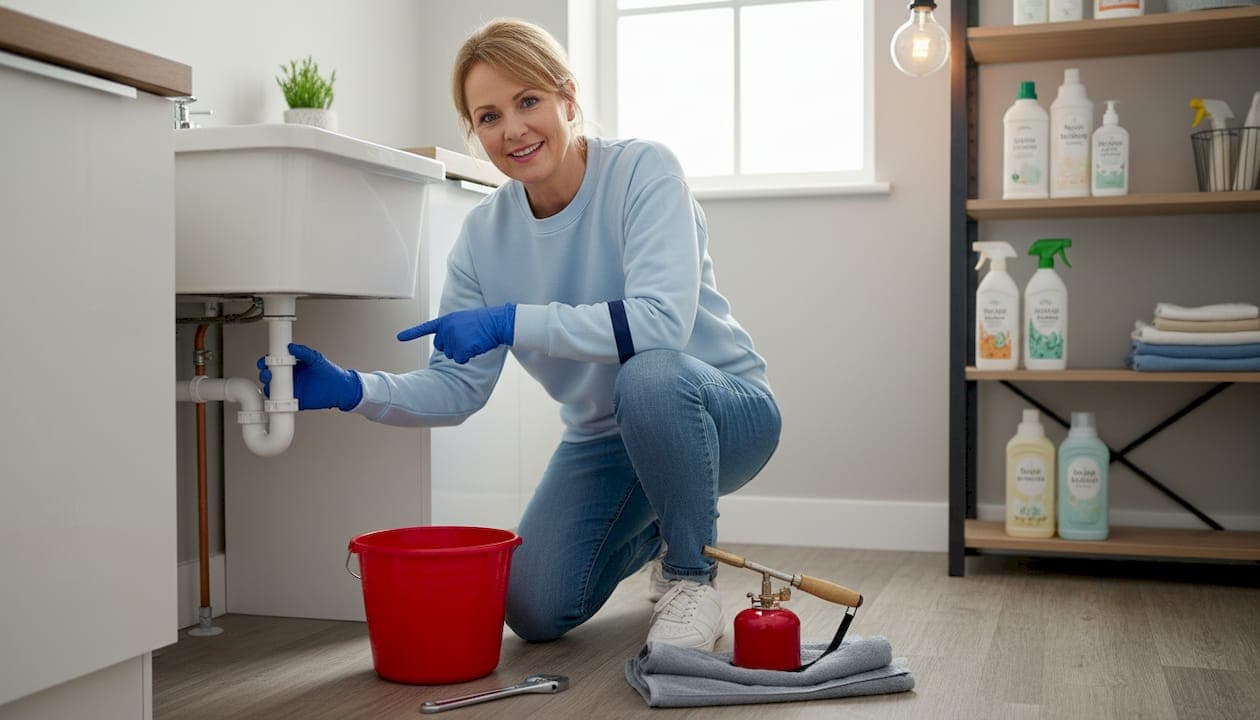
A small crack in a pipe can release hundreds of litres of water within minutes, turning a hidden flaw into a ruinous disaster before you even notice the damp patch on your ceiling. Most UK homeowners assume burst pipes are a problem for Victorian terraces or neglected rental properties, but the evidence tells a different story. Freezing temperatures, poor insulation, and even water pressure spikes can rupture pipes in any home, regardless of age. This guide breaks down exactly what happens when a pipe bursts, the true financial and health consequences, and the practical steps you can take right now to protect your home.
Table of Contents
- What actually happens when a pipe bursts?
- The real risks: Property, health and hidden dangers
- Financial fallout: The true cost of burst pipes in the UK
- Prevention strategies all UK homeowners need to know
- Why burst pipe risk isn't going away: UK trends and future outlook
- A plumber's take: How worry leads to prevention, not panic
- Reliable help if you need it: Professional plumbing support on call
- Frequently asked questions
Key Takeaways
| Point | Details |
|---|---|
| Damage goes beyond leaks | Burst pipes can cause serious structural, health and electrical hazards within minutes. |
| Prevention is affordable | Basic insulation and regular checks cost far less than the average repair bill. |
| No home is immune | Both old and new properties are at risk if insulation or maintenance is neglected. |
| Insurance has limits | Some claims are denied if you do not maintain or protect your pipes properly. |
| Expert help matters | Professional plumbers can spot risks and prevent disasters with timely maintenance. |
What actually happens when a pipe bursts?
Behind your walls, pipes are under constant pressure. In the UK, mains water pressure typically sits between 1 and 3 bar. That pressure is manageable under normal conditions, but when temperatures drop below zero, water inside exposed pipes begins to freeze. Water expands by roughly 9% as it turns to ice, and that expansion has nowhere to go. The pressure builds until the pipe wall gives way.
The most vulnerable spots are not always obvious. Pipes in lofts, garages, and along external walls are most at risk because these areas are rarely heated. A pipe tucked behind insulation in a warm kitchen is far safer than one running through an unheated loft space, even if the kitchen pipe is older. That is the detail many homeowners miss when spotting pipe leaks early enough to act.
One of the most persistent myths is that only old or corroded pipes burst. In reality, even modern copper and plastic pipes will fail if they are uninsulated and exposed to sustained cold. Age matters far less than location and insulation quality.
Once a pipe ruptures, the chain of events moves fast:
- Water floods the surrounding cavity within seconds
- Ceilings and walls absorb moisture rapidly, weakening their structure
- Electrics in damp walls become a live hazard
- Mould spores begin to develop within 24 to 48 hours
- Flooring, joists, and plasterwork all start to deteriorate
As major plumbing issues research confirms, burst pipes cause immediate flooding, structural damage, mould growth, electrical hazards, and long-term property devaluation. This is not a slow-burn problem. It escalates in hours.
| Pipe location | Freeze risk level | Common cause |
|---|---|---|
| Loft | Very high | Unheated, uninsulated space |
| Garage | High | No central heating |
| External wall | High | Direct cold exposure |
| Under kitchen sink | Low | Heated room, insulated cabinet |
| Airing cupboard | Very low | Consistently warm environment |
Remember: Understanding plumbing and home safety as a whole helps you spot vulnerabilities before they become emergencies.
The real risks: Property, health and hidden dangers
Understanding the mechanics is one thing, but what are the real-life consequences if disaster strikes? The answer goes well beyond a soggy carpet.
The most immediate risk is flooding. Water does not stay where it lands. It travels through floorboards, soaks into wall cavities, and pools in ceiling voids. Within hours, flooring, skirting boards, and plasterwork can be beyond saving. Furniture, electronics, and personal belongings caught in the flood are often total losses.
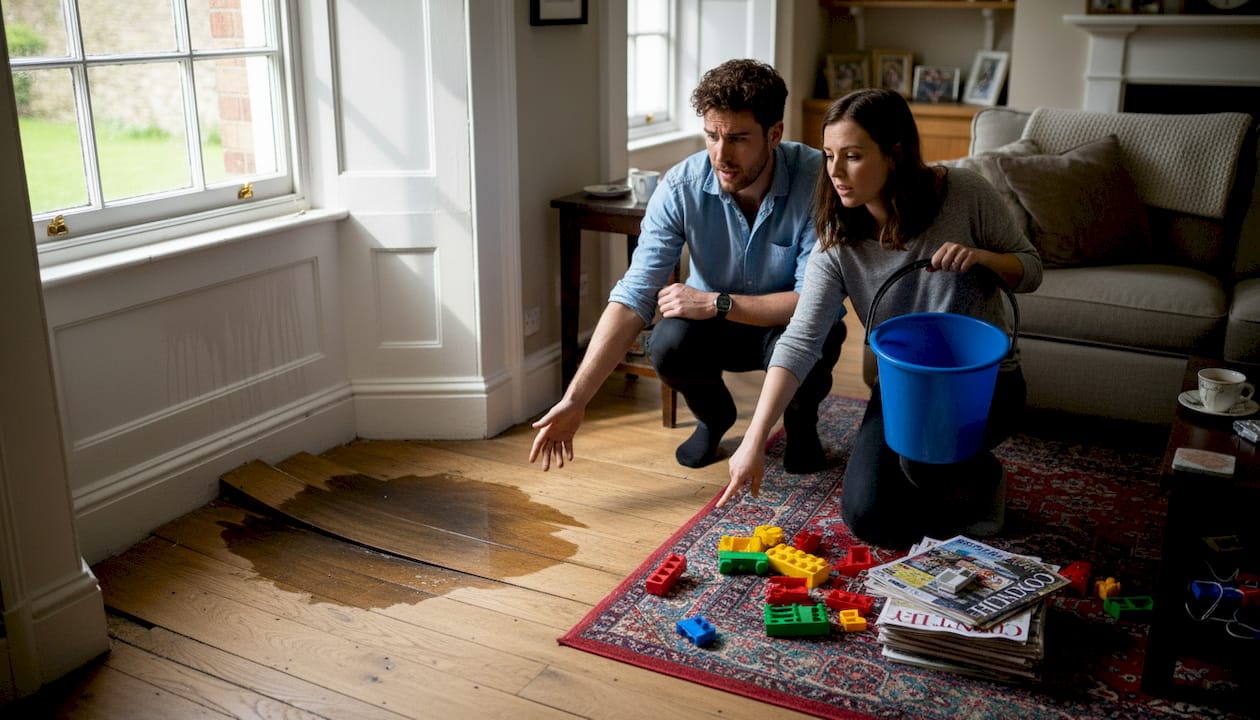
Mould is the next threat, and it is frequently underestimated. People tend to think of mould as a cosmetic issue, a bit of black around the bathroom tiles. But mould growing inside wall cavities and beneath floorboards is a serious health hazard, particularly for children, the elderly, and anyone with respiratory conditions. It can take hold within 24 hours of water damage and spread invisibly for weeks.
Electrical risk is perhaps the most dangerous and least discussed consequence. Damp walls conduct electricity. If water reaches a socket, a fuse box, or any wiring, the risk of short circuits and even fires rises sharply. This is why switching off your electricity at the consumer unit is one of the first steps in any emergency plumbing repairs situation.
The hidden long-term costs are just as damaging:
- Timber joists and floorboards rot when damp persists
- Mildew odours become embedded in walls and soft furnishings
- Insurance claims can be complicated or denied if maintenance was neglected
- Property valuations drop when surveyors identify past water damage
- Damp certificates and remediation reports add further expense
Pro Tip: Turn off your water at the stopcock the moment you suspect a burst pipe. Every minute of water flow multiplies the damage and the eventual repair bill.
As health risks from pipe bursts data makes clear, burst pipes cause flooding, structural damage, and even long-term property devaluation. Rapid action is not just advisable. It is essential.
Key fact: The longer water sits in a structure, the more expensive and complex the repair becomes. Acting within the first hour can halve your total costs.
Financial fallout: The true cost of burst pipes in the UK
With the physical and health threats clear, let's look at the hard numbers, and why insurance is not always a get-out-of-jail-free card.
The figures are striking. The average UK claim for an escape of water incident sits at £5,708. In London, that average leaps to £33,000, driven by higher property values and more complex building structures. In severe cases, total losses have exceeded £500,000 to £560,000 for a single property.
Those headline figures only tell part of the story. The actual costs break down across several categories:
- Emergency plumber call-out and pipe repair — often the smallest part of the total bill
- Industrial drying equipment hire — specialist dehumidifiers run for days or weeks
- Mould remediation and testing — specialist contractors, not a DIY job
- Structural rebuilding — replastering, replacing joists, new flooring
- Loss of possessions — furniture, electronics, clothing, and valuables
- Temporary accommodation — if the property is uninhabitable during works
Insurance helps, but it has limits. Many policies carry excesses of £250 to £500 or more. Some exclude damage caused by gradual leaks or poor maintenance. Insurance claims data shows that costs escalate well beyond the initial repair once drying, mould treatment, and electrical work are factored in. Homeowners who assumed their policy covered everything have been caught out by exclusion clauses.
| Cost type | Typical range (UK) |
|---|---|
| Emergency pipe repair | £150 to £400 |
| Drying and dehumidification | £500 to £3,000 |
| Mould remediation | £500 to £5,000 |
| Structural repairs | £2,000 to £20,000+ |
| London severe case (total) | Up to £33,000+ |
Understanding plumbing repair types and knowing UK call-out fees in advance means you will not be surprised when an emergency arises. And if you want to understand the basics of fixing a leaking pipe before it becomes a burst, that knowledge alone can save thousands.
Prevention strategies all UK homeowners need to know
If prevention is far cheaper and safer than dealing with the fallout, what steps should you actually take, beyond just hoping for the best?
The good news is that most burst pipes are preventable. The steps are not complicated or expensive. They just require a bit of attention before winter arrives.
Insulate exposed pipes. Pipe lagging costs very little and takes minutes to fit. Focus on loft pipes, garage pipes, and any pipe running along an external wall. This single step eliminates the most common cause of winter bursts. Pipe protection tips from Scottish Water confirm that insulating pipes and lofts is one of the most effective preventative measures available.
Keep the heating on during cold snaps. The recommended minimum is 12°C throughout the property, even in rooms you are not using. A timer set to maintain this overnight costs far less than a burst pipe repair. Do not switch the heating off entirely when you go away in winter.
Know where your stopcock is. This is the valve that shuts off your mains water supply. Many homeowners have never tested theirs. Find it now, usually under the kitchen sink or near the front door, and turn it to confirm it works. In an emergency, those seconds matter.
- Lag all pipes in unheated spaces
- Set heating to a minimum of 12°C in cold weather
- Test your stopcock every six months
- Let a tap drip slightly during extreme cold to keep water moving
- Book a professional inspection before winter
Pro Tip: Even small, well-heated homes are not immune. Pipes in the loft above a warm living room can still freeze if the loft hatch is uninsulated. Check above, not just around you.
Addressing common plumbing problems early and understanding plumbing regulations for homeowners will also help you stay on the right side of your insurance policy.
Why burst pipe risk isn't going away: UK trends and future outlook
Finally, let's pull back: how is burst pipe risk evolving for UK homeowners, and is the crisis improving or worsening?
There is some positive news. UK mains bursts fell by 6% between 2020 and 2025, reflecting investment in water infrastructure. But that improvement applies to the mains network, not the pipes inside your home. Household bursts remain stubbornly common in winter, particularly in properties with ageing pipework or inadequate insulation.
The UK's housing stock is among the oldest in Europe. Millions of homes were built before modern insulation standards existed. Even where pipes have been replaced, the surrounding structure may still leave them exposed to cold.
| Year | UK mains burst trend | Household winter burst risk |
|---|---|---|
| 2020 | Baseline | High |
| 2023 | Improving | Persistent |
| 2025 | Down 6% | Still significant |
Weather patterns are also shifting. Milder average winters punctuated by sudden sharp cold snaps create a false sense of security. Homeowners who have not experienced a hard freeze in several years may have let their guard down. Experts stress that loft and external pipes remain vulnerable even in homes that feel warm and well-maintained.
Trend alert: Weather-driven insurance trends show property insurance payouts hit £6.1 billion in 2025, driven in part by adverse weather events. The financial exposure for unprotected homeowners is rising, not falling.
Checking your plumbing accreditation guide when hiring any tradesperson ensures you get qualified help, not a costly mistake.
A plumber's take: How worry leads to prevention, not panic
Here is something we see repeatedly in this trade. The homeowners who worry a little about their pipes are the ones who never call us in a panic on a January night. The ones who assume everything is fine are the ones standing in six inches of water at 2am.
Worry, when it is productive, drives action. It makes you check the loft. It makes you find your stopcock. It makes you book that pre-winter inspection you have been putting off. That is not anxiety. That is good homeownership.
Most people fixate on the age of their pipes when they should be thinking about insulation and location. We have seen brand-new copper pipes burst in an uninsulated loft and fifty-year-old pipes in a warm airing cupboard that are perfectly sound. Age is a factor, but it is rarely the deciding one.
The best investment you can make is a professional check before the cold arrives. A plumber can spot the vulnerabilities you cannot see and fix them for a fraction of what a burst would cost. Our emergency repair strategies guide covers what to do if things do go wrong, but the real goal is making sure you never need it.
Reliable help if you need it: Professional plumbing support on call
If reading this has made you want to act rather than worry, that is exactly the right instinct. A pre-winter plumbing check is one of the most cost-effective things you can do as a homeowner, and it takes far less time than dealing with the aftermath of a burst.

At 777 Plumber, we provide fast, transparent plumbing support with no call-out fees and no subcontractors. Whether you need a Hotwells 24hr plumber for an urgent repair or an Eastfield emergency plumber to handle a sudden burst, our fully employed team is ready around the clock. Book a pre-winter inspection today and give yourself the peace of mind that your pipes are protected before the temperature drops.
Frequently asked questions
What makes pipes burst most often in the UK?
Freezing is the primary winter risk in the UK. As water expands when frozen, it cracks pipes, especially those in lofts or uninsulated spaces.
How quickly can burst pipes cause damage?
Flooding starts within minutes; soaked walls and flooring lead to expensive repairs and mould risk if water is not stopped quickly.
Are newer homes safer from burst pipes than older ones?
Not always. Even new pipes are vulnerable if uninsulated and exposed to prolonged cold, regardless of the property's age.
Does home insurance cover all burst pipe repairs?
Most policies cover sudden leaks, but proactive maintenance is key to keeping a claim valid. Neglected prevention can lead to denied claims.
What can I do right now to prevent burst pipes?
Insulate exposed pipes, test your stopcock, and keep heating on low in cold weather. Preventative measures including maintaining a minimum of 12°C and booking regular inspections are the most effective steps you can take.